Two European Bookshops You Need to Know About

There are two fabulous bookshops in Europe that you might not know about. Both are in Italy, one is in Rome and one is in Florence.

GUINTI ODEON, FLORENCE

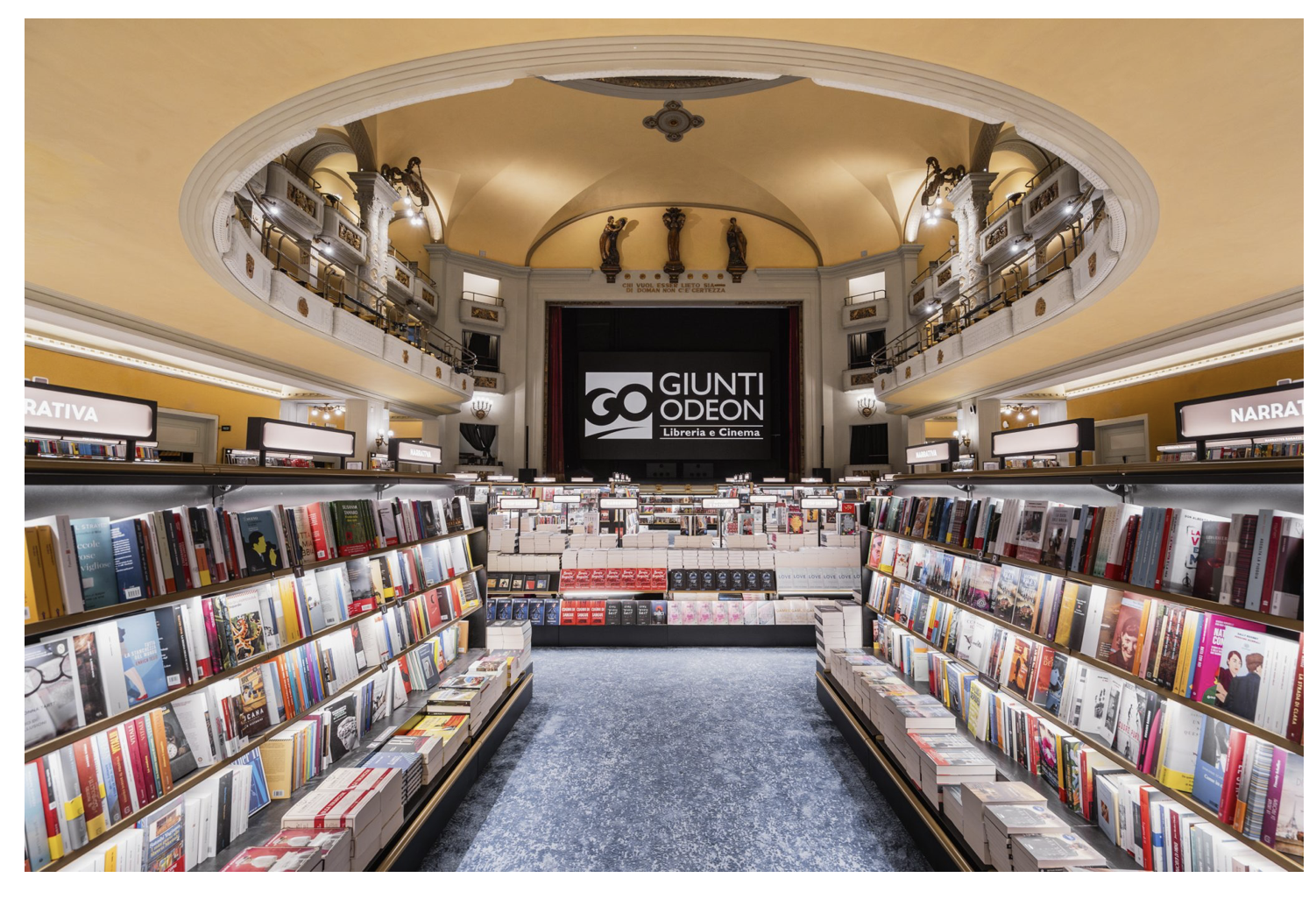
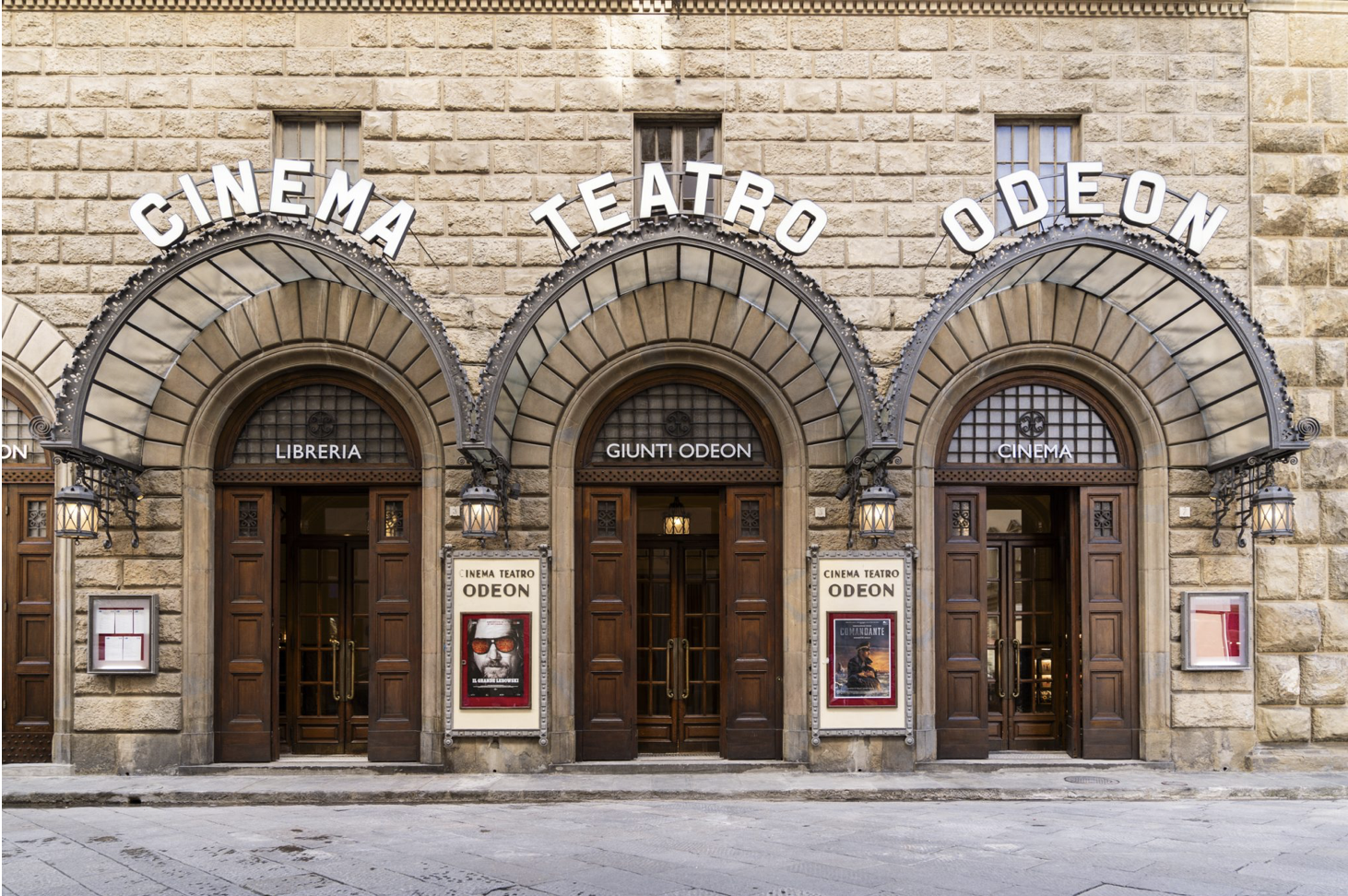
The first bookshop is the Giunti Odeon. Yes, you read that right. It’s a cinema with a built-in bookshop. What an amazing combination of culture from the world of books and film! The Giunti Odeon, or GO remains a cinema, showing films in Italian and English, but it also has a bookshop which is open 7 days week until the end of the film each night. The bookshop contains over 25,000 books, which fill the whole of the ground floor, including the foyer.

The cinema opened in 1922 in Palazzo dello Strozzino. It is one of the most stunning Renaissance palazzos in Florence with an Art Déco interior and sculptures by Antonio Maraini and tapestries by Matilde Festa Piacentini. Cinema Teatro Savoia, as it was known, hosted world-class film premieres, theatre performances and musicals. It was reopened after WWII and renamed Cinema-Teatro Odeon and has hosted Louis Armstrong and Kate Winslet.

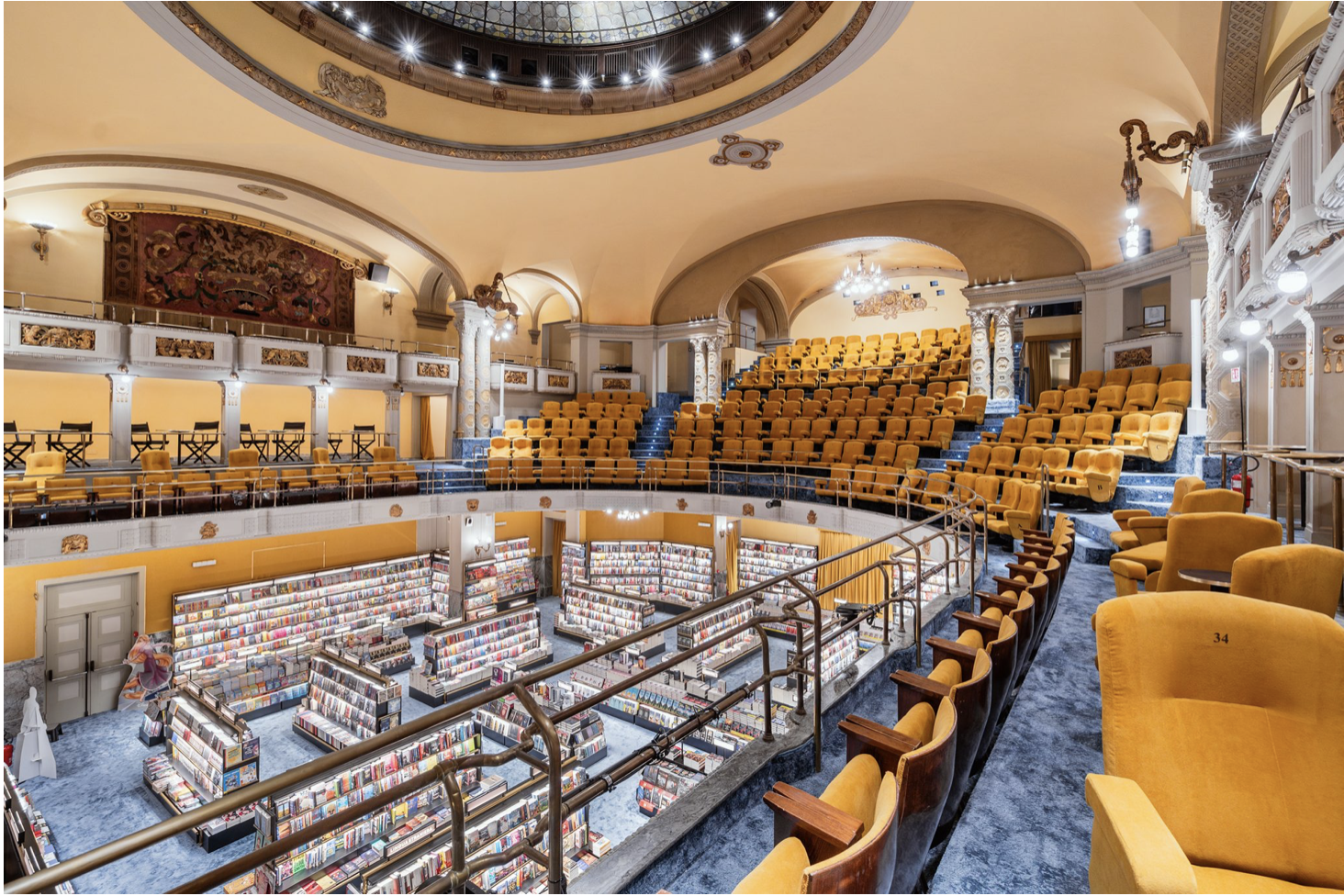
In 2023, the Odeon partnered with publishing house Giunti Editore. It was then renovated and reopened in November 2023. The stalls have been redesigned, with the original detail remaining intact, as required by the city’s fine arts department – fountains, tapestries, ornate columns, terrazzo floors, glass dome, gilded lettering and heavy golden drapes. No less than 200 armchairs have been placed in the mezzanine gallery, where cinema goers remain undistracted by the bookshop below.

OPEN DOOR BOOKSHOP, ROME

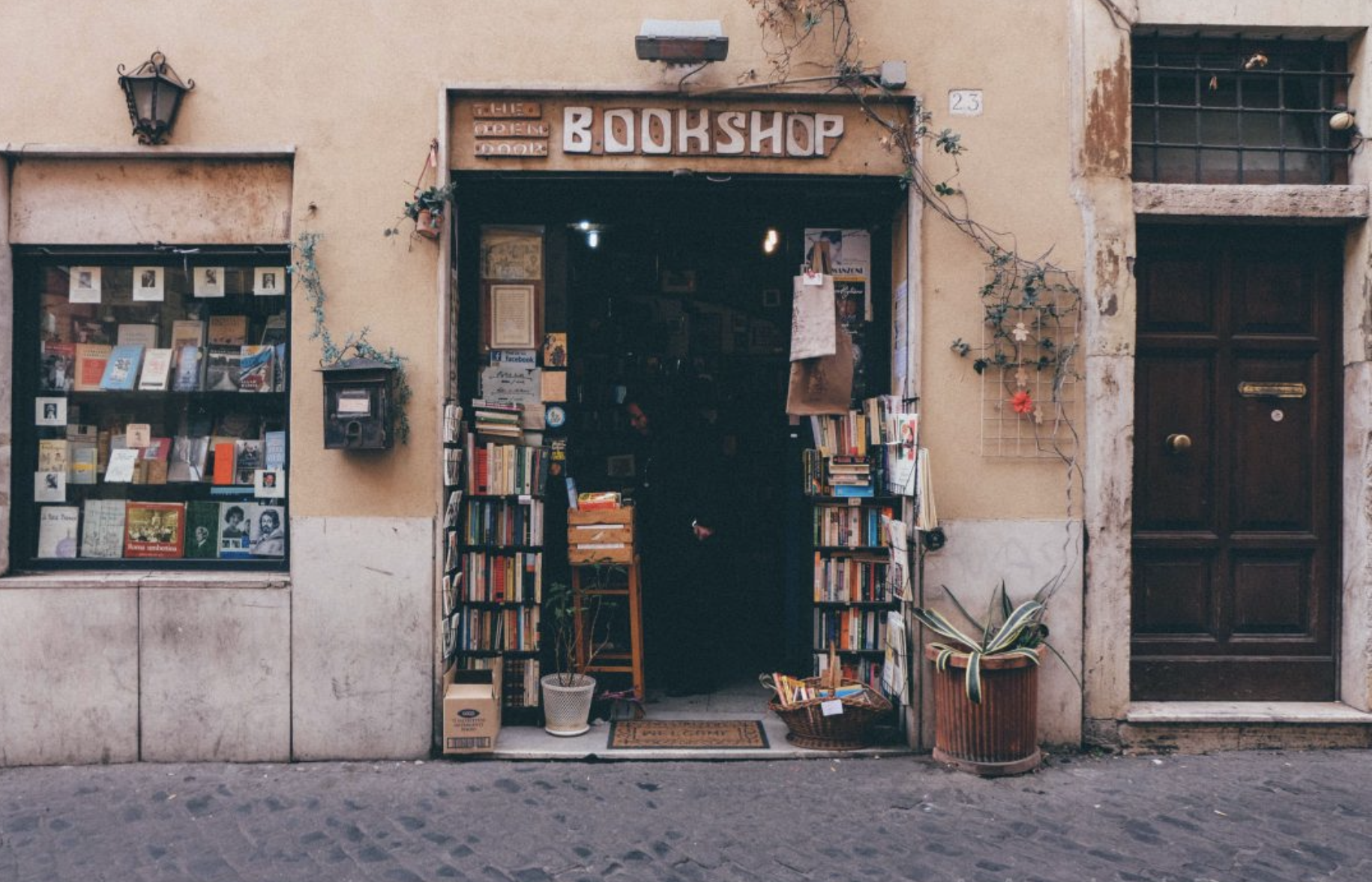
The second gem of a bookshop is in Rome. The Open Door Bookshop sells second-hand books, and has been in Trastevere for more than forty years. Its name is both a wolcome to book lovers and a reflection of an open mind and a curiosity for learning. The bookshop sells “the unusual and even the bizarre.” Finding a book is a “treasure hunt among old, antiquarian and even new books”.

The contents of the bookshop vary on any given day and if you are looking for a specific book, they will try to find a copy! They also take second-hand books that people want to pass on. There is a good selection of books ranging from contemporary and genre to classics and Italian, French and Spanish. The cluttered nature of the bookshelves and the scent of second-hand books are enticing. It’s a literary Aladdin’s cave!

Photo credits: The Florentine, Open Door Bookshop, Amber Paulen.

Book Pile

This morning, I’m dipping into some poetry and short stories from a few of my favourite authors. The advice I was given when I began writing was, read as much has you write. Over the years I’ve come to see the importance of this and the need for balance.

Ian McEwan, in an interview, said that he reads for several hours a day and it’s good to read a range of fiction, especially outside your genre. Although, today I’m focusing on poetry and short fiction. I’ve written quite a bit of both, recently, but I haven’t had time for much reading. I’m currently studying for a Masters in Theology, so it’s a juggling act. I finished ‘Reservoir 13’ by Jon McGregor this week. I need some time before I review it, as I have so many thoughts on it.

Today, I’m looking at these beauties by Claire Keegan, whose book, ‘Small Things Like These,’ was my favourite read of 2022. I then read ‘Foster,’ which was also an intensely beautiful, if a little melancholic, read. I’ve reviewed it on this blog. These are stand alone short stories, The Forester’s Daughter and So Late in the Day. I also want to read Alison Moore’s Eastmouth and Other Stories. I really enjoy her short fiction and her novels. One of my favourite stories for sheer tension and beautiful writing was ‘When the Door Closed, It Was Dark,’ originally published by Nightjar Press and in the collection, Pre-War House and other Stories, but Salt Publishing.

Wendell Berry’s poems are meditations on relationships and belonging, and Daunisha Laméris’ poetry is vibrant and atmospheric. I haven’t started Homesickness by Colin Barrett, but I enjoy his short fiction. His newest book, Wild Houses, will be published by Jonathan Cape in 2024. Now, time to read…..

How Do You Organise Your Bookshelves?

FC Malby

A friend told me yesterday that their books are all arranged in alphabetical order. I smiled and said that mine are roughly arranged by type. I have a section for psychology, travel, theology, biographies and autobiographies (which are mostly political, but I also have one on Miles Davis), crime thrillers, short stories, poetry, literary fiction, commercial fiction, favourite books (mostly by J.M Coetzee, Julian Barnes, Hilary Mantel, Alice Munro, Colm Tóibín, Milan Kundera, Deborah Levy and Alison Moore).

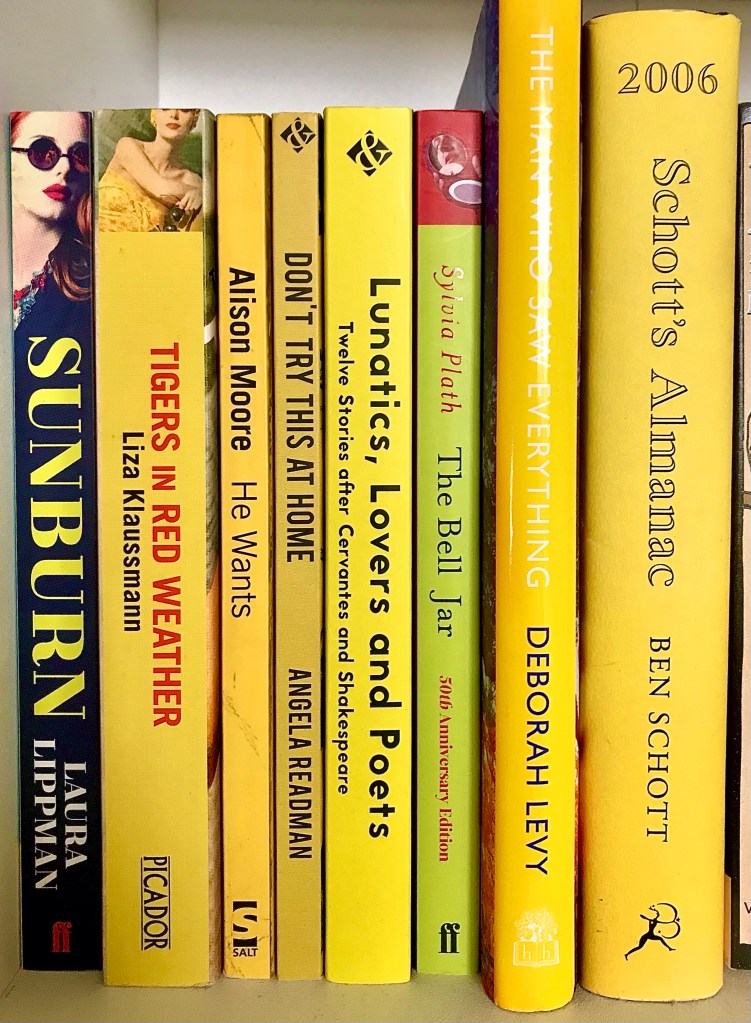
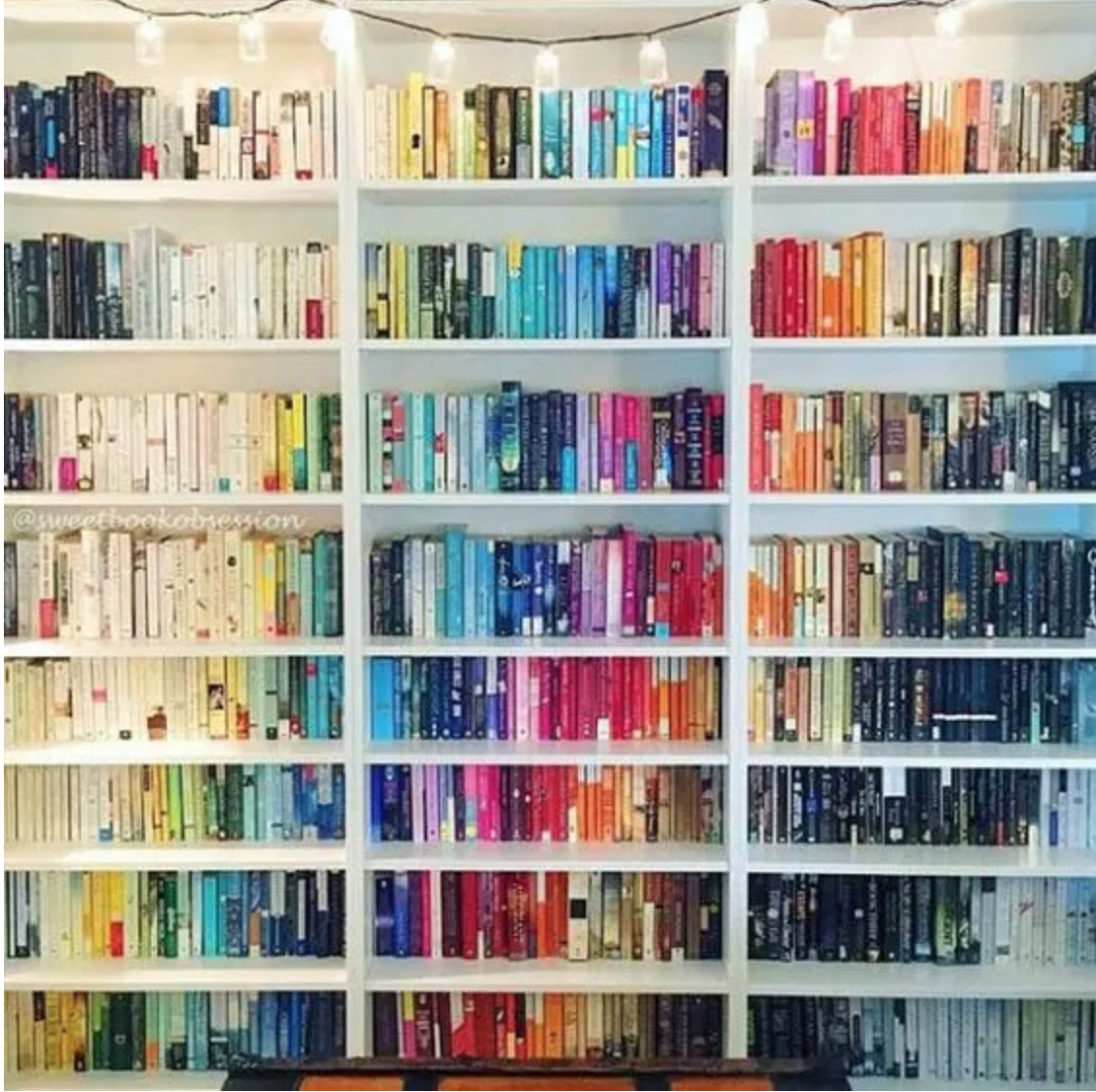
This morning, I noticed that I have a selection of books with yellow covers, although I’m not entirely sure how the lime green snuck in! It’s the only colour I seem to have grouped together, purely because I love yellow. I don’t think I will ever match my books by colour, having seen a few well-known figures (who shall remain nameless) adding the results of this to Instagram. It feels a little too OCD for my liking, by we are all beautifully different.

The Home Edit

How about this cascading cover colour bookshelves look from Book Bub?

Book Bub

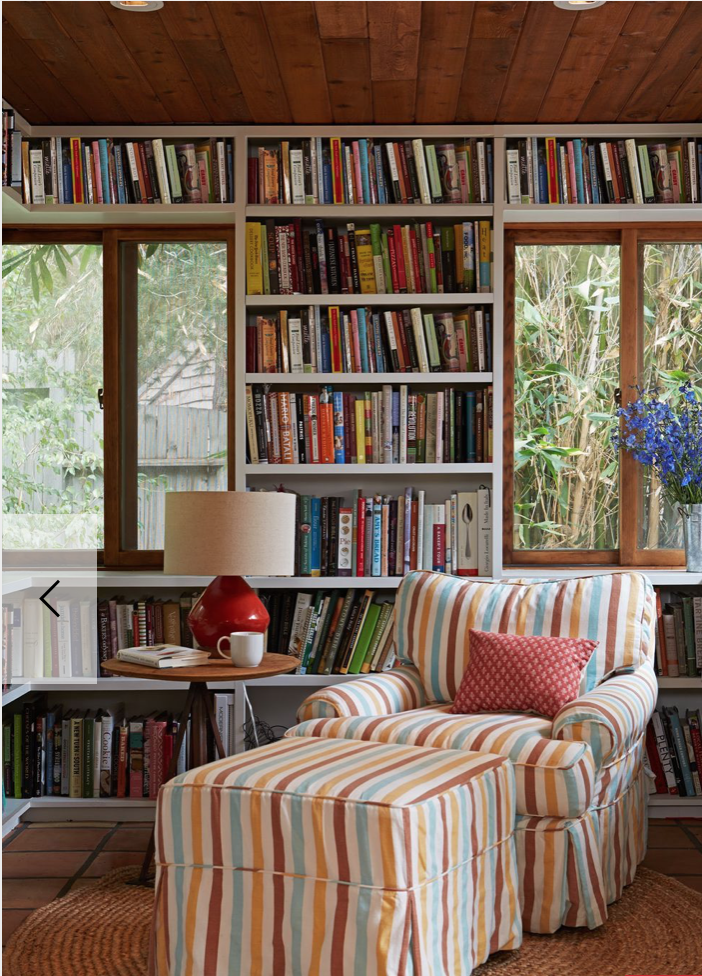
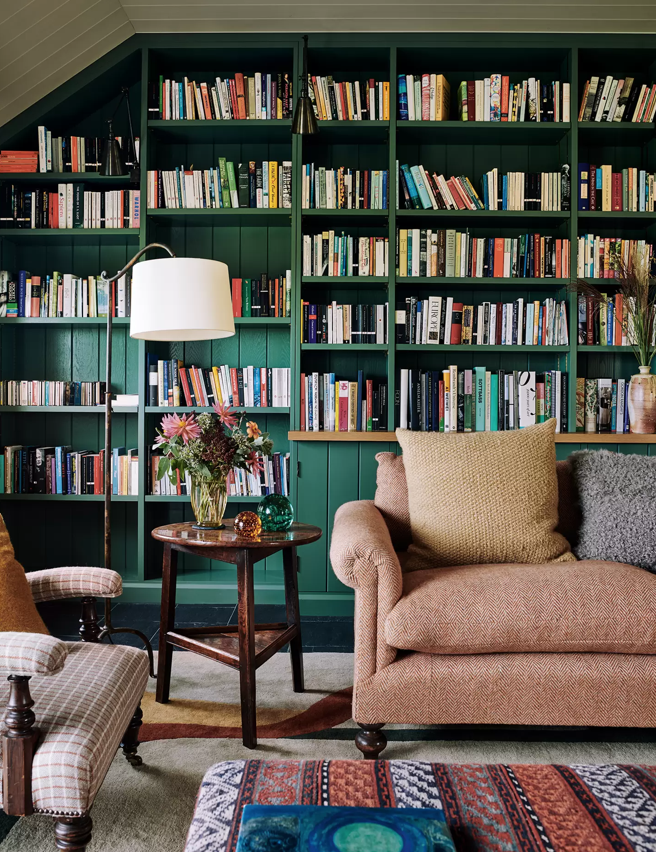
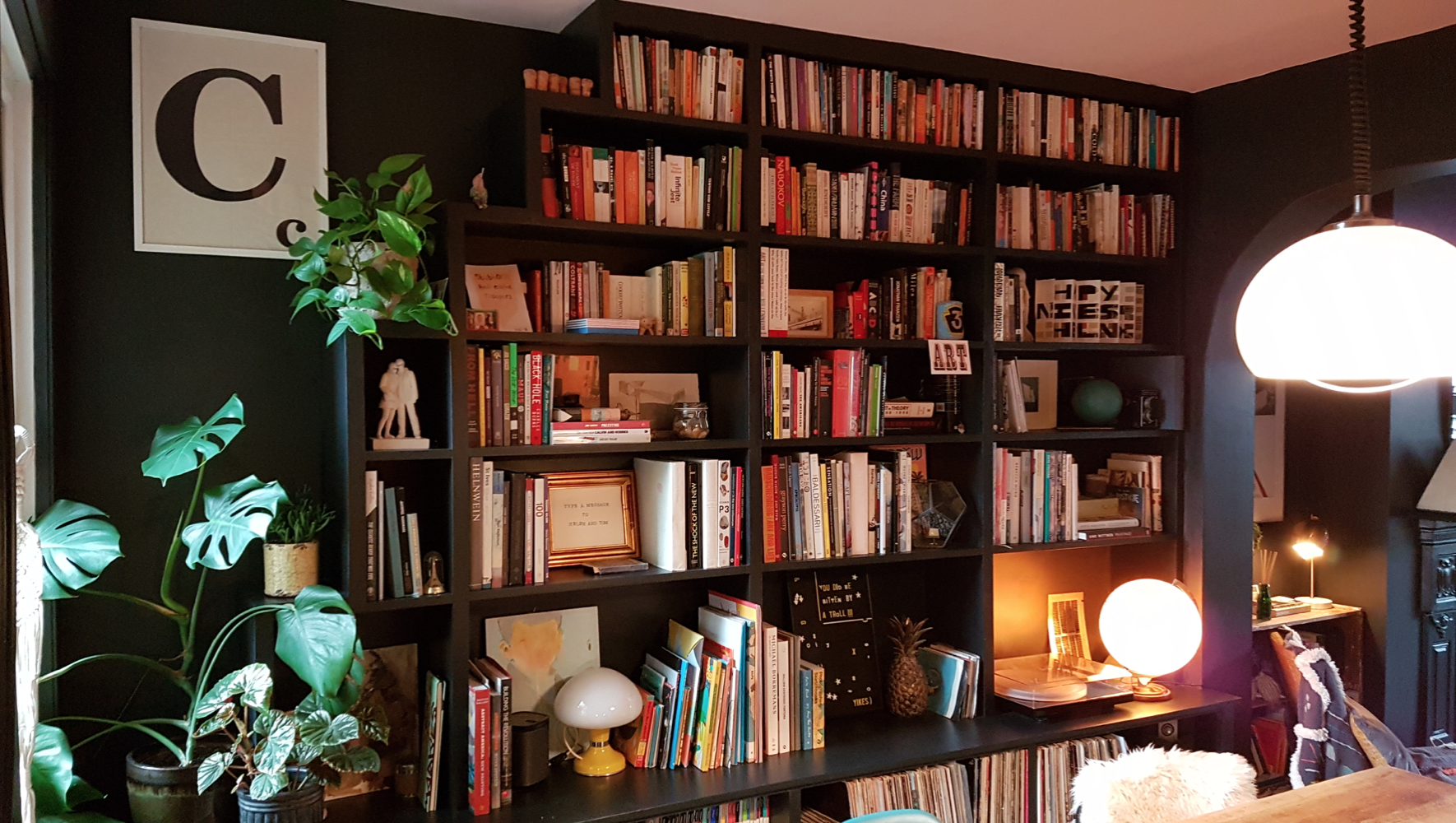
As a writer and a reader, I love books, bookshelves and other people’s bookshelves. If I go to a home and there is a large book collection on the shelves, I like to scan the collection and see what the owner reads. Sometimes I find we like similar authors and there are other occasions where I find something new. Amidst the Covid pandemic over the past 15 months or so, and with life as we knew it transferred to Zoom and Teams meetings, a background of bookshelves never fails to capture my attention. Personally, I like a more mixed approach to bookshelves.

Indie Wire

Douglas Hill

Michael Sinclair

Bespoke Carpentry

How do you arrange your bookshelves? Do you have any favourite bookshelves? Drop a link to a snap in the comments, or tell us how you organise your shelves, and share the book love.

Space to Read and Relax: Bookshop Cafés and Bars Around the World…

What is there more enticing for any book lover than to find a combination of books and coffee (or cocktails)? I often see images of bookshop cafés,  and I idly begin to dream about finding a corner (and some time) to while away a few hours reading with a mug, or a glass of something, in the beautiful surrounds of a bookshop or an atmospheric bar. Is it just me? I suspect not! Here are some of the places, both sumptuous and simple, to which I would happily transport myself, in the name of reading and space to relax.
b2_16_02

download (18)

1. B2 Boutique Hotel, Zurich

Once the site of the old Hürlimann Brewery, this is now a hotel, with the industrial character of the buildings carefully preserved to illustrate the history of Zurich’s legendary brewing era. The B2 Boutique Hotel has a sumptuous library lounge, which boasts over 33,000 books, is an inviting place in which to lose yourself in a good book. With its tall arched windows and eleven-metre high ceiling, the library is reminiscent of a cathedral. The books were once housed in an antiquarian bookshop and can also be borrowed by guests during their stay in the hotel. The library is a space where you can work, talk business or relax and unwind. I have had my eye on the hotel since I first cast eyes on a photograph of the library some months ago. I’m now even more keen to go at some point, having just seen the incredible Thermal Spa, which is connected to the hotel. Spread over 3,300 square metres, the spa is housed in the former barrel filling area of the Hürlimann Brewery. But I digress! Back to books….


05B

download (19)

2. The Bookworm, Beijing, China. 

The Bookworm is a library and a bookshop with a large collection of books. 16,112 titles on their library shelves at the last count! There is a gourmet European café on the premises. Thousands of English-language books fill the shelves and can be borrowed for a fee or read inside. They also sell books and magazines. A range of interesting talks and spontaneous musical evenings make this place a hive of activity. It’s easy to see why The Bookworm is such a hit among Beijingers. The spacious, interconnecting rooms with floor-to-ceiling books on every wall are light and airy in summer, yet cosy and snug in winter. And the roof terrace is perfect for yard-arm cocktails.

Their coffee is always freshly ground, they say; their chocolate cake voluptuous, and staff delightful! Anyone interested in testing this out?


screen shot 2014-02-04 at 5.20.23 pm

images (20)

3. Cafebreria El Pendulo, Mexico City, Mexico. 

Books line the walls of Mexico City’s Cafebrería El Péndulo, but visitors can order breakfast, lunch and dinner from the café  and drinks from the bar. There is also a cocktail happy hour! Read a book while enjoying live music, poetry readings and stand up comedy.

images (22)

images (21)

4. Pickwicks Cafe Bookshop, Vienna

This small book café named after a Dickens’ novel, serves Irish beer and has a library and rents out videos. They sell burgers, bagels, salads and fish and chips. There is free wi-fi and a big screen. I have yet to visit!

images (23)
images (24)
images (27)
5. El Ateneo in Buenos Aires, Argentina
This bookstore opened as a theatre called The Grand Splendid in 1919. It was first location in the world to show silent movies. Now, book lovers can enjoy a coffee in the café on the old stage. It still has the original balconies, painted ceiling, ornate carvings and the crimson stage curtains. The Guardian named El Ateneo second in its 2008 list of the World’s Ten Best Bookshops.

The theatre had a seating capacity of 1,050, and staged a variety of performances, including tango artists. In the late twenties the theatre was converted into a cinema, and in 1929 showed the first sound films presented in Argentina. Chairs are provided throughout the building and the theatre boxes are still intact.

The ornate former theatre was leased by Grupo Ilhsa in February 2000. The building was then renovated and converted into a book and music shop, with the cinema seating removed and book shelves installed. El Ateneo Grand Splendid became the group’s flagship store, and in 2007 sold over 700,000 books; over a million people walk through its doors annually.

images (33)


images (31)


images (32)

6) Scarthin, Peak District, England.

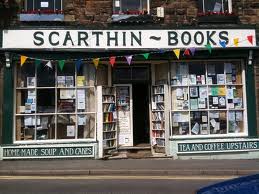
Some might prefer the altogether more earthy beauty of a shop like Scarthin Books in the Peak District. Scarthin’s has been selling new and second-hand books since the mid-1970s. They boast 40,000+ new books, 50,000+ second-hand books, 5,000+ rare and antiquarian, music, a café AND publishing! It is a bookshop so beloved, that it advertises local guest and farmhouses on its websites where devotees can stay overnight.

Which Books Would You Take With You if the House Burnt Down?

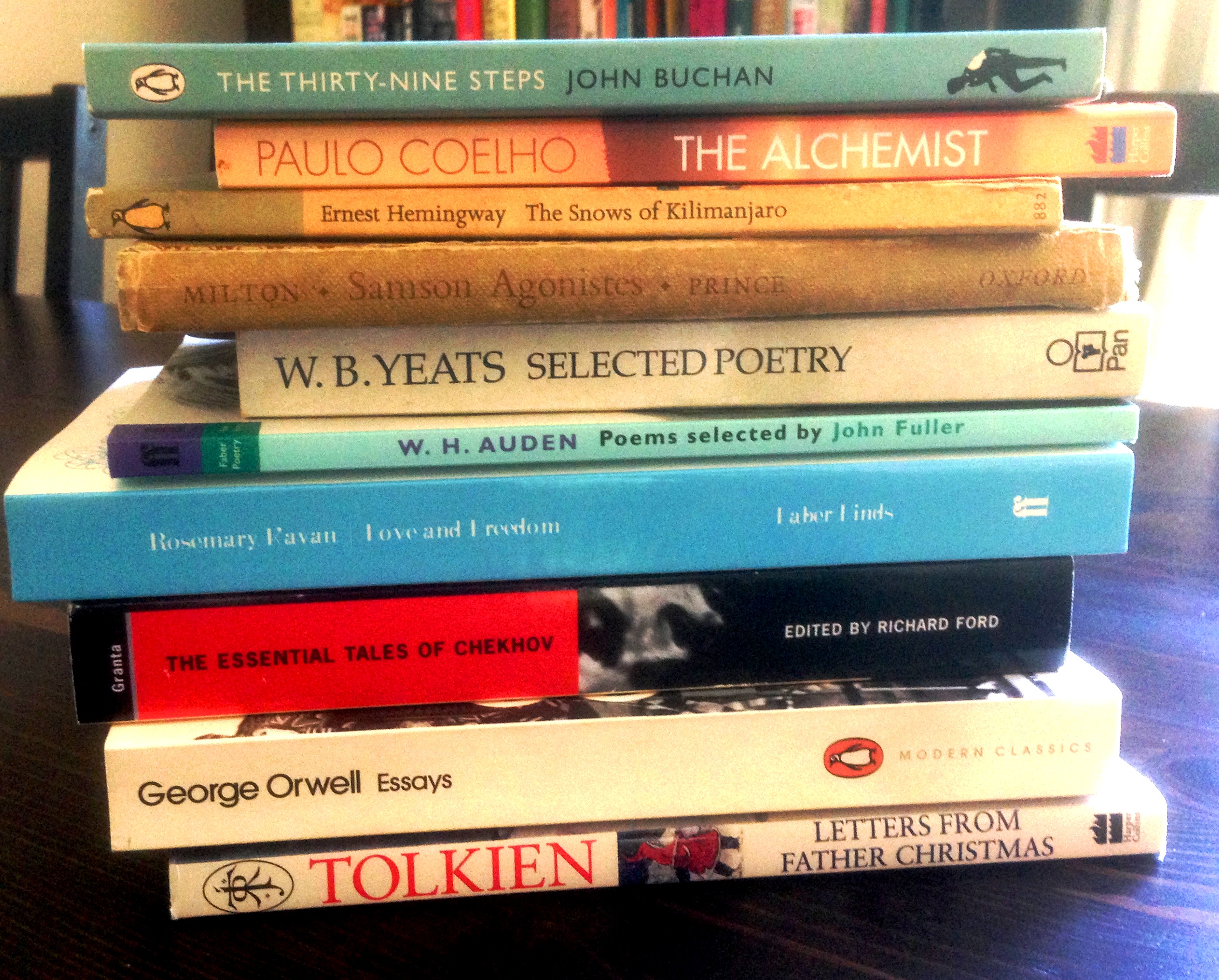
A dramatic title, isn’t it? Inspired by a wonderful post I came across this morning from Maria Popova’s Brainpickings blog, entitled The Burning House: What People Would Take if the House Was on Fire, it wasn’t so much the eye-catching title which caught my attention so much as the photographs: images of people’s treasured possessions, from camera lenses and photographs to pets, cigars and underwear! One six year old boy added a Lego helicopter, a great choice. What I found intriguing was the inclusion of many books in people’s in people’s collections. A literature teacher from Germany had included her Great Aunt’s violin, along with two letters, a journal, a New American Standard Bible, Rilke’s Book of Hours and T.S. Elliot’s Collected Poems. Popova’s own collection includes a 1935 edition of Ulysses with sketches by Henri Matisse, and a 1993 edition of Gertrude Stein’s 1938 children’s book, The World Is Round. It made me wonder which books I would take with me if I had to leave in a hurry. In an age of eBooks many of us still treasure rare or familiar paperbacks and hardbacks, books with inscriptions or notes, books with illustrations and photographs. I have compiled a collection of books:
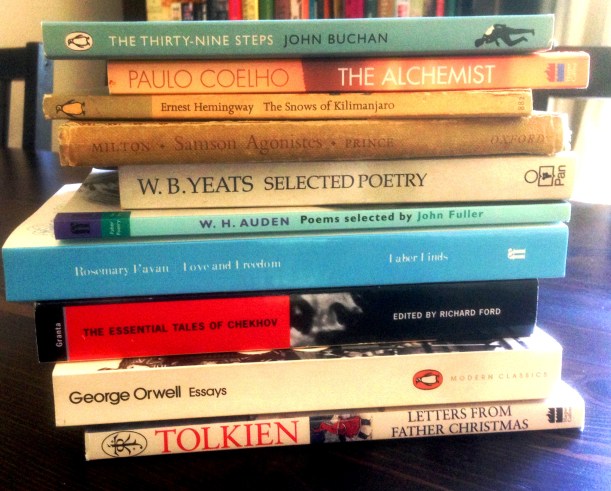
photo 5

It’s quite a mix of authors, fiction and non-fiction. Each book has its own reason for sitting on the pile, each book its own place in memory.

The Thirty-Nine Steps was the first book I couldn’t put down. I had finally found a book which kept me up at night until I had read the last page. Originally published in 1915, this spy thriller is set in the wild mores of Scottish, a place which holds great memories and partly the reason for the story’s resonance. I’m sure you’re familiar with the plot: On the eve of World War I we meet Richard Hannay, bored with his London life until he finds a body in his flat. Before long, Hannay finds himself in possession of a little black book that holds the key to the conspiracy, and on the run from the police. The books has inspired many films and plays since, including Alfred Hitchcock’s classic adaptation. Read it!

The Alchemist holds its place in my mind for the very reason that my husband read it to me on our honeymoon. This is not a regular occurrence but it is a memory I treasure. Set in the exotic locations of Spain and the Egyptian desert, Coelho tells the magical story of Santiago, a shepherd boy who dreams of travelling the world to seek treasure. The otherworldliness of this story, with its magical realism and folklore, inspires you to dream and to think beyond the boundaries we create in our lives.

“The simple things are also the most extraordinary things, and only the wise can see them.” 

The Snows of Kilimanjaro and Other Stories was given to me by a dear friend with an inscription in the front. It is a 1964 reprint. Hemmingway’s short stories are raw and sharply observed.  I think that’s all I need to say.

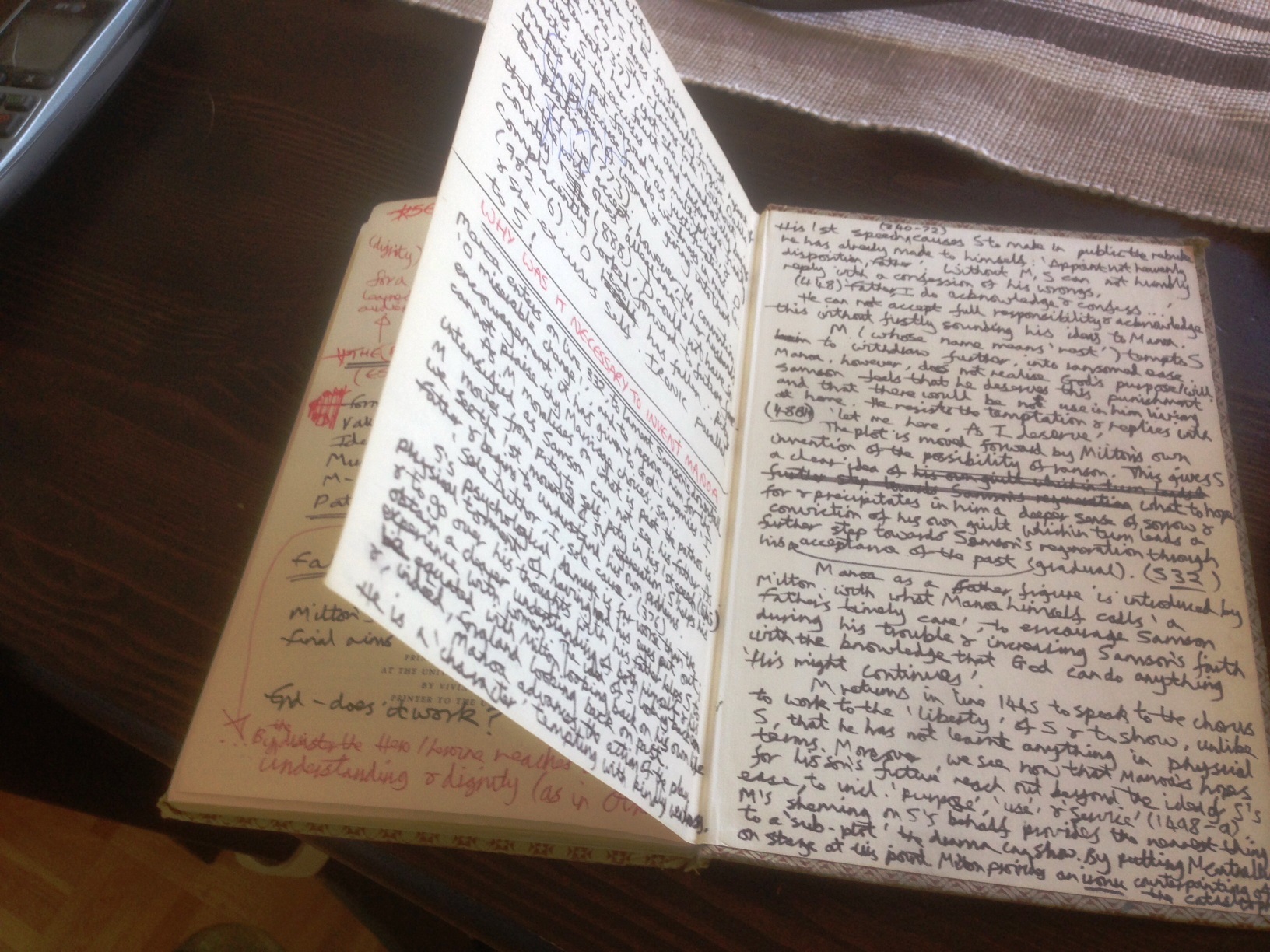
Samson Agonistes might seem an unlikely choice, but this battered version has been on my bookshelf since my schooldays. Milton was taught with great enthusiasm by my English teacher, and at a point where I began to understand the many layers within a text. My copy is full of notes in a variety of colours with underlining and asterisks. I will hold on to this one.
photo 1

W.B. Yeats Selected Poetry forms a part of my long history of collecting poetry. I have been fascinated by poetry since childhood, and Yeats is a writer whose work I enjoy because it is mystical, melancholic and full of questioning. The first line of To A Young Beauty is a great example of his style:

“Dear fellow-artist, why so free

With every sort of company,

With every Jack and Jill?”

W.H Auden Poems selected by John Fuller is here for the same reason, although he is possibly my favourite poet. Most notable for Funeral Blues, beginning with Stop the clocks, his lesser known works are just as lyrical and beautifully crafted. I really enjoy the wit and irony which runs through much of his writing. Epitaph on a Tyrant is scathing and applicable to any dictator you choose to name.

“Perfection, of a kind, was what he was after,

And the poetry he invented was easy to understand.”

Love and Freedom is a book I have mentioned in a previous post, so I will just say that I am so glad it is back in print. A rare gem that was originally used for research and has become one to keep. This memoir set in post-war Prague is electric; a beautiful, honest account of a life lived under communism.

The Essential Tales of Chekhov was also a gift and has an inscription in the front. I am a big fan of Chekhov’s stories. They need no explanation but this collection is really good. Edited by Richard Ford, is comes with a lengthy introduction on Why We Like Chekhov.

George Orwell Essays has been added to a list which is reasonably filled with non-fiction as well as fiction. I probably shouldn’t say this, but I almost prefer his essays to his famed 1984 and Animal Farm, to hear his unfiltered thoughts, than through the lenses of dystopia or allegory. I haven’t yet read his other fiction novels, so I should reserve judgement. His essay, Why I Write, might appeal to writers. He has also written on Kipling, Yeats, Tolstoy and Wodehouse, which I found interesting. He has bravely covered many political topics, although I think he would rather call it honesty.

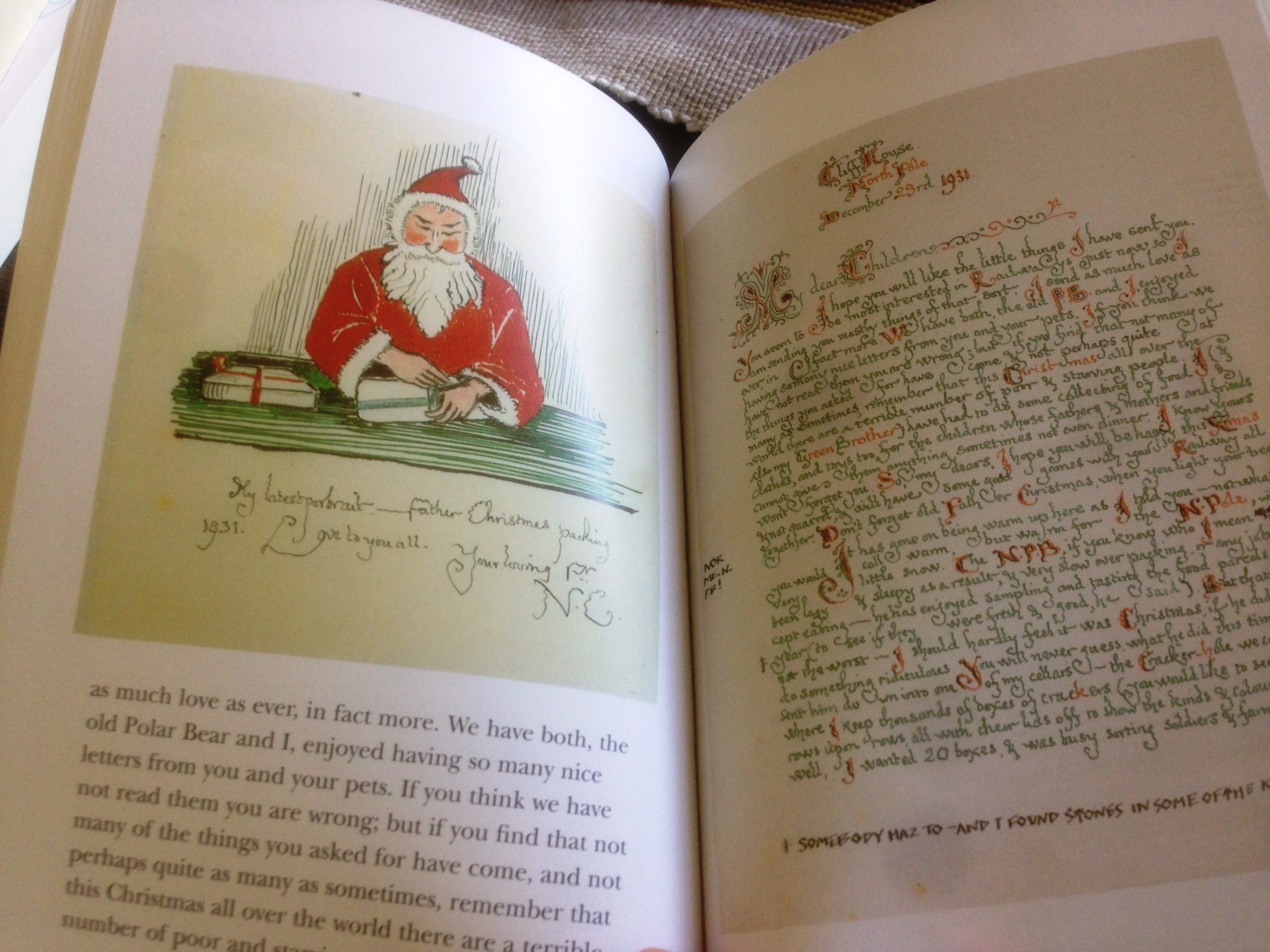
Letters From Father Christmas is a wonderful find. I discovered it whilst searching for Christmas presents last year. It is a collection of letters written and illustrated by J. R. R. Tolkien between 1920 and 1942 for his children. They were released posthumously and received a warm response from critics. It has been suggested that elements of the stories inspired parts of Tolkien’s Lord of the Rings. The stories include descriptions of the massive fireworks that create the northern lights and the illustrations are inspirational. 
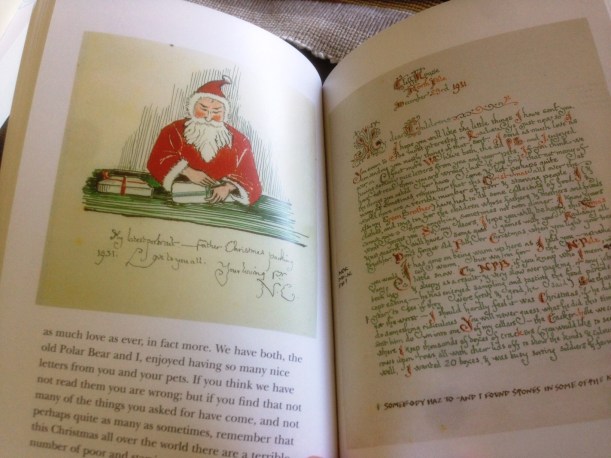
photo 2