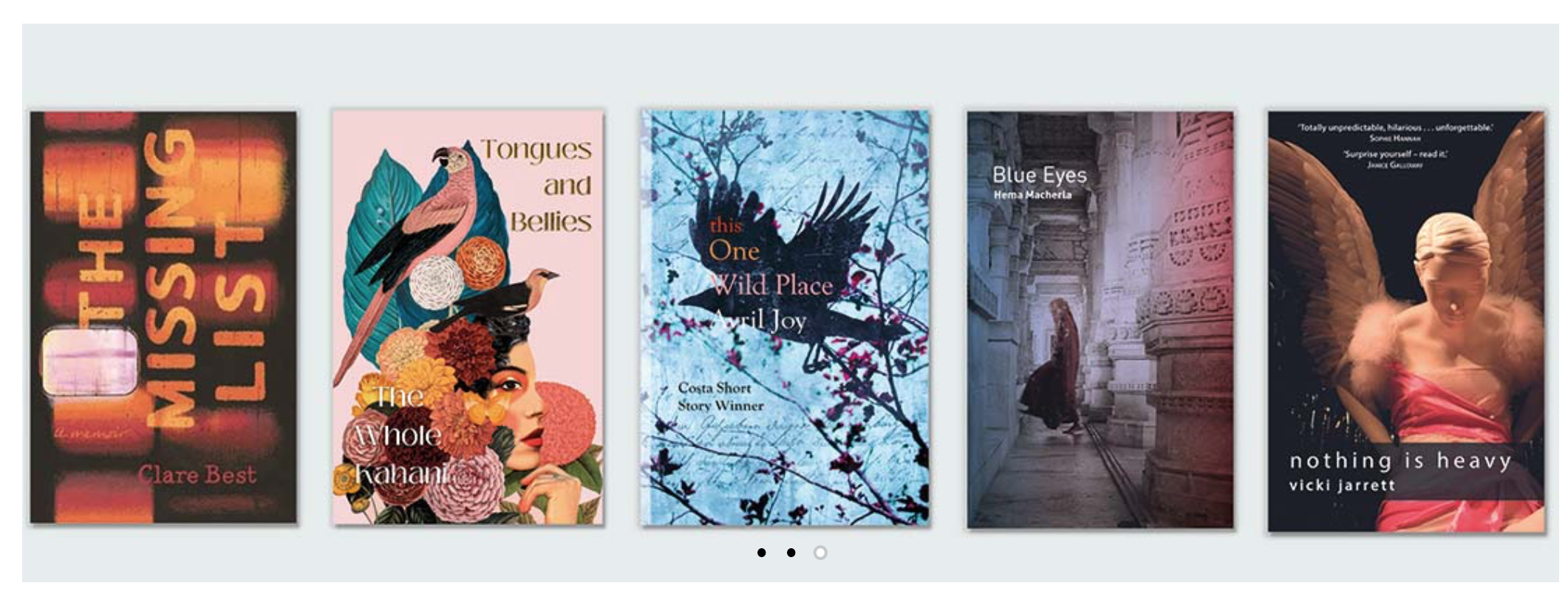
I’m thrilled to be able to share the news that I’ve been signed by Linen Press, who I really respect and admire. We are looking forward to releasing my second novel, a psychological thriller about the art underworld, in early 2023.
“Linen Press is a small, independent publisher run by women, for women. We are now the only indie women’s press in the UK.
Our bar of exceptional writing is raised with each new publication and I’m fiercely proud of our talented authors.
Our policy is to encourage and promote women writers and to give voice to a wide range of perspectives and themes that are relevant to women. We display and rejoice in the differences in female creative voices.
We publish books that are diverse, challenging, and surprising. The collective background of our writers is a multi-coloured patchwork of cultures, countries, ages and writing styles.”
Established 2005 • Finalist 2015 Women In Publishing Pandora award • Shortlisted 2019 Most Innovative Publisher Saboteur Awards.
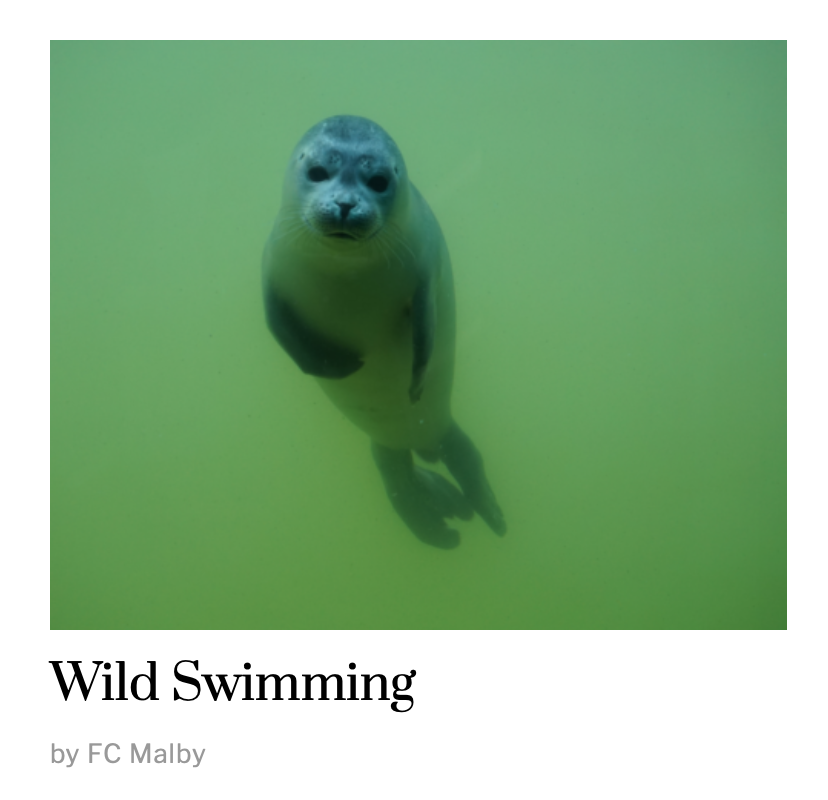
Sundown rippled across the waves as Laurie slipped into the water; the cold, slapping against her thighs as she edged further out to sea, leaving the laughter of children behind, their form, a string of Lowry dots strewn across a hot shoreline. Her muscles tightened as more of her flesh was touched by the cold of the ocean, tensed as blood rushed away and up to her core, where it was warmer, less hostile.
As her shoulders slid under, until her head was fully submerged and her flesh engulfed, silence was the thing she relished most. If anything happened on the shore, she would not hear, her ears only taking in echos of gentle ocean currents and of boat engines far out in the distance; here, in the water, it was cold and quiet. The temperature drop focused her mind on the movement of her body, as she kicked and swung each arm out to sea, towards the sun as it began to hide behind the line of the horizon. She could only see the light under the water, the colour of the sea removing the orange glow of the skyline, the way a childhood storybook removed an image with a single sheet of coloured acetate, wiping it out completely and showing you a different picture through a different coloured lens. Above and below the water line were two different scenes, the image below the water, darker, mysterious, expansive. She found the vastness of the ocean liberating, freeing her mind. Laurie had seen the Ice Man, Wim Hof, explaining the Ayurvedic effects of cold water on the immune system, as well as the mind, hormones, blood flow, skin and hair. Her hair floated freely in wet strands, her skin felt the tingle of the North Sea salt water, cleansing her flesh and renewing her mind. Friends talked about wild swimming, but it had not made sense, not until she had felt the cold on her own flesh and submerged her body into the silence of the sea. It had become addictive, a way of numbing the thoughts that shouted at her as the day drew to a close, clamouring for her attention. As her body temperature dropped, so did life’s pressures. What had begun as a sponsored open water swim, had now become part of her daily ritual, a way of letting her thoughts slip into the ocean, carried off to some far flung shore, where no one knew her name…
This is a brief post to share the exciting, and hot off the press, news that my second novel has just been picked up by a fantastic publisher, who I admire and respect. I am absolutely thrilled and look forward to sharing more details with you very soon! Watch this space…
I met an aspiring write yesterday, who asked lots of questions about the craft of writing, and wondered whether beginning a novel was a viable option after quitting a high-flying city job. I remember asking similar questions, back in 2007, when I moved abroad and gave up a teaching job that I loved. Moving from London to Vienna stirred up all sorts of ideas in my mind and, as I said to the person yesterday, there is something about moving to a different place, and living in a different culture, that somehow frees your mind and inspires lots of creative ideas. There are lots of questions from the writing community on Twitter today and, if you follow the hashtag #WritingCommunity, you’ll see many of these. There are so many questions and so many good books to you to get you started, and to help hone your craft.
My first piece of advice to anyone wanting to begin writing is to read widely, both within and outside your genre, especially outside your genre – it’s easy to just focus on what you want to write – and read as much as you write, spend as much time reading as you do writing.
Read as many books on the craft of writing that you can get your hands on. Find your local library, as there are lots of useful books that you can borrow. You don’t need to buy them all, or do a book swap with another writer. I’ll add some of the books that I’ve found helpful at the end of the post. It’s by no means an exhaustive list.
Sign up for writing courses. The Avon Foundation have lots of wonderful writing courses and many authors offer course, as well. Learn as much as you can.
Don’t be afraid to experiment. You may be fiction writer – a poet, a novelist or a short story writer – or you might prefer creative non-fiction writing (memoir, autobiography/biography, essays, literary journalism, journaling, or topics like food or travel writing, self-development, art or history). Within fiction there are so many genres; read as widely as you can.
Don’t give up. You will have hard days were you want to quit. It will get hard. If writing was easy, there would be many more authors with published work. Even the most gifted writers hit a wall at some point. Push through it.
Set yourself targets, if this works for you. When I began, I sat down to write from 9am – 6pm (with breaks) and gave myself 3 months to get around 35,000 down on paper. After this length of time, I would assess whether or not I had enough to continue and a good enough story to write a whole novel. It worked, I kept going, and I finally finished my first book.
Find a writing partner or a writing group. If you can’t, or it doesn’t suit you, tap into the writing community online. Twitter is a good place to start and will be really helpful, in terms of keeping up to speed with the industry. It’s a great way of networking, finding support, and following publishing trends. I have been contacted by authors, readers, editors, agents and publishers this way. It’s invaluable.
These are some of the books that have helped me along the way, although, Meander, Spiral, Explode is a new acquisition, so I’ll write a review when I’ve read it. Which books have helped you? Can you recommend any others?
We spent yesterday exploring one of the oldest timber-framed buildings in Suffolk. It is one of the best preserved of the cloth towns in the county, and was built in the 14th century. Little Hall, in Lavenham, belonged to clothiers and later, scholars and schoolmaters.
I was fairly captivated by the books in the library, the scent of lignin, the choice and range of books, and a beautiful writing desk with a window view. I think the pictures speak for themselves…



 F C MALBY
You must be logged in to post a comment.