Using Photographs as Writing Prompts for Short Fiction

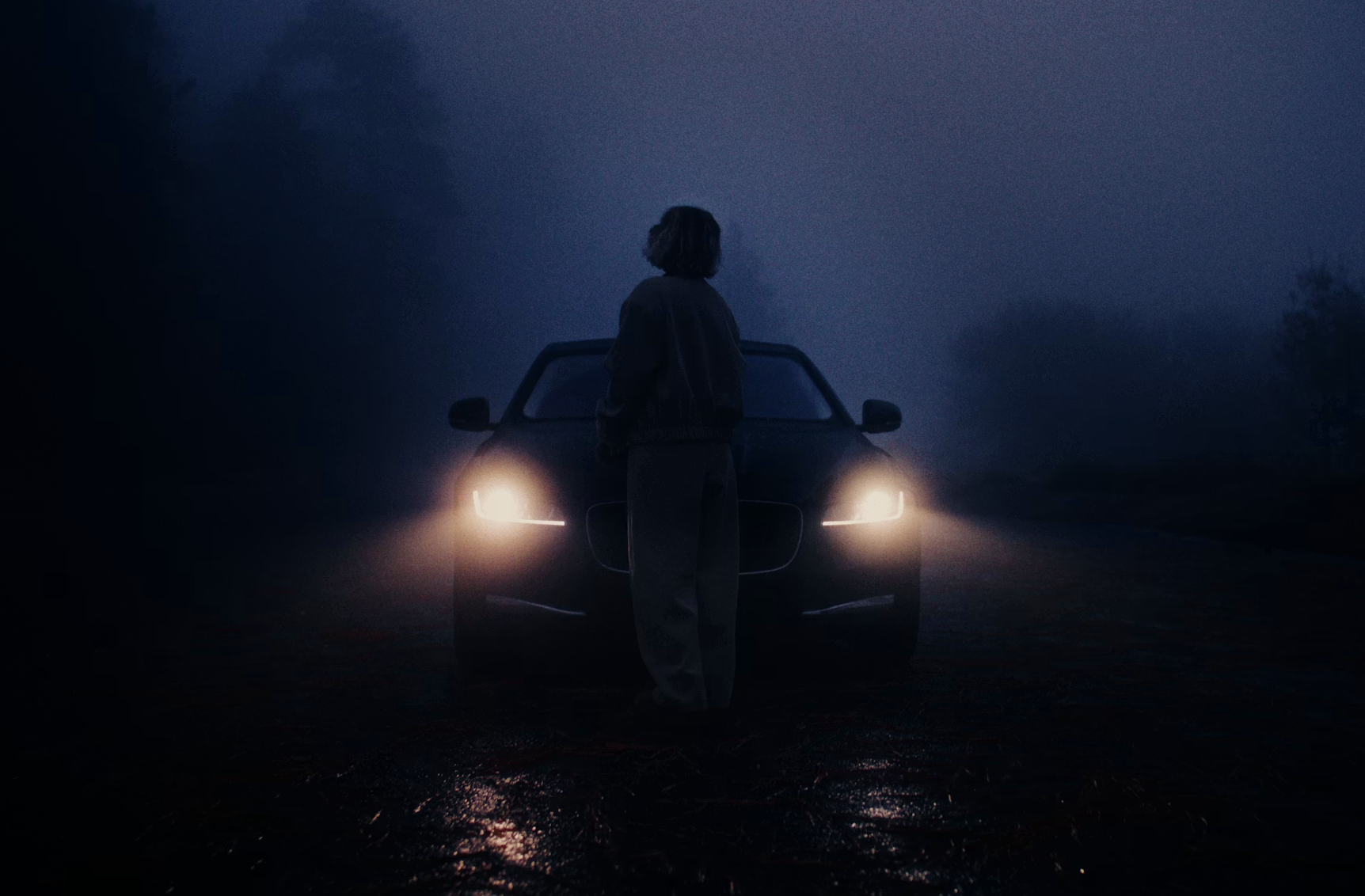
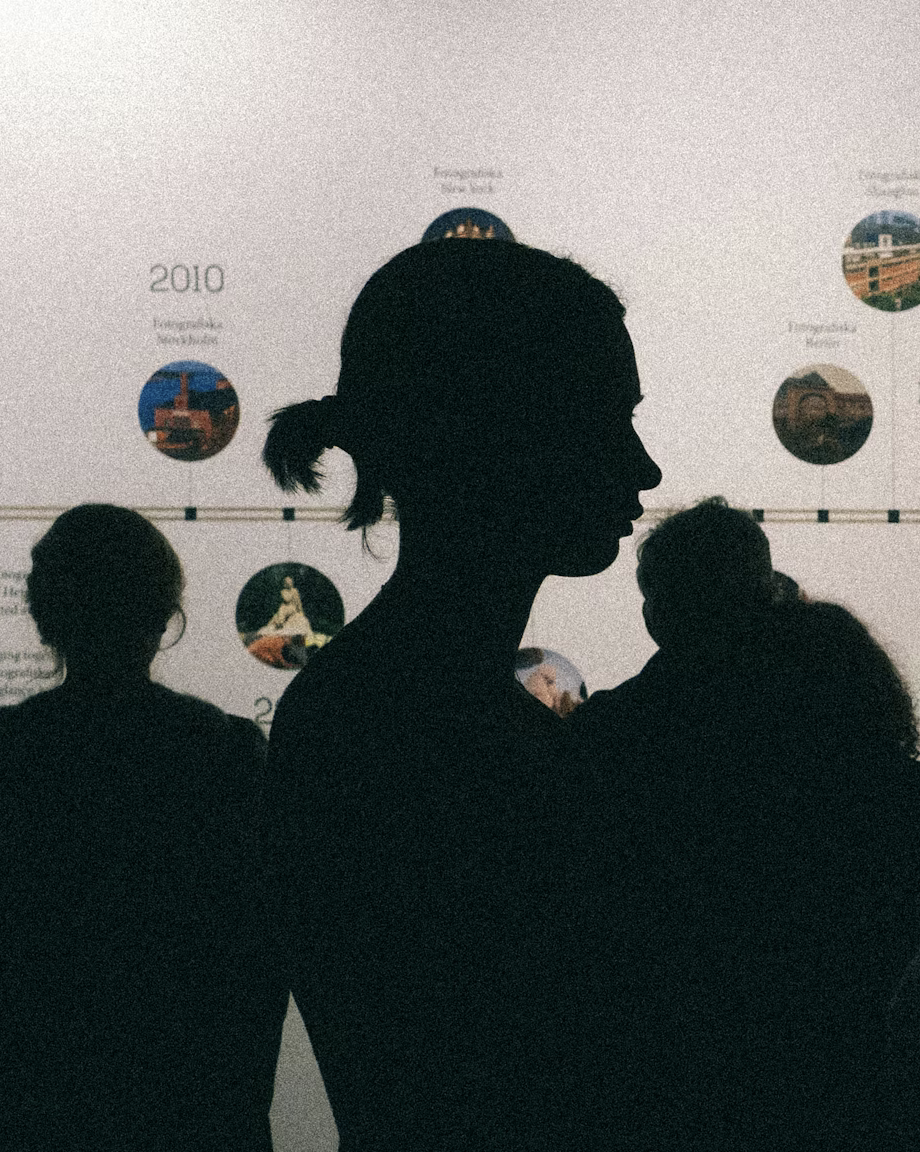
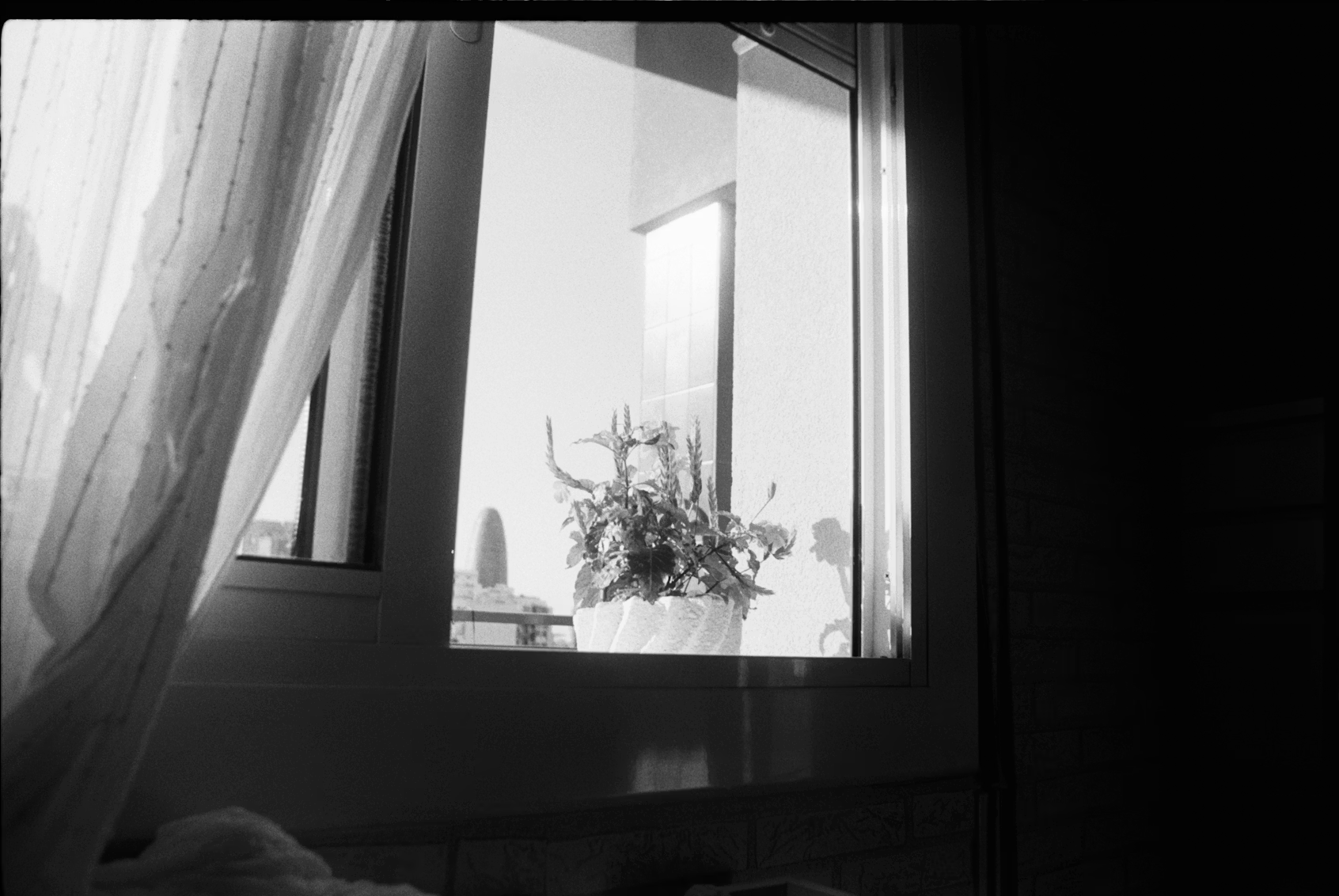
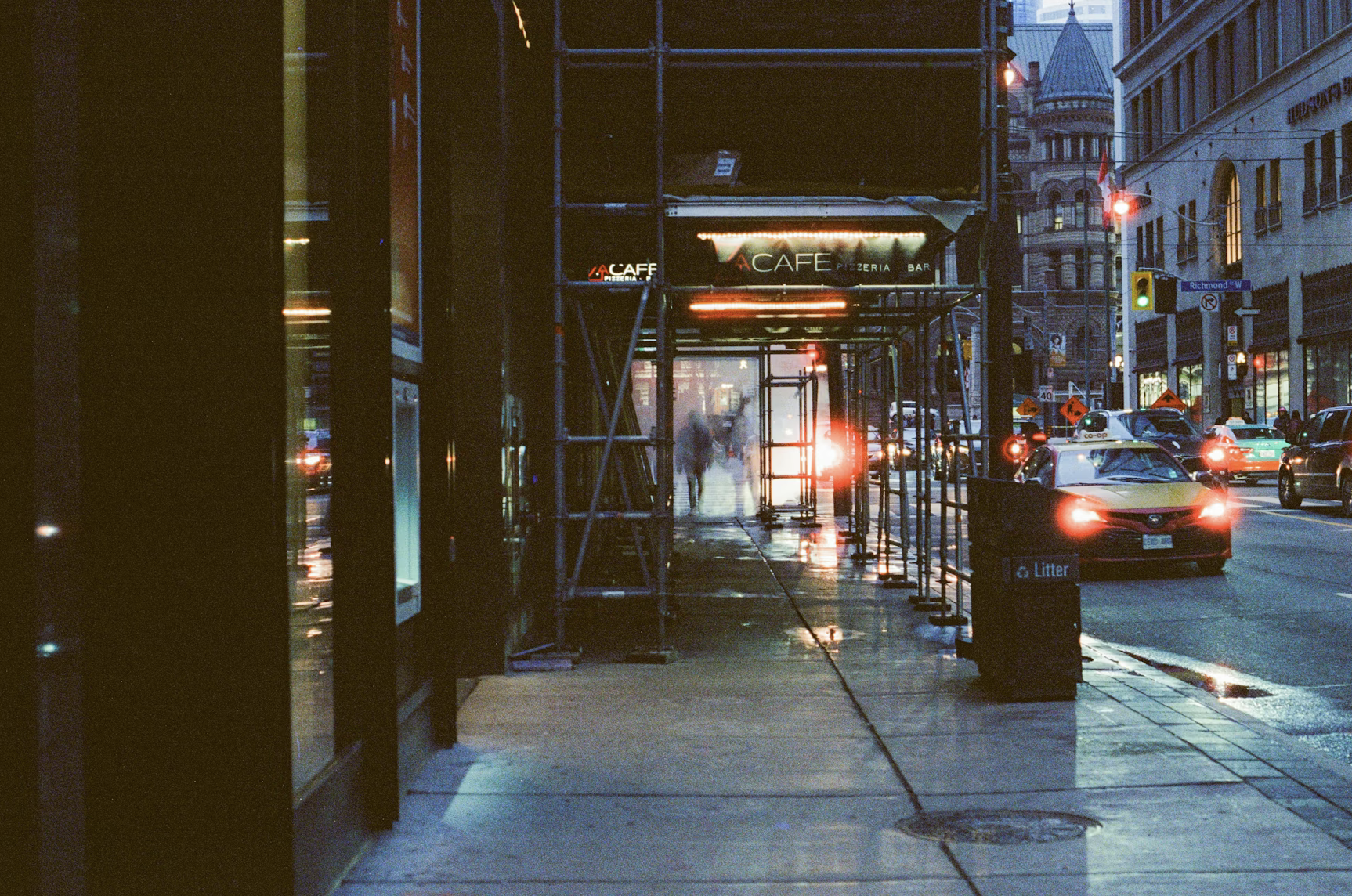
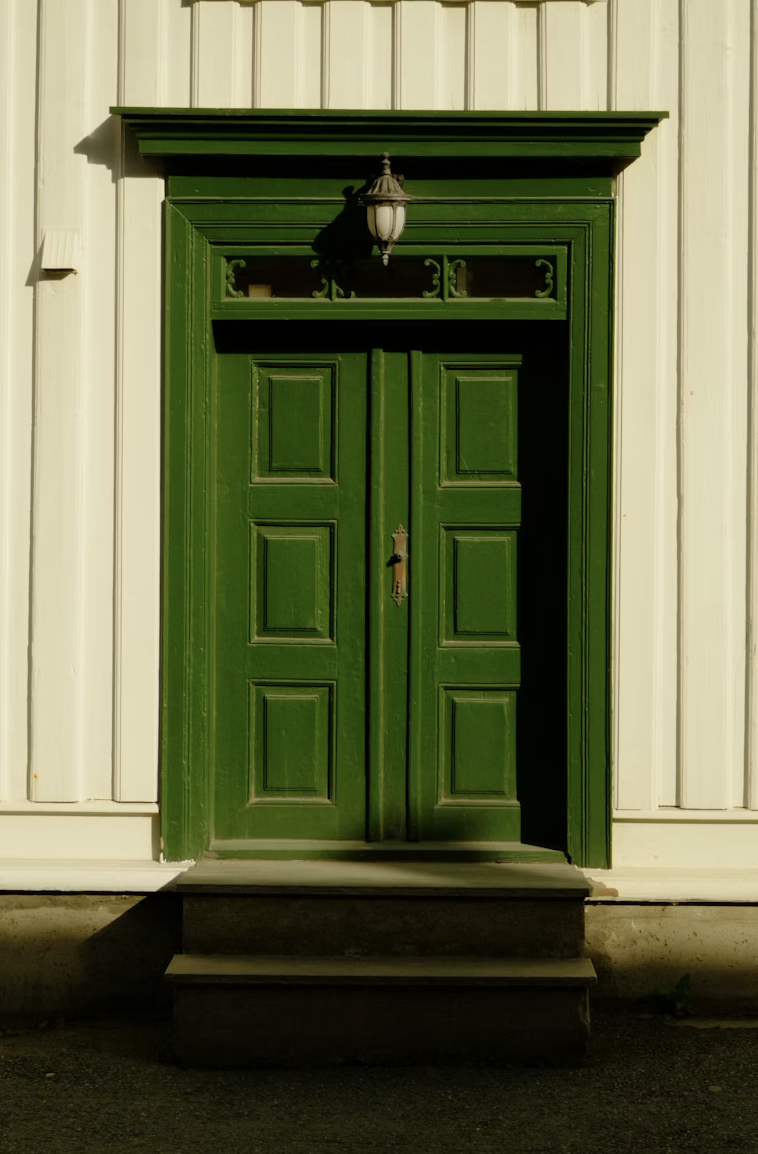
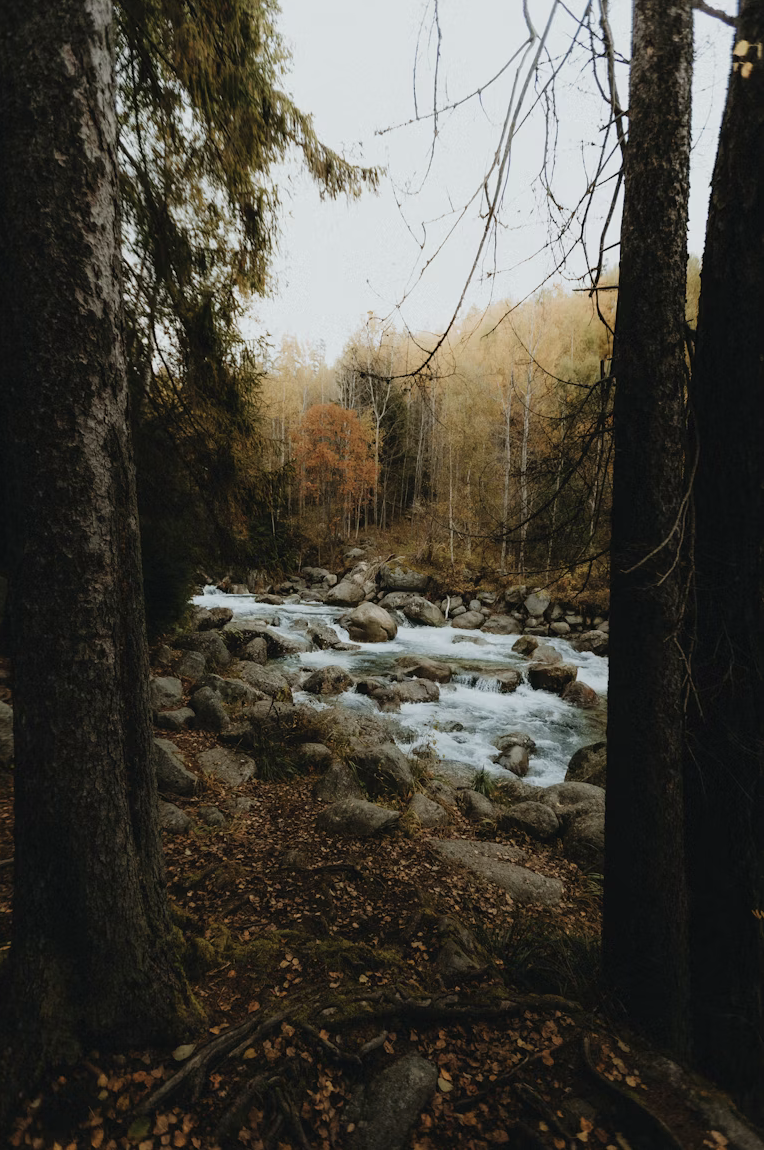
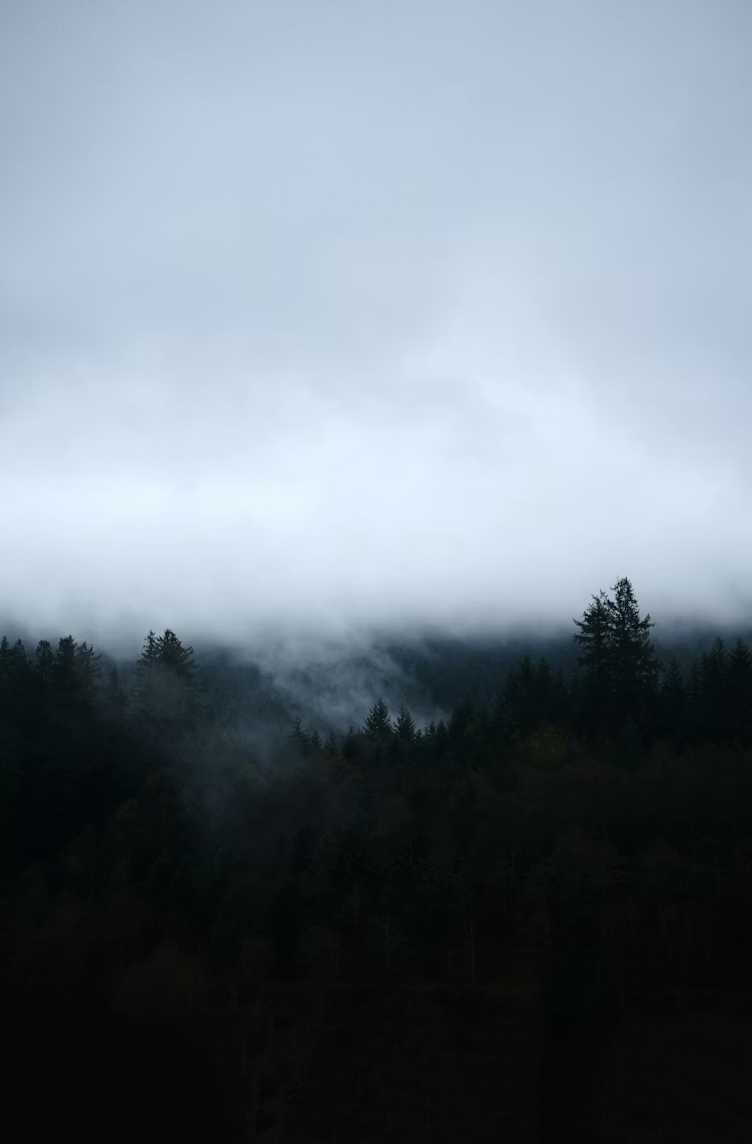
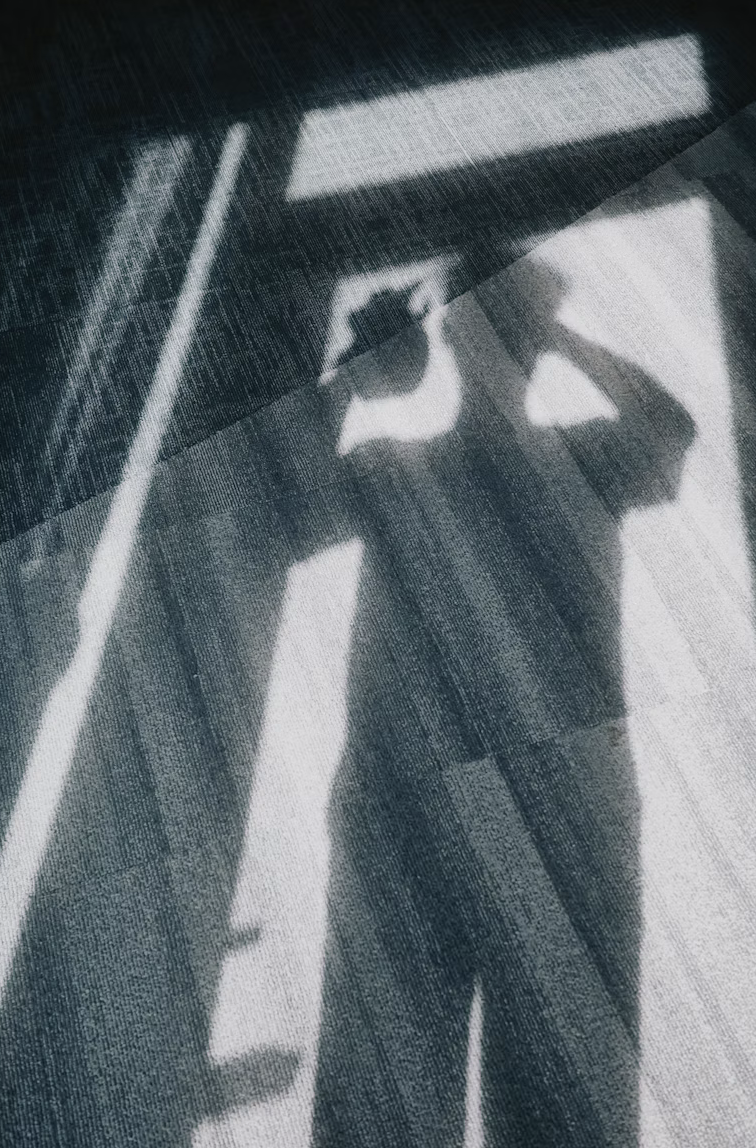
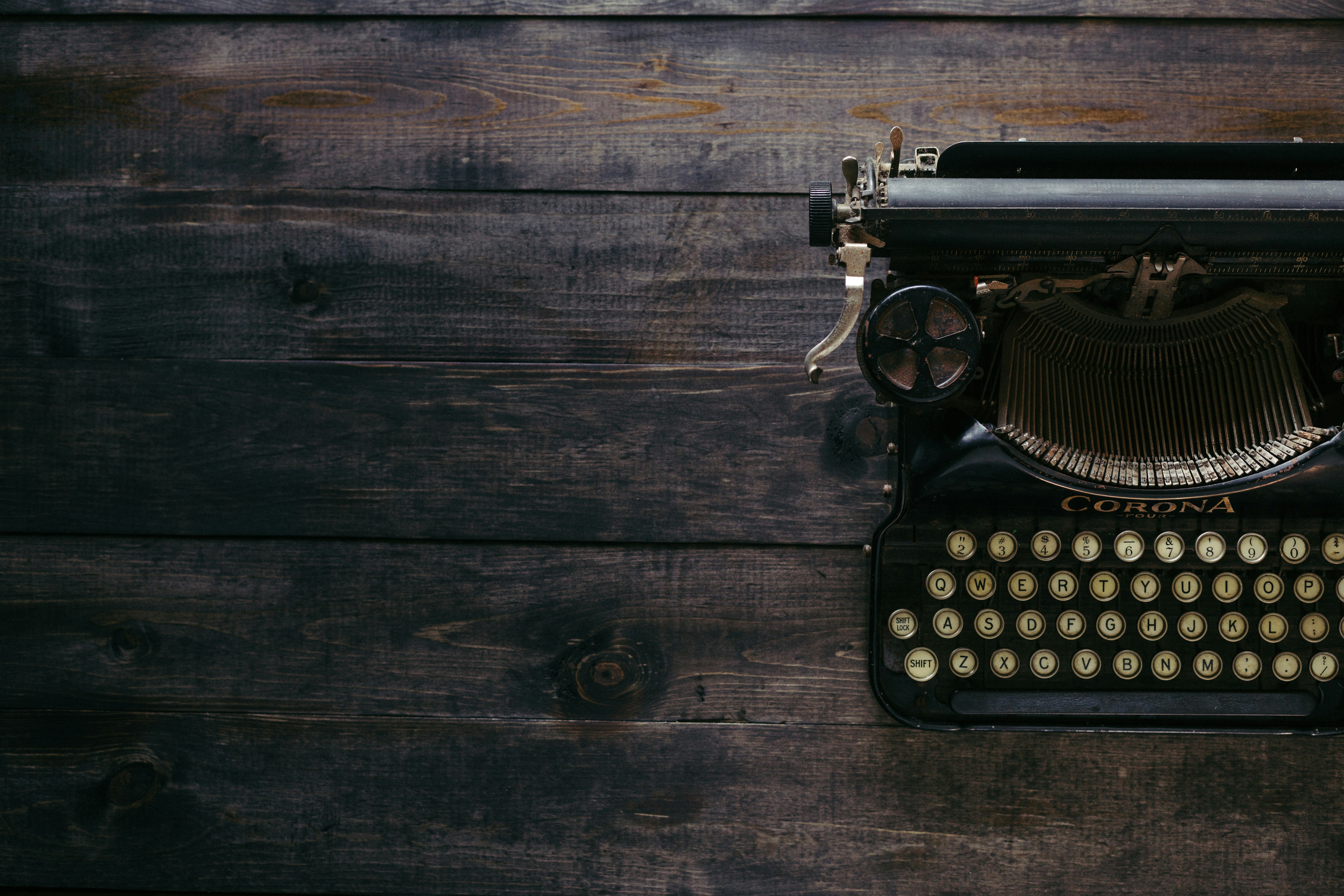
Lots of people ask me where I get my ideas from when writing fiction. The answer remains elusive. As a photographer, I find much inspiration from snippets of every day life that are captured in photographs. Scenes from life, interactions, a moment in time. These all form the seeds of an idea.

I find black and white images particularly striking. Ted Grant famously said, “When you photograph people in color, you photograph their clothes. But when you photograph people in Black and white, you photograph their souls!”

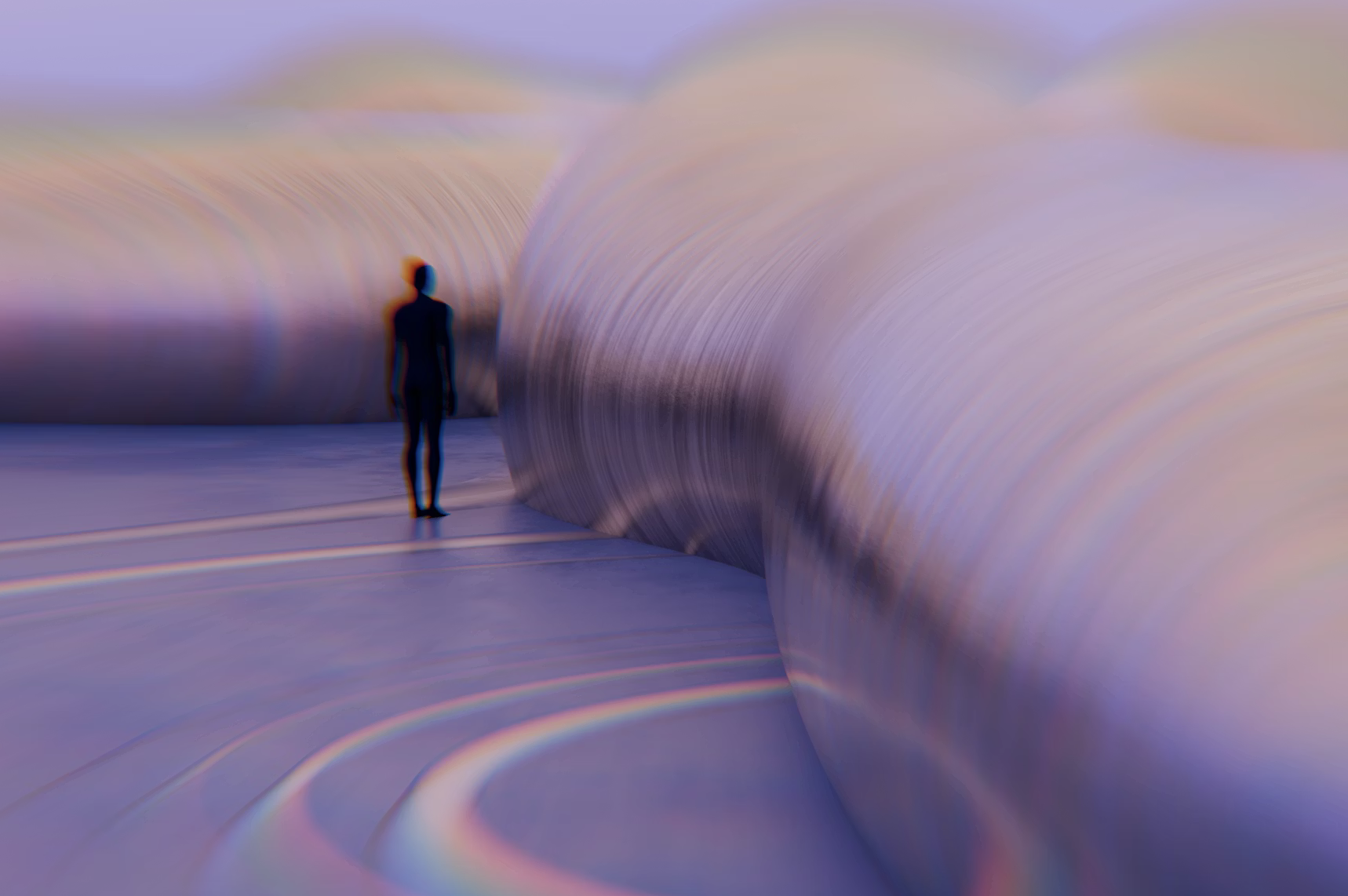
I use Pinterest to collect and find ideas. You can read about it in this post. I’ve gathered together a few of my favourite recent photographs from other photographers into a board of writing prompts. You can see a few of them below, but go to the board for the full range.

All photo credits: Unsplash (see my Pinterest Board for individual photographers)

There is something about a visual stimulus which can spark an idea. It also makes the writing process less daunting, particularly if you’re struggling with writer’s block.

Do you use images for inspiration in art or writing? Let me know in the comments. If you find inspiration from any of these writing prompts, I’d love to hear from you.

Unlocking Creativity: The Power of Daily Writing

I often get asked by new and aspiring writers how to begin and where to find ideas. The first thing I want to say is that no two writers are the same, nor do they work the in same way. The next, and probably the most important thing I would say, is that consistency is key. The more regularly you write, and the more often, the better you will become.

“No two writers are the same…consistency is key.”

Nothing is wasted. Even if there are days where you write paragraphs that won’t be read or printed, you will still learn from the process. It’s like muscle memory, but for the brain. Creating new narratives engages your brain in new ways and it also helps to form fresh neural pathways and connections, sharpening your mind.

Writing also physically changes the brain, improving memory and critical thinking. It activates multiple ares of the brain and increases levels of self-awareness, as well as enhancing well-being. Handwriting has more benefits than typing, but I do both. I find it helpful to journal ideas, but I type up my work when I get going.

“I find it helpful to journal ideas, but I type up my work when I get going.”

Start small and build up. Try writing 100 words over a coffee before you begin the day. Some writers get up early and write for an hour, but it’s different for everyone. Check out the 5am Writer’s Club and the Twitter hashtag #5amWritersClub

Build up slowly and keep it consistent. Aim for once a day or set aside a few days a week where you have a slot to write without distractions. Switch everything off, especially your phone. Go for a walk first if you can, or if you need a break between writing stints. The motion of walking can clear any mental clutter in your mind, helping you to focus on new ideas. The increased blood flow to the brain also boosts creativity and cognitive function.

“The actual motion of walking can clear any mental clutter in your mind, helping you to focus on new ideas.”

Use images to help with inspiration. I’ve written a blog post on creating Pinterest boards for writing inspiration, but you can use a photograph, a postcard or read some poetry or short stories to get you started. Sometimes, you just need an idea, a scene, or a snippet of conversation, or a line of poetry to begin.

I’d love to know how you get on. Leave a message in the comments, and feel free to ask any questions.

My Writing Journey: From Novels to Short Stories

Photo credit: Patrick Fore

WordPress sends these milestone reminders, and it’s often a good time to take stock and realise how far you’ve come as a writer. I began writing my debut novel, Take Me to the Castle, in 2007. It was published in 2012 and won The People’s Book Awards in 2013. I began writing short stories with several going on to be published in literary journals. Some won writing competitions and I was inspired by so many other writers and their stories…Alice Munro, Lydia Davis, Hilary Mantel, David Gaffney, Raymond Carver, Franz Kafka, Anton Chekhov, Ernest Hemingway.

It’s been a journey! Eight books (including two novels, two short stories and work in four anthologies) later and I still get a buzz from writing down the first words of a story, a poem, or a novel. I don’t know where the last 12 years have gone, but it’s been quite a journey. Writing, the grit required to keep going and hone your craft, along with the journey to publication, requires motivation and determination. It demands new learning and a level of discipline, but it’s also a lot of fun. The creativity, the process, it’s all part of the draw to write.

I’ve learned that you will always surprise yourself, and others. You’ll never quite know where you are going. This applies even to the most tightly planned plot! You can read more about planning, plot and structure in these posts:

Warning: Structural Work Needed – Plotting Your Novel

Permission To Not Write In A Linear Fashion?

Narrative Arc: Shaping Your Story

What’s Your First Draft Like? Author Interview

I get asked lots of questions on where I find my ideas and how I write. It’s different for poetry, short stories, flash fiction and novels. Novel writing is a marathon, not a sprint, but it also allows you more space for a story to unfold. Short stories and flash fiction, in particular, are less forgiving and no word can be wasted. You need to grab your reader in just a few hundred words, or more, or less!

I love writing. I love it as much now as I did 12 years ago. Blogging has also been a really helpful way of sharing my journey and what I’ve learned. I’ve been able to encourage new writers, connect with readers, network with people, interview authors and be interviewed. Thanks for joining me on the journey, whether you’ve just arrived (welcome!) or if you’ve been here a while. Drop any questions in the comments.

Diving In: Writing and How to Get Started

OCT. 1111 057

I read so many pieces of writing advice about planning your work, plotting and figuring out each chapter before you begin but I would like to propose just diving in. Some of my best work has been a blind journey into a world where there is no clear plot or outcome from the beginning, and in many ways it provides a freedom to explore and to let a story unfold.

E.B. White in an interview with The Paris Review on writing once said that,

“A writer who waits for ideal conditions under which to work will die without putting a word on paper.”

I think he had a point in that we often wait, procrastinate, ponder, ruminate. Add any other word that fits and you have a writer who is too afraid to begin. The problem is that time is short and every day that passes is an opportunity for you to delve into a new world of words. I say this to encourage rather that to thwart the plans of those who truly like to plan. But I know that there are those who also wonder whether they can write if they don’t have a plan, an MA in Creative Writing, a bestseller to their name or any other reason to add to the list. Diving in can bring with it a freedom from the confines of your own expectations.

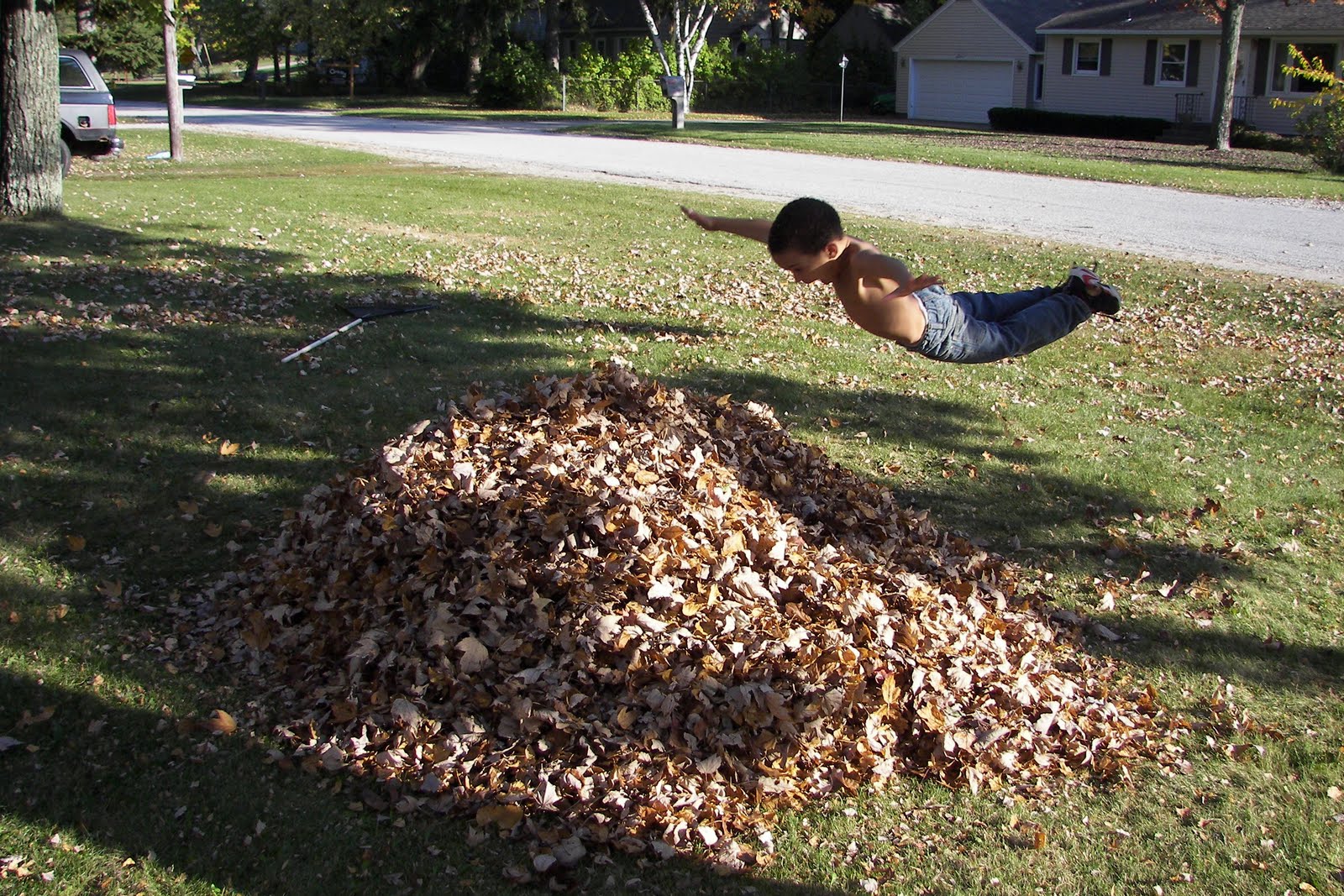
Imagine diving into a huge pile of leaves. There is something in us as adults that stops us, tells us it’s not the done thing and that it’s for children. Imagine the freedom of just plunging onto a freshly swept pile of autumn leaves. Then imagine putting fingers to the keys or pen to paper and writing one word at a time until you find yourself in a world entirely unexpected and intriguing, a world where the rules have changed and where new characters appear. For me this is part of the excitement of writing, and part of the freedom.

Dive in!

Photo: miquilter.blogspot.com

If The World Stopped Reading I Would Still Be Writing

Waterfall in the Rosenlaui ravine (Switzerland...
Waterfall in the Rosenlaui ravine (Switzerland) Français : Une cascade dans le ravin de Rosenlaui, en Suisse. (Photo credit: Wikipedia)

I hear many authors complain of time constraints, low income from books, isolation from a workplace or other people, writer’s block and many other issues and, while I understand these, I also want to scratch my head and ask whether writing is the best use of their time. Writing IS hard and it IS time consuming but here’s the truth: If the world stopped reading I would still be writing.

If people no longer read books, my fingers would continue to hover over the keyboard each morning in quiet anticipation, waiting to tap out new sentences and create different worlds. I wrote travel diaries and poetry long before I began to write my first novel. I didn’t write for people to read these, and I hope they never will, I wrote for my own pleasure.

I love writing. My mind is constantly churning over ideas, my eyes and ears observing the small details of each day, absorbing conversations and snatched moments of intimacy between other people: a hand on a shoulder, a kind expression, an angry response. All of life and its rich experiences feed into my subconscious to be unearthed when required.

I store up a bank of thoughts and ideas continually. They may come from a painting or a rock concert, a quiet conversation or a crowded street, a film or from the strings of a violin in an orchestra, an early sunrise or a pain-filled conversation. These experiences shape me but they also shape my writing. We are influenced by what we read but much more so by first-hand experiences. Much of my writing has been fueled by travel to foreign lands and I currently live abroad. The richness of different cultures has expanded my vision of life and people. My words are fueled by the relationships I have and by the chance encounters and words from the lips of strangers.

I need to write because it is how I find meaning in life. It helps me to communicate on a much deeper level than any spoken word. I love the nature and impact of words and the way sentences can repel and attract; reel a reader in and push them back. I get a thrill from the details of a scene or from a wild response from a character. I inhabit the minds of other characters with the buzz of a homicide detective close to finding the perpetrator of a crime. I feel the emotions of injustice, loss, elation, fear and longing, all through the mind of a fictional character placed in an unstable situation.

The ability to change a person’s mind or to open them up to a new world or a new thought is unmatched, other than through a work of fiction. I know that there can be dry periods and difficulties with a plot or in editing a manuscript, but these are my overriding thoughts on the craft of putting words to paper. I understand that there are times when you want to give up or if you wonder what you are doing or whether the path will lead you into brambles or into a deep ravine. This is often temporary and it is important for me to focus on the positives and on the reasons for writing in the first instance. The privilege of hearing a reader say that they loved your story and couldn’t put the book down is wonderful, but the truth is, even without it I would keep writing.