What I’m currently reading and watching

There have been some wonderful new book releases and crime thriller series, so I thought I’d share some of my recent reads, books on my Wishlist and things I’ve watched and enjoyed.

CURRENTLY READING

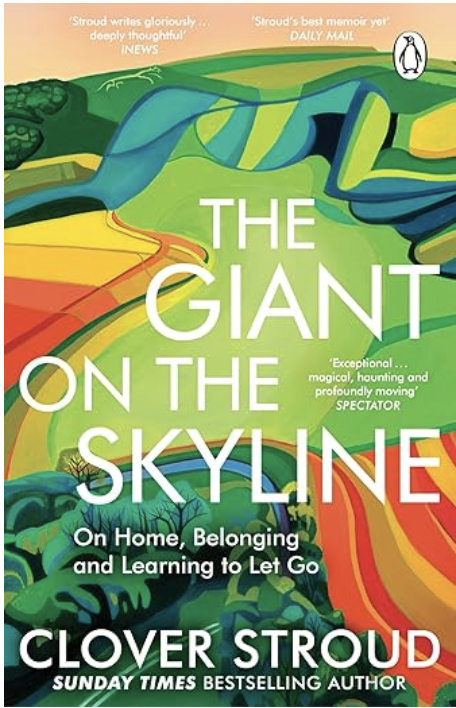
The Giant on the Skyline, by Clover Stroud, is a memoir on home, belonging and learning to let go. It’s meditative, restless and unafraid to ask the difficult questions of life. Stroud’s ‘what ifs’ and ‘maybes’ are loud and resonant. I’m looking forward to seeing where the story will take me. I would recommend it from what I have read so far.

NEXT ON MY BOOKLIST

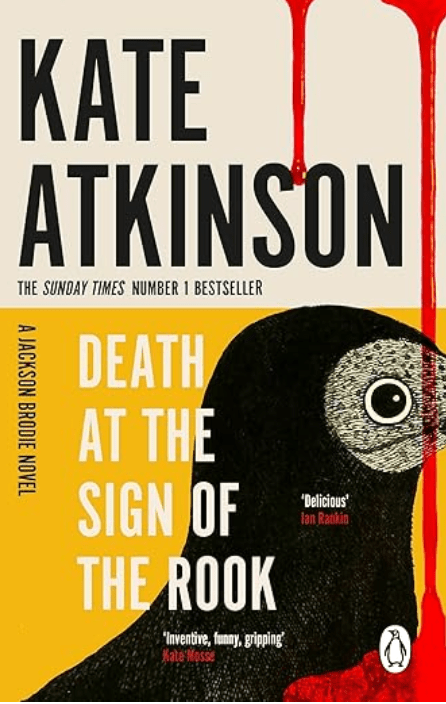
Kate Atkinson is a wonderful writer. In Death at the Sign of the Rook, Ex-detective Jackson Brodie is called to a Yorkshire town over a stolen Turner painting.

Once a grand country house, Burton Makepeace, Lady Milton’s home, has been converted into a hotel, hosting Murder Mystery weekends. As guests, including a vicar, an ex-army officer, aristocrats, we are taken on a Agatha Christie-style mystery tour.

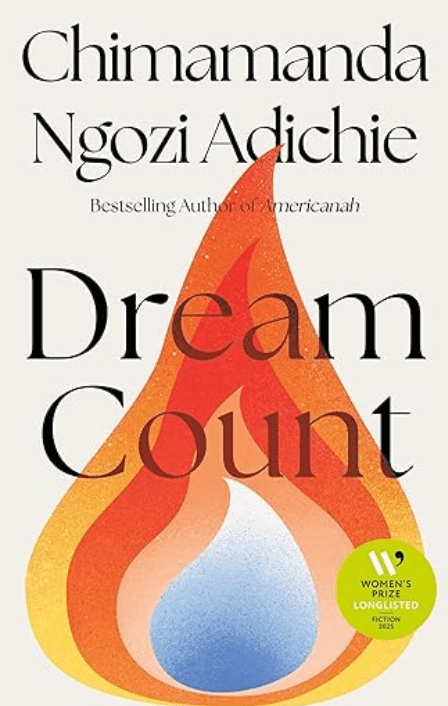
Dream Count is the searing new novel from the author of Americanah, Chimamanda Ngoni Adichie. The Times hails this as a “feminist War and Peace.”  It tells the story of four women and their loves, longings and desires.

Adichie tells the stories of these women while leading the reader to consider the choices we make and those made for us and on our interconnected world. Dream Count presents unflinching observations on the human heart, in language that soars.

WHAT I’VE WATCHED

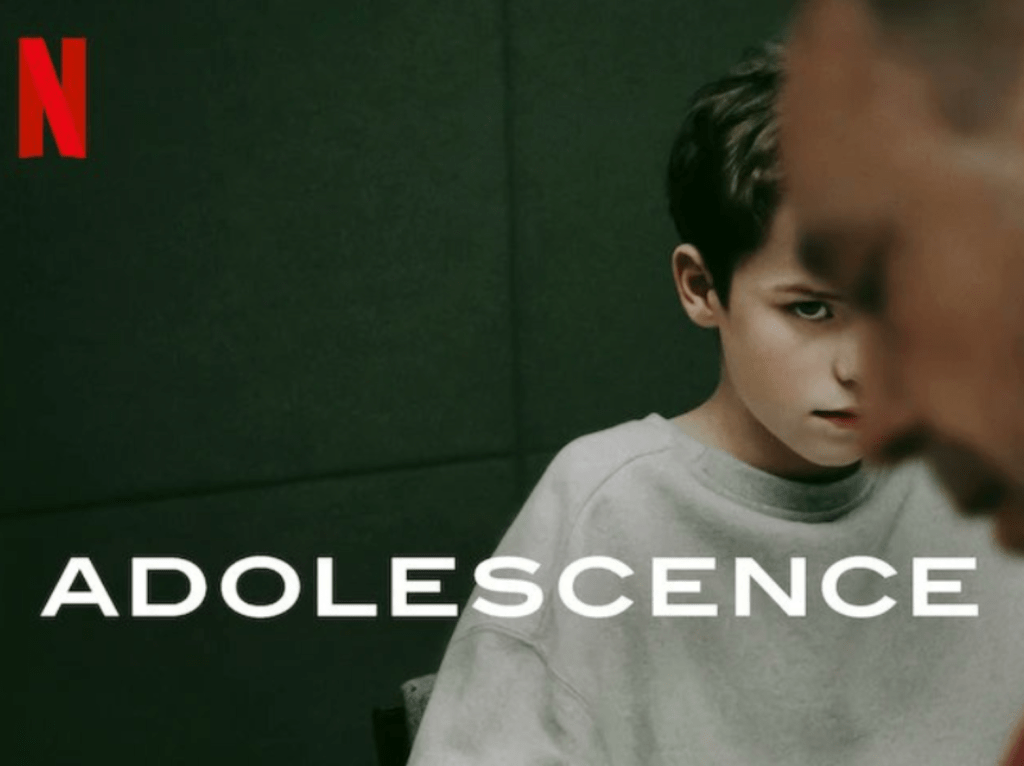
Adolescence is a four-part crime drama series that will make you feel you are living the nightmare that 14 year old Jamie Miller’s family are enduring, as we are thrown into his arrest for killing school girl and fellow classmate, Katie.

This is a gripping and timely drama that runs close to real life, telling a story of violence and shame, as we watch the story unfold in their home, on the streets, in the police station, an in a chilling interview with a psychologist.

In this fast-moving crime thriller, Black Work, police officer, Jo Gillespie, is left with unanswered questions surrounding the death of her husband, who is shot dead in the line of action as an undercover officer. Jo has to work out who to trust and retrace his steps, as she is left to confront issues in her marriage in order to discover who killed her husband.

Two European Bookshops You Need to Know About

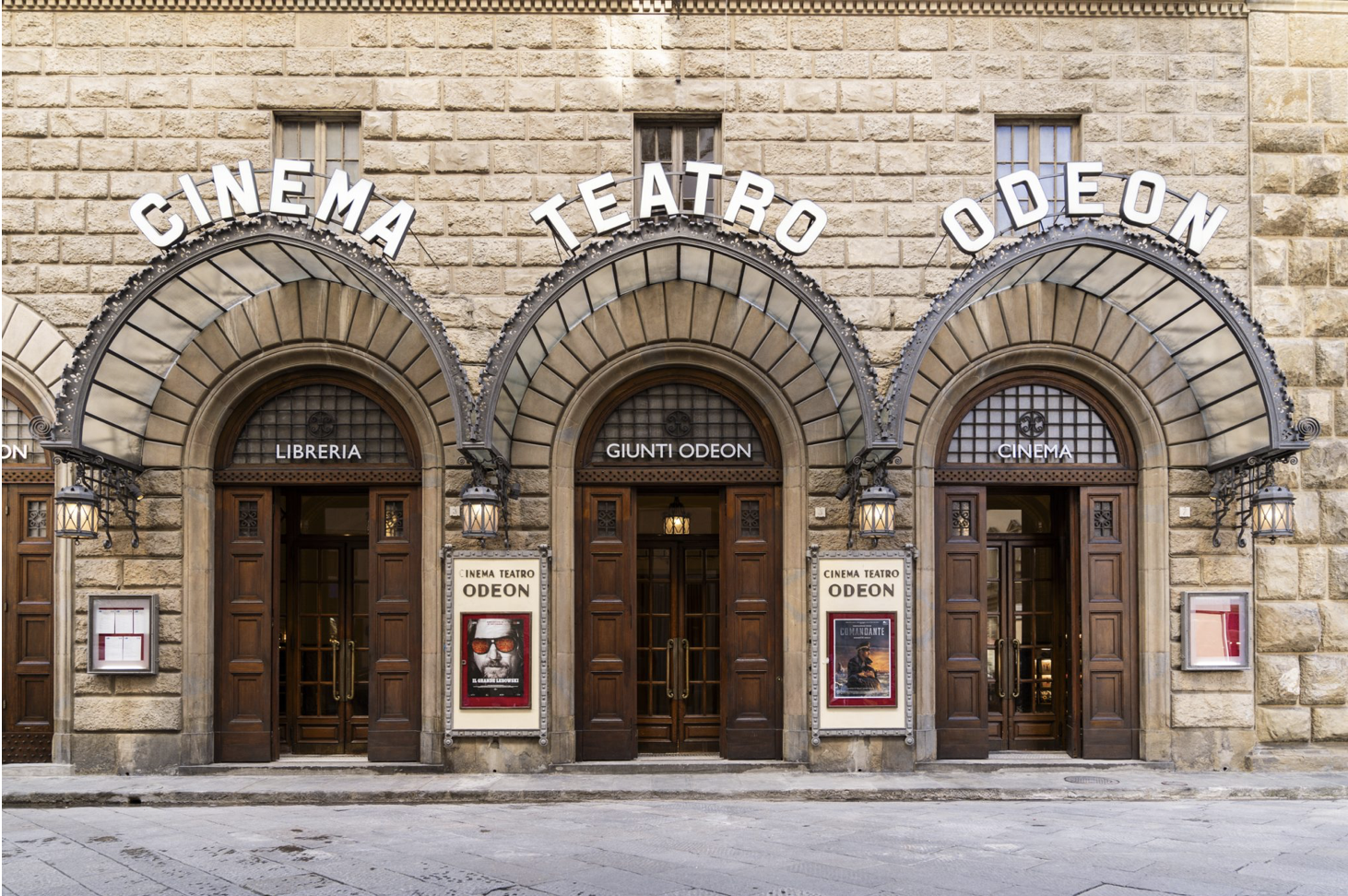
There are two fabulous bookshops in Europe that you might not know about. Both are in Italy, one is in Rome and one is in Florence.

GUINTI ODEON, FLORENCE

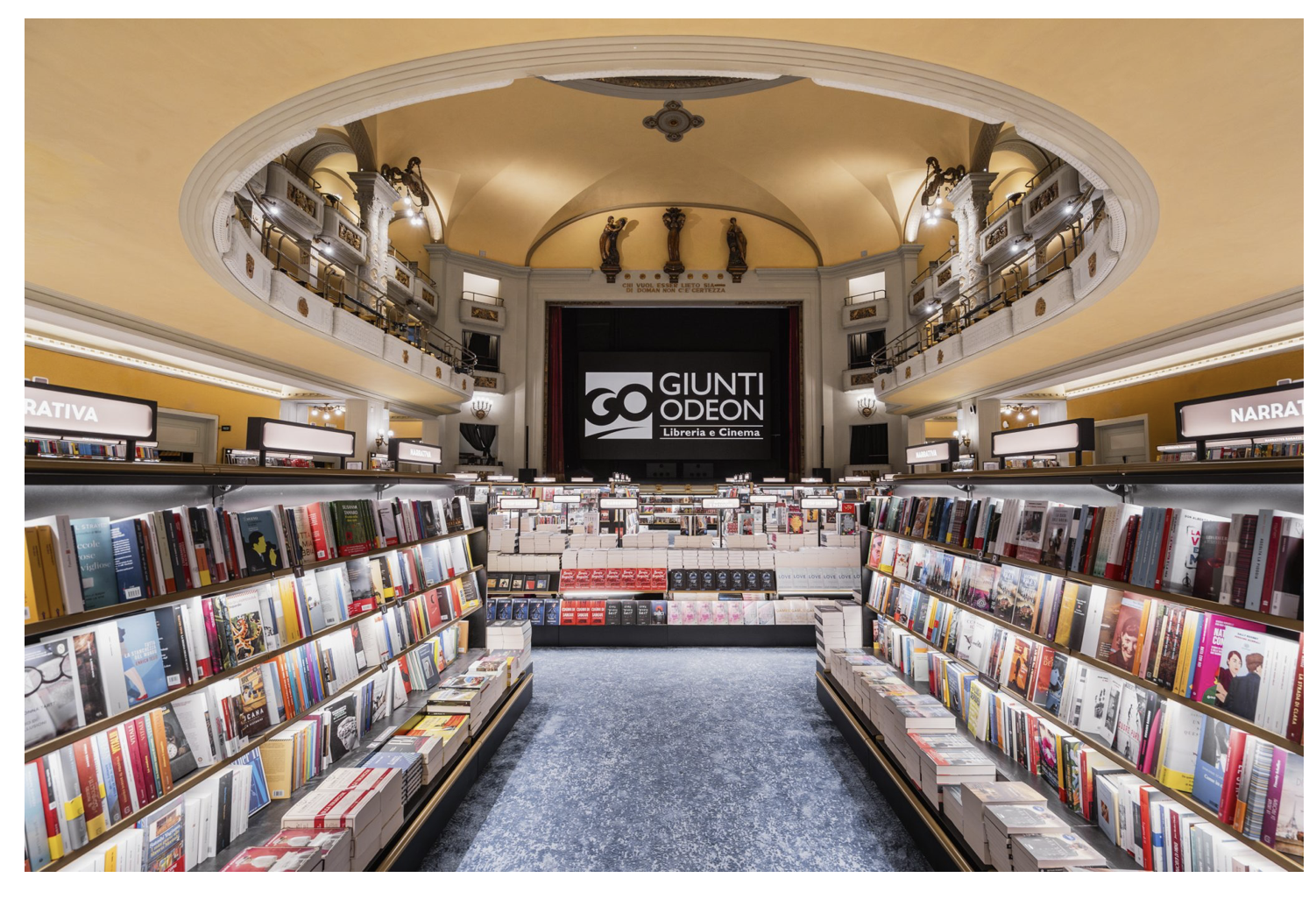
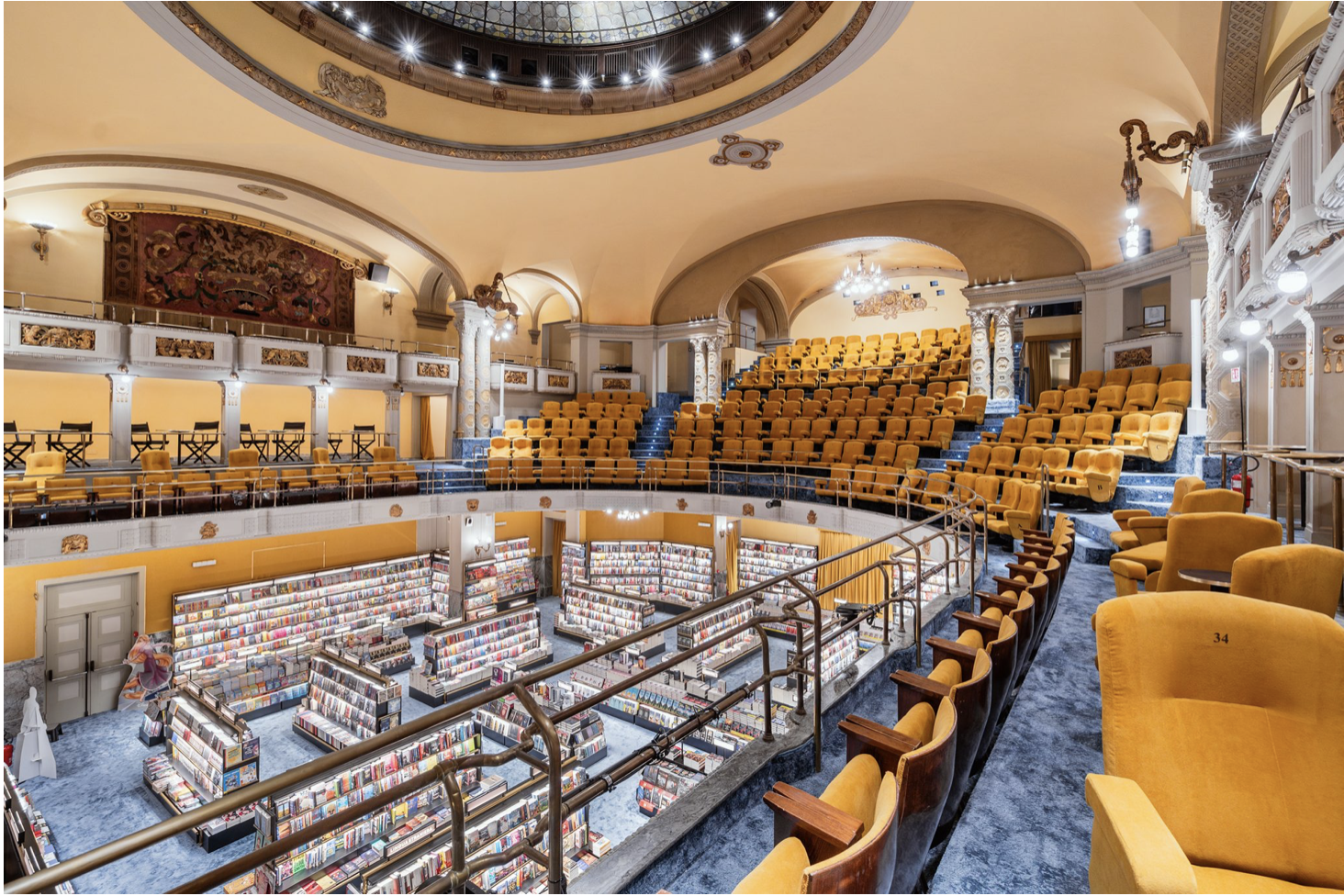
The first bookshop is the Giunti Odeon. Yes, you read that right. It’s a cinema with a built-in bookshop. What an amazing combination of culture from the world of books and film! The Giunti Odeon, or GO remains a cinema, showing films in Italian and English, but it also has a bookshop which is open 7 days week until the end of the film each night. The bookshop contains over 25,000 books, which fill the whole of the ground floor, including the foyer.

The cinema opened in 1922 in Palazzo dello Strozzino. It is one of the most stunning Renaissance palazzos in Florence with an Art Déco interior and sculptures by Antonio Maraini and tapestries by Matilde Festa Piacentini. Cinema Teatro Savoia, as it was known, hosted world-class film premieres, theatre performances and musicals. It was reopened after WWII and renamed Cinema-Teatro Odeon and has hosted Louis Armstrong and Kate Winslet.

In 2023, the Odeon partnered with publishing house Giunti Editore. It was then renovated and reopened in November 2023. The stalls have been redesigned, with the original detail remaining intact, as required by the city’s fine arts department – fountains, tapestries, ornate columns, terrazzo floors, glass dome, gilded lettering and heavy golden drapes. No less than 200 armchairs have been placed in the mezzanine gallery, where cinema goers remain undistracted by the bookshop below.

OPEN DOOR BOOKSHOP, ROME

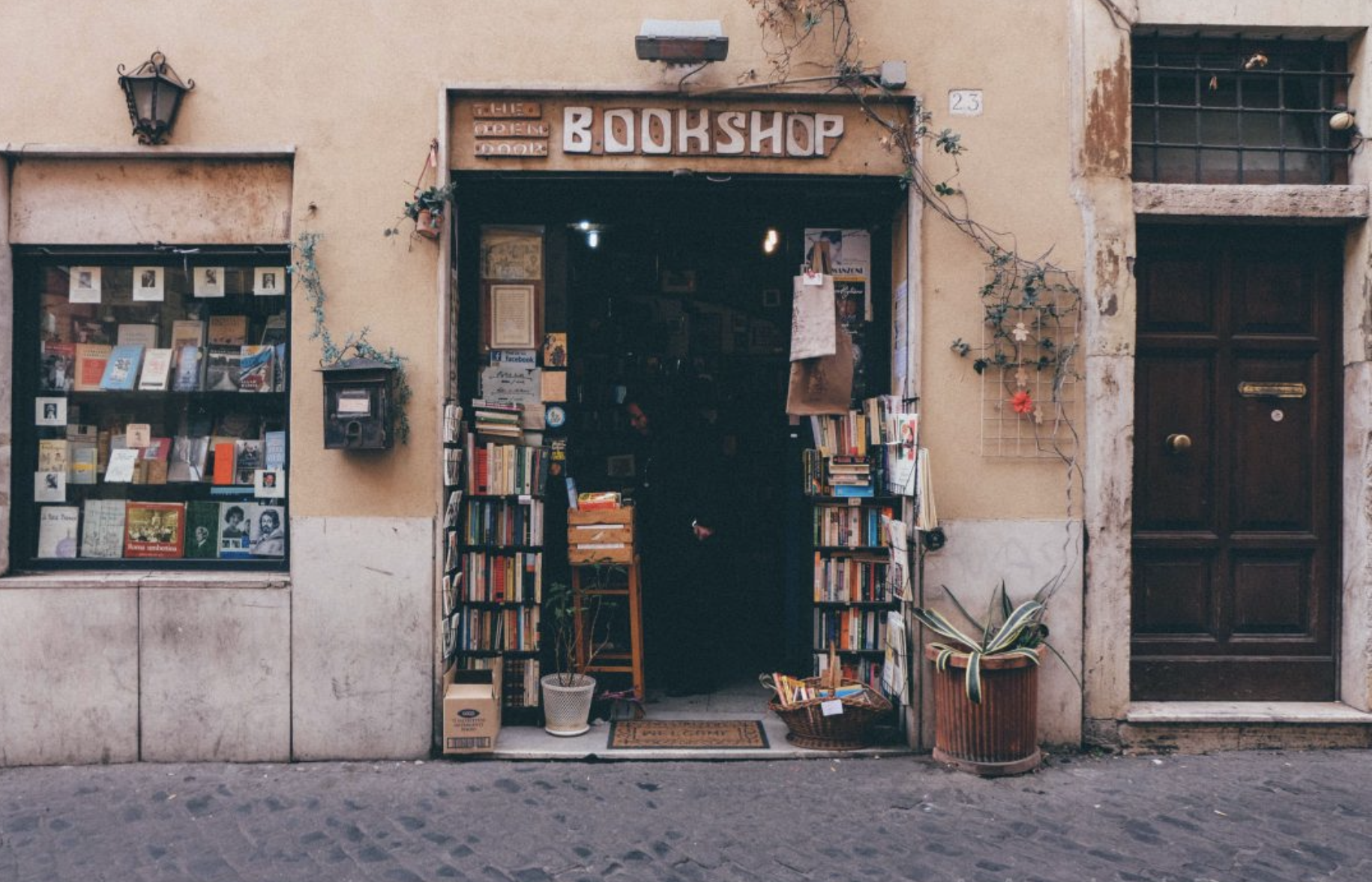
The second gem of a bookshop is in Rome. The Open Door Bookshop sells second-hand books, and has been in Trastevere for more than forty years. Its name is both a wolcome to book lovers and a reflection of an open mind and a curiosity for learning. The bookshop sells “the unusual and even the bizarre.” Finding a book is a “treasure hunt among old, antiquarian and even new books”.

The contents of the bookshop vary on any given day and if you are looking for a specific book, they will try to find a copy! They also take second-hand books that people want to pass on. There is a good selection of books ranging from contemporary and genre to classics and Italian, French and Spanish. The cluttered nature of the bookshelves and the scent of second-hand books are enticing. It’s a literary Aladdin’s cave!

Photo credits: The Florentine, Open Door Bookshop, Amber Paulen.

Dead Drop – Book group visit and reviews

This week I was invited to a book group to discussion about my latest book, Dead Drop, published by Linen Press in October. The Q&A session was interesting with lots of interesting questions from readers. A few people asked whether there would be a sequel. Several people said that they had explored more information about the paintings, or visited Vienna, after reading the book. Many shared that they loved the descriptions of the city, the changing seasons, the cafe culture and details about the art and artists, as well as the history.

Some readers asked how Leisl had managed her conscience while stealing priceless works of art and why she had a moral dilemma as the story unfolded. Others wanted to know about the transfer of art to and from galleries, and about my research and writing processes. Many people are unaware of the sheer volume of priceless art which remains missing from galleries. I discussed global art theft, as well as the Art Loss Register and the FBI Art Crime Team.

I also want to share some wonderful recent reviews from readers:

BARNES AND NOBLE –

Jomaghs

5 stars A descriptive masterpiece

“I usually speed read books and whizz through them in no time at all but this book was different. The descriptions were so detailed and captivating that I needed/wanted to take my time and savour every page. It’s beautiful and intriguing at the same time…Couldn’t put it down.”

AMAZON –

Andrea Barton

5.0 out of 5 stars A nail-biting thriller that makes you think Reviewed in Australia on June 19, 2023

“Dead Drop, by F.C. Malby, is a nail-biting thriller that makes you think. Liesl loves her solitary life as an art thief in Vienna, thriving on bursts of adrenaline from rehoming valuable artwork based on clandestine instructions from her illusive employer. But when one of her contacts ends up dead, she realises that she, too, may be in danger.
Dead Drop demonstrates that even art thieves have morals, and I found myself questioning the ethics of art ownership.”

Shal Buy

5.0 out of 5 stars Highly recommend Reviewed in the United Kingdom on 30 May 2023

“A very enjoyable read, I quickly warmed to the main character, Liesl and her involvement in the main plot. Keen to unfold the mystery, didn’t put the book down until I had finished it!”

Why Bother With Social Media?

images (19)

Social Media: A phrase that strikes up a series of emotions in each one of us. Some people enjoy using social media sites, thriving on the information they can gather and the contact with others, while others avoid it through fear or a lack of time or motivation. Many people have a love/hate relationship with it. Why does it cause so much consternation, when the aim has always been to connect and to share information? Each site takes time to navigate and to get used to, much like a new relationship or friendship in some ways! At first you post and respond to others, gradually gaining the confidence and understanding of how it all works. Each site has a different character and set of expectations. You step up your communication, post, wait, wonder. Sound familiar?

The earliest forms of social media were not electronic, but took the form of cave paintings. These were the earliest known signs of humans trying to communicate, to leave their mark. Now, we leave our mark, our knowledge and some of our personality, on sites like Twitter, Facebook, Google+, Pinterest, LinkedIn, WordPress, Tumblr or other blogging sites. We strike up connections with others and share information, often collaborating in a way that would have been difficult before the age of social media.

So, why take the time to engage with social media?

1. You meet an amazing range of people, both within and outside your field of expertise.

I have met some fantastic readers, writers, bloggers, editors, agents, marketing experts. Meeting people within the fields of writing and publishing have helped me to learn about the industry. Other authors have been a great encouragement to me along the way (which is something we all need). Readers have contacted me through my website and found me on other social media platforms. If they enjoy your work and like who you are as a person, chances are they will want to engage and follow what you are up to. I have also gained a great deal from others outside this group. I follow journalists and people who are interested in some of the things I enjoy outside writing: music, art, travel and skiing.

2. Sharing resources

The online community are a generous bunch! I find that people share information on writing competitions, tips on writing and publishing (both self-publishing and traditional publishing). It’s also a great way to find out about writing courses or retreats. I first heard about the Arvon Foundation through Twitter. They offer residential writing courses with a range of authors who teach specific courses throughout the year. Interviewing other authors on your blog and hosting posts is a good way of networking and sharing new work with your readers. You can also approach other bloggers and offer to write posts on their blogs (see my post on Optimising Facebook on 30 Day Books).

3. Finding books

Many people share books they have read and enjoyed. There are a few editors whose tastes are similar to mine and I almost always enjoy the books they suggest. Book bloggers are a great resource, reviewing books and giving honest opinions on popular or recent books, and often on classics I might have missed. I also review books as well as hosting interviews and posting about writing. Literary salons and author events in bookshops are also advertised on social media sites. Don’t miss these if there is one near you.

4. It keeps you up to date with what is going on in the publishing industry.

Within the publishing industry I have learned a great deal from people like Jane Friedman (former publisher of Writer’s Digest, who writes about the future of the publishing and media industry), Porter Anderson (journalist and publishing consultant) and The Future Book, a blog founded by Sam Missingham (formerly working for The Bookseller Group). If you are interested in a traditional publishing deal, social media sites are a good way to find agents who might be a good fit for your work. Follow the #askagent hashtag on Twitter for agent tips and #MSWL for individual manuscript wish lists. If you are self-publishing, there is a plethora of blogs and sites with all the information you will need.

5. It helps to develop your writing skills on many levels.

Blogging is a good extension of your writing. I wrote a post on blogging with a list of resources. It helps you to learn how to engage readers and to put forward your ideas in an interesting way. This is particularly useful for non-fiction writers who might need evidence of a platform before approaching an agency, and to connect with readers of your particular subject area. As far as fiction is concerned, there has been advice not to write about writing, but I find that these posts have a high level of engagement and readers often write to tell me that these have been helpful. I would run with what works, what you enjoy and what helps others. Social media is an important place to be a helpful resource for others. If you use Twitter it will keep your writing to a succinct 140 characters! This can be a challenge if you tend to over-write or over-describe.

6. You are available for people to contact you and find out about your work.

I have deliberately left this point until last because promoting your work should not be your primary focus on social media. It is called ‘social’ media for the very reason that you interact with people respectfully and share your ideas. If you are interesting and thoughtful, and readers like your style, they will often then look into your work. But you would not sit in a cafe or a bar with a friend saying “Buy my book, buy my book.” So, don’t do it online. It is one of people’s greatest bugbears. Leave an option for people to sign up to your newsletters and to follow your blog posts. I promise you this is enough. No one likes a hard sell and if you treat social media with the same approach as a double glazing salesman, you’ll get the same response.

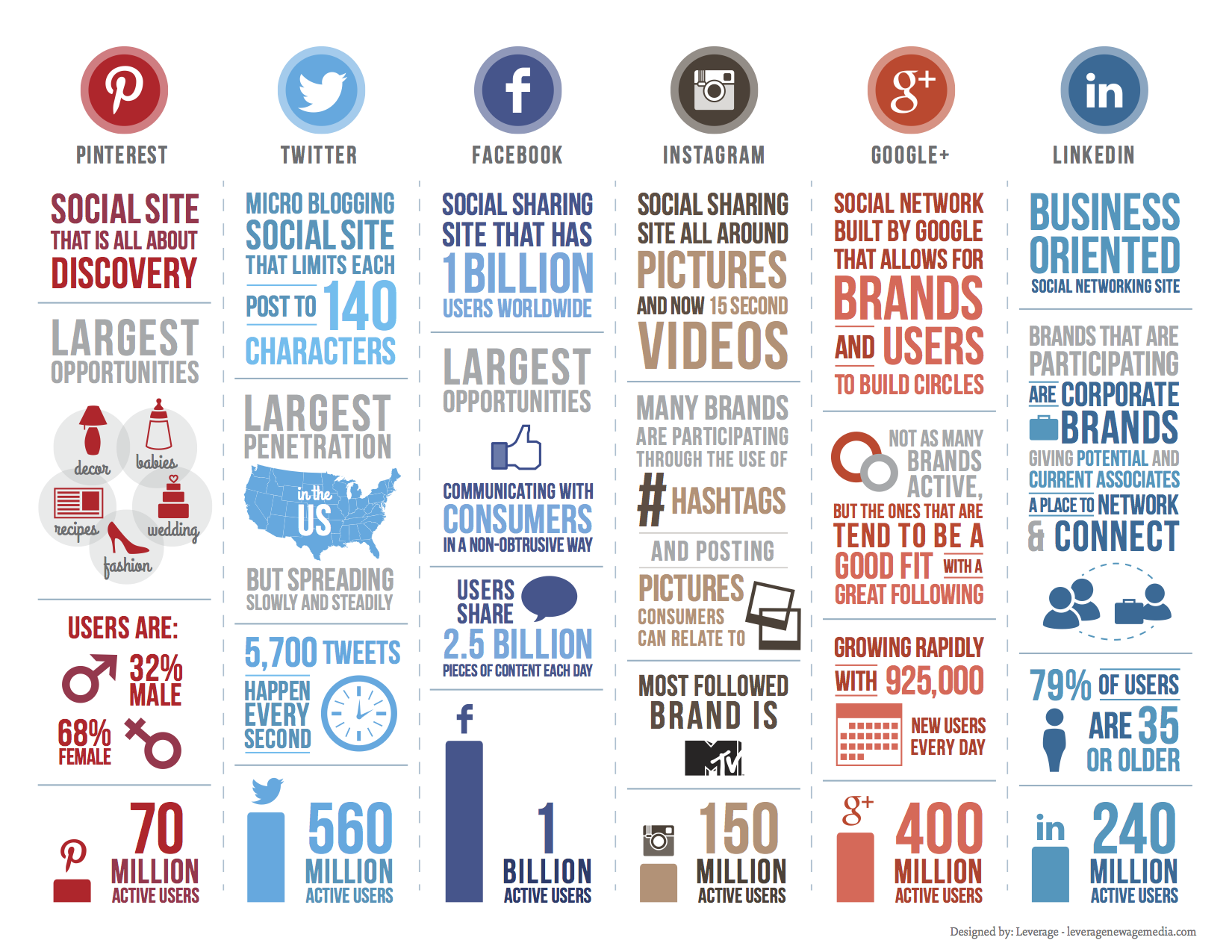
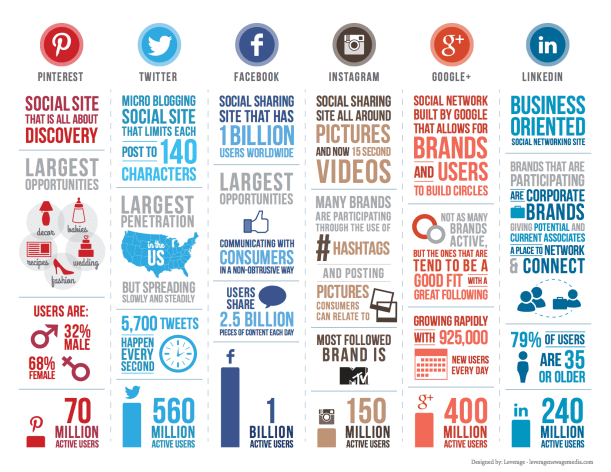
What are your thoughts on social media? Are there sites that you use more often and why? Are there some sites you haven’t yet got to grips with? Share your ideas. I’ll leave you with some interesting stats:
social-media-networks

Blogging for Readers

photo 1

Last week’s post was on blogging for writers and I promised a post this week on blogging for readers. They deserve two separate posts in order to do them both justice. I post a few reviews, in amongst author interviews and I discuss different aspects of writing. Book bloggers do a wonderful job of reviewing and sharing books. I have bought several books based on the recommendations of bloggers whose opinions I trust. Some bloggers share books in one genre, be it crime, historical romance, literary fiction, young adult or science fiction, others read and review a vast range of books in one blog. In a previous post I shared a list of bloggers who I follow and whose posts are varied and informative.

So, what do you write and how?

I don’t want to be formulaic because the joy of different blogs lies in their individuality and their unique voice and layout. But the key points are important:

Book Cover

Ask the author or publisher for a high resolution image of the book, and make sure that it is clear and not too large or small for the post. Thumbnails can get lost in amongst your words but a billboard sized image can overtake the review.

Book Information

Include the ISBN number, publication date and publisher information to make it easy for people to locate the book. The genre of the book can also be a helpful indication for the reader. If a reader really enjoys, or doesn’t enjoy, a particular genre, it can help them to make a quick decision about whether to read your review or buy the book.

Synopsis

This is a crucial part of the review and, if you don’t want to include a whole synopsis, at least give a snapshot of the book to frame it for the reader. You probably wouldn’t see a film or a play unless you had a rough idea of the plot or the style, especially if you haven’t previously heard anything about it. Most people go on recommendations before they watch or read anything new, and your introduction can make or break their decision to read a book. Either take the full review or give an outline, and preferably before you give your candid opinion.

Your review

This is the meat of the post. It is your take on the book, your view of the style, the language and the story. Be honest, but it is best to avoid scathing comments. Some bloggers are asked by agents or publishers to review books, and others pick up books to review themselves. If you have been asked to review a book that you don’t connect with, be honest about what didn’t work and try to find the positives. If you really enjoyed the book your enthusiasm will be clear, and hopefully it will encourage others to pick up the book. Try to look at different aspects: the characters, their interaction with each other and the situations in which they are placed, the pace and style, the plot with it’s twists and turns, or the descriptive prose. Have fun and let your journalist’s hat run free.

Other reviews

Has the book been reviewed by the national press or magazines? Are there reviews by other well-known authors? These are worth sharing as they give the reader a better idea of the substance of the book. Quote from other reviews or from the press release. Most books have these quotes on Amazon, which will make them easier to find.

Author info

Does the author have credits or other publications? It is always interesting, although not essential, to gain some background knowledge on the person behind the cover. Do they enjoy travel? Do they have a PhD in an unusual subject? Have they previously been involved in an interesting job? Part of the reason why people enjoy author interviews is because we are all essentially curious (nosey) and it is intriguing to find out about the author or their reasons for writing the book. If readers enjoy the book, they will want to know where to find other material by the writer. Some readers find novels through reading short stories that they enjoy and then searching for books by the same author, and sometimes it works the other way around.

Contact info

This is helpful but not essential. In an age of what I would call ‘the social media explosion,’ many authors have blogs and websites and are on twitter, Facebook, Pinterest or any of the other social media sites. Readers like to connect with authors. Some authors are fiercely private, and little can be found out about them or their lives and writing, but most will at least have a website. Many author websites will have widgets which take you to their other sites.

Can you recommend any good book blogs? Do you review books? How has it helped you to find what you are looking for or, perhaps, surprise you with something new?