Book Pile

This morning, I’m dipping into some poetry and short stories from a few of my favourite authors. The advice I was given when I began writing was, read as much has you write. Over the years I’ve come to see the importance of this and the need for balance.

Ian McEwan, in an interview, said that he reads for several hours a day and it’s good to read a range of fiction, especially outside your genre. Although, today I’m focusing on poetry and short fiction. I’ve written quite a bit of both, recently, but I haven’t had time for much reading. I’m currently studying for a Masters in Theology, so it’s a juggling act. I finished ‘Reservoir 13’ by Jon McGregor this week. I need some time before I review it, as I have so many thoughts on it.

Today, I’m looking at these beauties by Claire Keegan, whose book, ‘Small Things Like These,’ was my favourite read of 2022. I then read ‘Foster,’ which was also an intensely beautiful, if a little melancholic, read. I’ve reviewed it on this blog. These are stand alone short stories, The Forester’s Daughter and So Late in the Day. I also want to read Alison Moore’s Eastmouth and Other Stories. I really enjoy her short fiction and her novels. One of my favourite stories for sheer tension and beautiful writing was ‘When the Door Closed, It Was Dark,’ originally published by Nightjar Press and in the collection, Pre-War House and other Stories, but Salt Publishing.

Wendell Berry’s poems are meditations on relationships and belonging, and Daunisha Laméris’ poetry is vibrant and atmospheric. I haven’t started Homesickness by Colin Barrett, but I enjoy his short fiction. His newest book, Wild Houses, will be published by Jonathan Cape in 2024. Now, time to read…..

‘Red’ by F.C. Malby in Roi Fainéant Press

Shirley checked her bag twice to see if she’d put tissues inside. The kitchen windows needed cleaning. She could do that when she returned home later. The visit would be quick. She went into the downstairs bathroom, applied some lip gloss, post box red, bared her teeth like a lioness, rubbed them with her index finger, added a liberal smattering of perfume, and left the house, double-checking the front door before getting into the car. Charles had only been in the hospital for two days, but how she looked would matter. She couldn’t work out whether she missed him or the idea of him. It was easier at home without him there; she could hide her need for life to be ordered, along with her penchant for a glass of Pinot Grigio. It was never more than a glass or two, but the way he curled his lips to one side said enough. The cat would have to find something wild to eat tonight, she thought, as the lights turned red at the end of the street.

Roxanne blasted out of the car radio, seeping out through the open windows. Summer nights like these felt hot and sticky. She glanced at the man in the Mondeo next to her, assessing her, and she turned down the dial. Dialing down was something she had become skilled at, she’d spent her whole life doing it. The Mondeo man had a gray beard and round glasses. He wouldn’t approve of red lights or selling your body to the night. He wouldn’t approve of her lip gloss, either. She had wanted to make the effort for Charles, whatever state he was in. She’d been taught to keep herself free of makeup or wild impulses, in keeping with her Mormon upbringing, but it went against her nature. Now she would take it out on the bathroom, scrubbing and cleansing, bleaching every inch of the surfaces. Her own body, though, would no longer be subjected to the same disciplines.

I know my mind is made up, So put away your makeup, Told you once I won’t tell you again. It’s a bad way. The street thrummed with music; sounds from the fairground in the park up the road threatened to drown out her own. She could hear the screams. That much fear is bad for your heart, her father had told her. It’s the thrill, she had said at the time, but he’d already walked away. Charles had walked away when she talked about the cat or the children. The only thing that interested him these days was classic cars or some current news item, as long as it didn’t involve global warming, because it didn’t exist. She had learned to stick to frivolous subjects that did not involve the non-existent warming of the planet, the cat or the children. The latter had already left home. It made her heart feel weak. He never talked about them, as though they didn’t exist, either.

The lights went green and a young boy, about the same age as her Brian, floored it down the street towards the edge of the city, hair all slicked back, music louder than hers. He wouldn’t have heard of The Police. What she wouldn’t give to go back to those days with her whole life ahead of her. The hospital was a street away. The sun lowered over the tower blocks. Children lined the pavements with chalks and footballs; carefree. The scent of charred red meat rose up between the houses in bellows of smoke. The hospital car park created the usual fiasco of digging around for the right change, Or you’ll be towed, M’am, the parking attendant had told her when she’d gone in to visit Jan, from her book group, who was Just in for a small procedure. Shirley had never found out exactly what it involved.

Inside, staff swirled around like the beginnings of a storm with the swooshing and circling of currents, picking up things as they gathered speed. Patients were being pushed about on beds and in wheelchairs. Doctors moved swiftly and without looking up. A lady at reception was telling someone to Please come in to see a doctor. She hated the accident and emergency department. It reminded her of her brother, Ronnie, breaking his ankle in football at school. The smell of disinfectant made her queasy.

“Can you tell me where the cardiology ward is, please? I haven’t been before,” she said, as a nurse passed her with a tray of meds.

“Take the lift up to the fourth floor and it’s on your right.”

Shirley nodded, but the nurse had already gone, talking as she moved, her voice disappearing off down the corridor. The lift was empty. It stopped on the second floor. A lone man got in and stood away from her on the other side, didn’t look up, checked his watch. She always felt safer when people didn’t look directly at her, although she felt ridiculous thinking this as a grown woman. The lift juddered to a halt on the third floor. He got out. An elderly lady was waiting with a nurse, and holding a walking frame with a crocheted bag hanging from the top. They stepped in gently. Shirley pressed the button to hold the lift. The nurse nodded, put her arm on the back of the lady, rearranged the drip that was attached to a stand. Moving all of this metal between a fixed floor and a moving floor looked precarious, but she suspected that they were used to it. She had probably seen too many horror films, expected something to be severed. These were the kinds of thoughts that she couldn’t share, not with Charles, not with anyone. She turned to look in the mirror behind her, pulled out the red lip gloss, and reapplied it liberally. She pursed her lips together, got out on the fourth floor, and turned right.

The corridor was long and stark, with insipid green walls and a fire extinguisher with a ‘break glass press here’ sign on a red box on the wall just above. Charles did not appear to be in any of the rooms, which were mostly filled with older men, much older than him. In one room, a whole family had gathered and machines were beeping. She wondered whether he was, perhaps, nearing the end of his life, partly because she had seen a priest hovering in the corridor. In another, a lady sat knitting, watching a man sleep. She stopped to look at Shirley as she passed. It was a soulless place, not somewhere you would choose to be. Where was Charles? Had he left? Continue reading in Roi Fainéant Press.

FC Malby is a contributor to Unthology 8 and Hearing Voices: The Litro Anthology of New Fiction. Her short fiction won the Litro Magazine Environmental Disaster Fiction Competition. She was shortlisted by Ad Hoc Fiction, Lunate Fiction and TSS Publishing, and her work has been nominated for Non Poetry Publication of the Year in the Spillwords Press 2021 Awards. Her work is forthcoming in the Reflex Press Anthology, Vol. 5.

Twitter/Instagram @fcmalby

Writing News….

LINEN PRESS

Linen Press will be releasing news about my next book, a psychological thriller about the art underworld, this week! Follow @linenpress on Twitter and Instagram for updates…

REFLEX PRESS

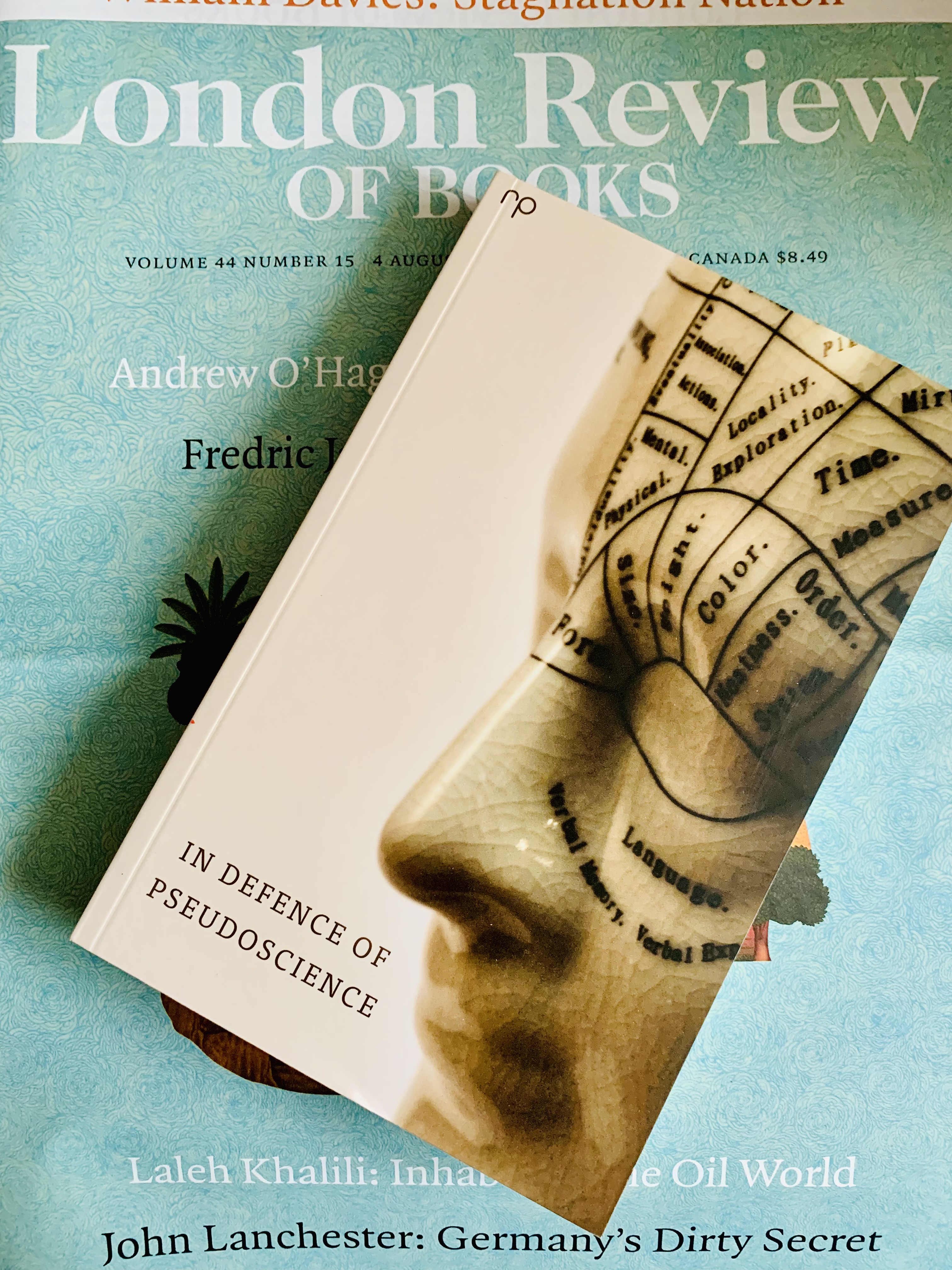
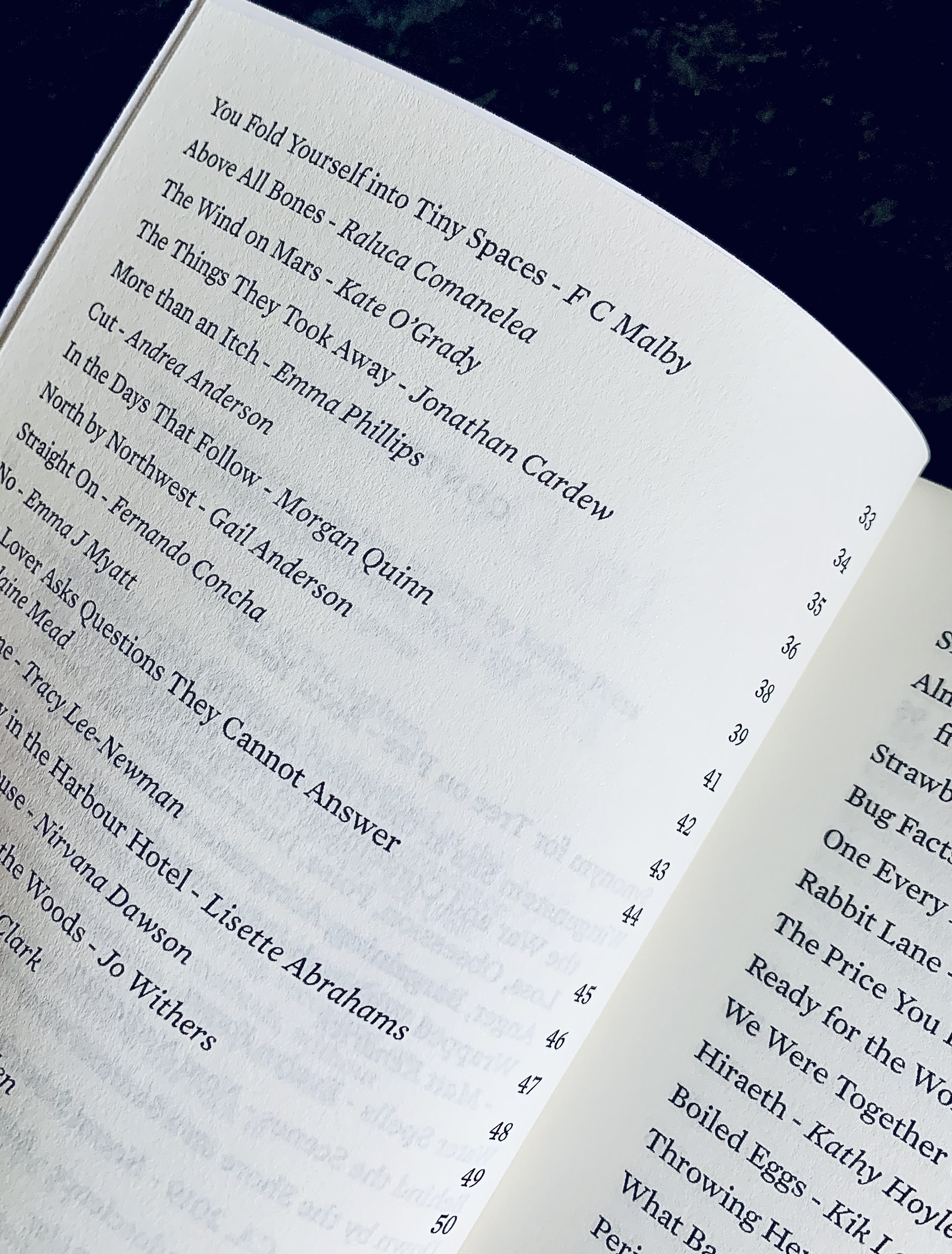
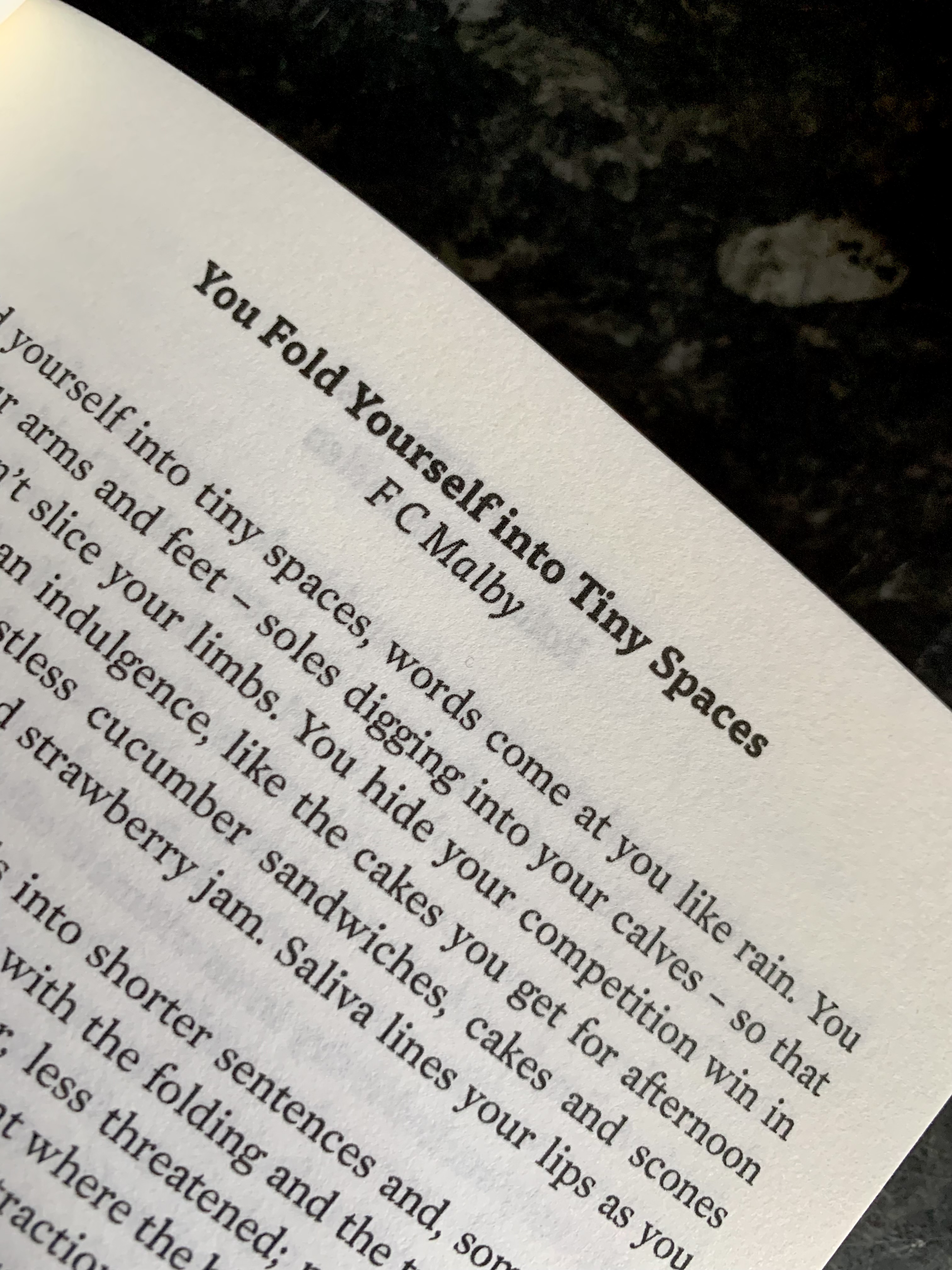
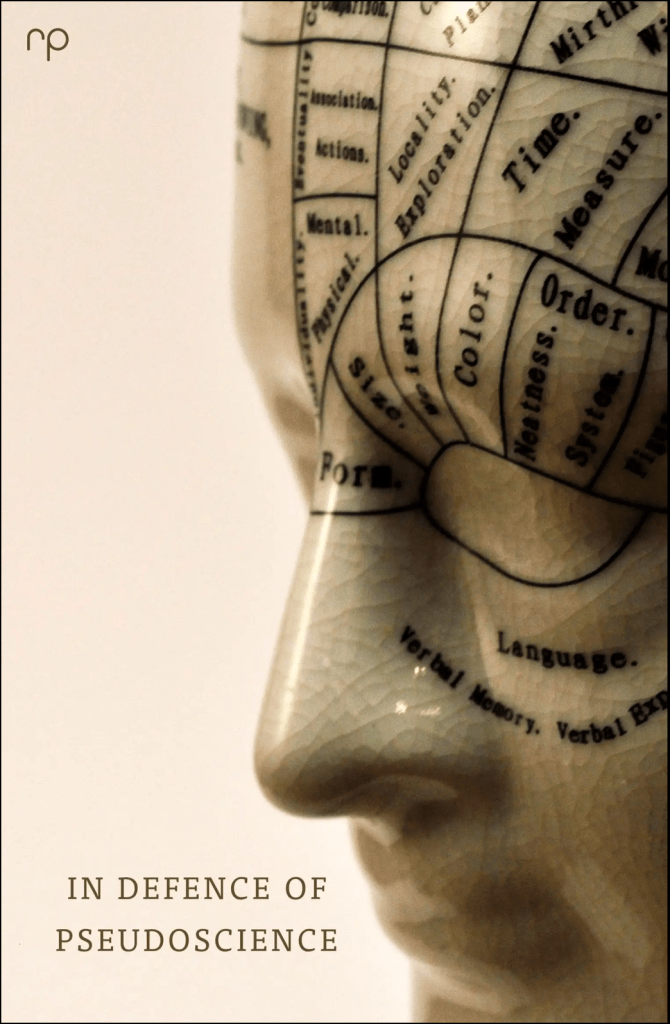
My story, You Fold Yourself into Tiny Spaces, was longlisted in the Reflex Press International Flash Fiction Competition in 2021. It has just been released in their anthology, In Defence of Pseudoscience: Volume Five, Reflex Press, July 2022. My contributor copy arrived this morning, along with a copy of the London Review of Books. I’m very much looking forward to reading stories from fellow contributors.

You can purchase a copy directly from Reflex Press. Keep your eyes peeled for more exciting book information to be released this week from Linen Press. I can’t wait to share news about my latest psychological thriller with you! Pop back soon…

New Reflex Press Anthology

In Defence of Pseudoscience: Reflex Fiction Volume Five, Reflex Press, 28 July 2022

I have a short story in this anthology from Reflex Press. You Fold Yourself into Tiny Spaces was longlisted in the Reflex Press Quarterly International Flash Fiction Competition in 2021. I’m honoured to be published alongside so many wonderful authors. It will be released on 28 July, but can be preordered from Reflex Press.

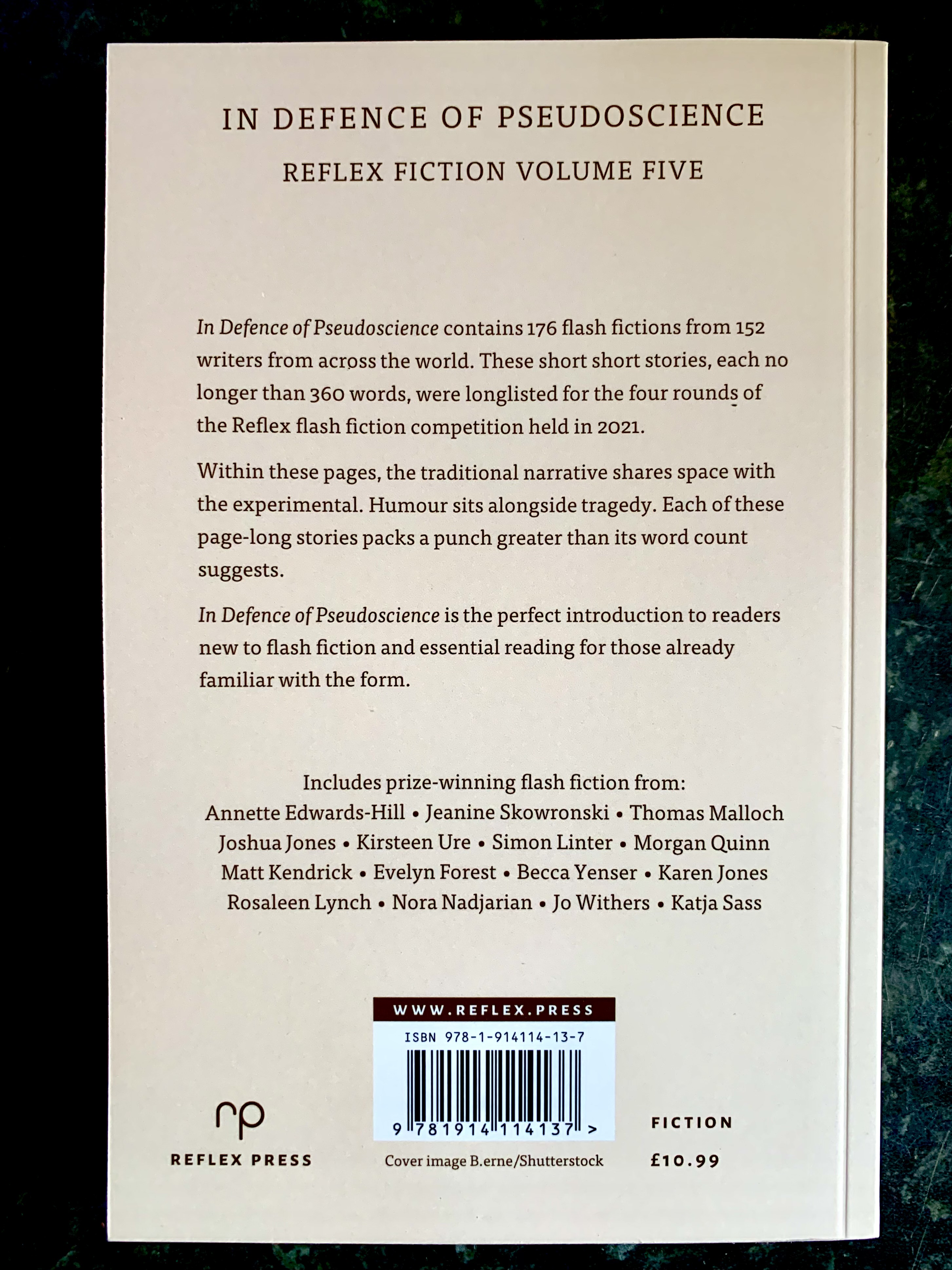
In Defence of Pseudoscience contains 176 flash fictions from 152 writers from across the world. These short short stories, each no longer than 360 words, were longlisted for the four rounds of the Reflex flash fiction competition held in 2021.

Within these pages, the traditional narrative shares space with the experimental. Humour sits alongside tragedy. Each of these page-long stories packs a punch greater than its word count suggests.

In Defence of Pseudoscience is the perfect introduction to readers new to flash fiction and essential reading for those already familiar with the form.

Includes prize-winning flash fiction from Annette Edwards-Hill, Jeanine Skowronski, Thomas Malloch, Joshua Jones, Kirsteen Ure, Simon Linter, Morgan Quinn, Matt Kendrick, Evelyn Forest, Becca Yenser, Karen Jones, Rosaleen Lynch, Nora Nadjarian, Jo Withers, and Katja Sass.

This One Wild Place Book Launch with Avril Joy

Costa Short Story Award winner, Avril Joy, is both a wonderful writer and a great supporter of authors. We met online some years ago and she endorsed my collection, My Brother was a Kangaroo. Avril is a lovely person and a true creative mind. She invited me to her online launch of this One Wild Place, on 27 October, which was a really inspirational event, filled with readings, questions and discussion and hosted by her publisher, Linen Press.

This new collection of stories from Avril brings together her finest published and unpublished work. From the Costa winning Millie and Bird to the recent A Morning Tide, listed for the Fish Short Memoir Prize, she weaves narratives of hope in the face of loss, transformation and redemption, and the enduring power of love. Combining a poet’s gift for language with a keen naturalist’s eye, she journeys across landscapes from Venice to the East Anglian Fens, from Cape Cod to the shore temples of Mahabalipuram. This One Wild Place, a novella set on a northern hill farm during the pandemic, echoes the mood of the other stories. Moving and poignant it is told with an unerring compassion. She explores first love, families, marriage, childhood, mothering, social class, escape, gardens, birds, seas, tides and stray dogs. These stories are about the wild places we call home.

At the book launch, Avril read beautifully from the beginning of How the River Breaks Your Heart, and from A Morning Tide, her creative memoir, while editor, Lynn Michell, who hosted the event, asked some interesting questions about the connecting themes and issues between her short-form and long-from writing, as well asking Avril what a sense of place means to her as an author, given the strong sense of place within the stories, which are deeply rooted in physical surroundings that are often as important as the characters.

There were recurring themes in her reading, including dogs and water. Her childhood days spent playing near the water on the Somerset Levels, where many people drowned each year, are reflected in her writing. Another strong influence in Avril’s work is her experiences of twenty-five years of working in HM Low Newton, County Durham, as a Prison Governor, where she began teaching and says she, “became deeply involved with the women and their lives, and in many ways that never leaves me. I see it creep in again and again, often through the back door, into what I write.” I am currently reading and am deeply moved by her poetry collection, Going in With Flowers, borne out of her experiences at Low Newton and the lives of the women she met there. Through this collection, Avril gives voice to the lives of the prisoners, exploring through poetry and prose the daily going in through locked gates to meet darkness and pain as well as laughter and hope.

This One Wild Place is set in the time of the pandemic. Lynn asked Avril how Covid influenced the story and her writing. Avril talked about the joy of being able to tuck herself away and immerse herself in her writing, without negating the obvious challenges of the pandemic for many people.

Lynn also raised the issue of the uncanny similarity between Sometimes A River Song and Where the Crawdads Sing. Both have a strong watery backdrop, both have a wild heroine with an unusual narrative voice, both use literacy as the escape route from a patriarchal society. With Where the Crawdads Sing going on to sell 11 million copies and being made into a major film, Lynn asked Avril if it troubles her that Sometimes A River Song has been less in the limelight. Pay cheque disparities aside, Avril highlighted the positive and personal aspects of working with an editor who she has got to know really well, and of working with a small press in terms of her own author input into cover design and other aspects of book publication. Avril has had experience of contracts with larger publishers and says she wouldn’t switch. Lynn is enthusiastic, experienced, personable and is also a writer!

Through her writing, Avril displayed her well honed skill of being able to draw the reader into a world that is entirely unique through her descriptive, lyrical prose. She has a way of describing people and places that leaves you with an understanding of the narrative as much through what is left unsaid as the words written on the page. Her observations and descriptions of the small details are astute and razor-sharp. She clearly has a deep understanding of the human condition, of love and loss, and of what makes people different and similar.

If you haven’t been acquainted with her work, I would highly recommend her writing. You can find her books here.

About Avril: Avril Joy is a short story writer, novelist and poet. Born in Somerset, she has travelled widely in India, Kashmir and Nepal. She was a Prison Governor in a women’s prison in County Durham and was awarded a Butler Trust Travel Award for ‘an outstanding contribution to prison care.’ It was here in 1999 she met the Writer-in-Residence and was inspired to write. Her short fiction has appeared in literary magazines and anthologies, including Victoria Hislop’s, The Story: Love, Loss & the Lives of Women. Her work has been shortlisted in competitions including, the Bridport, the Manchester Prize for Fiction and The Raymond Carver Short Story Prize in the USA. In 2012 she won the inaugural Costa Short Story Award. Her latest novel, Sometimes a River Song, published by Linen Press, won the 2017 People’s Book Prize. In 2019 her poem Skomm won first prize in the York Literary Festival Competition. She posts regularly on her blog http://www.avriljoy.com/

About Linen Press: Linen Press is a small, independent publisher run by women, for women. They are the only indie women’s press in the Uk and encourage and promote women writers, giving a voice to a wide range of perspectives and themes that are relevant to women. Linen Press rejoices in the differences in female creative voices, publishing books that are diverse, challenging, and surprising. The collective background of writers is a multi-coloured patchwork of cultures, countries, ages and writing styles.

Established in 2005.

Finalist 2015 Women In Publishing Pandora Award.

Shortlisted 2019 Most Innovative Publisher Saboteur Awards.