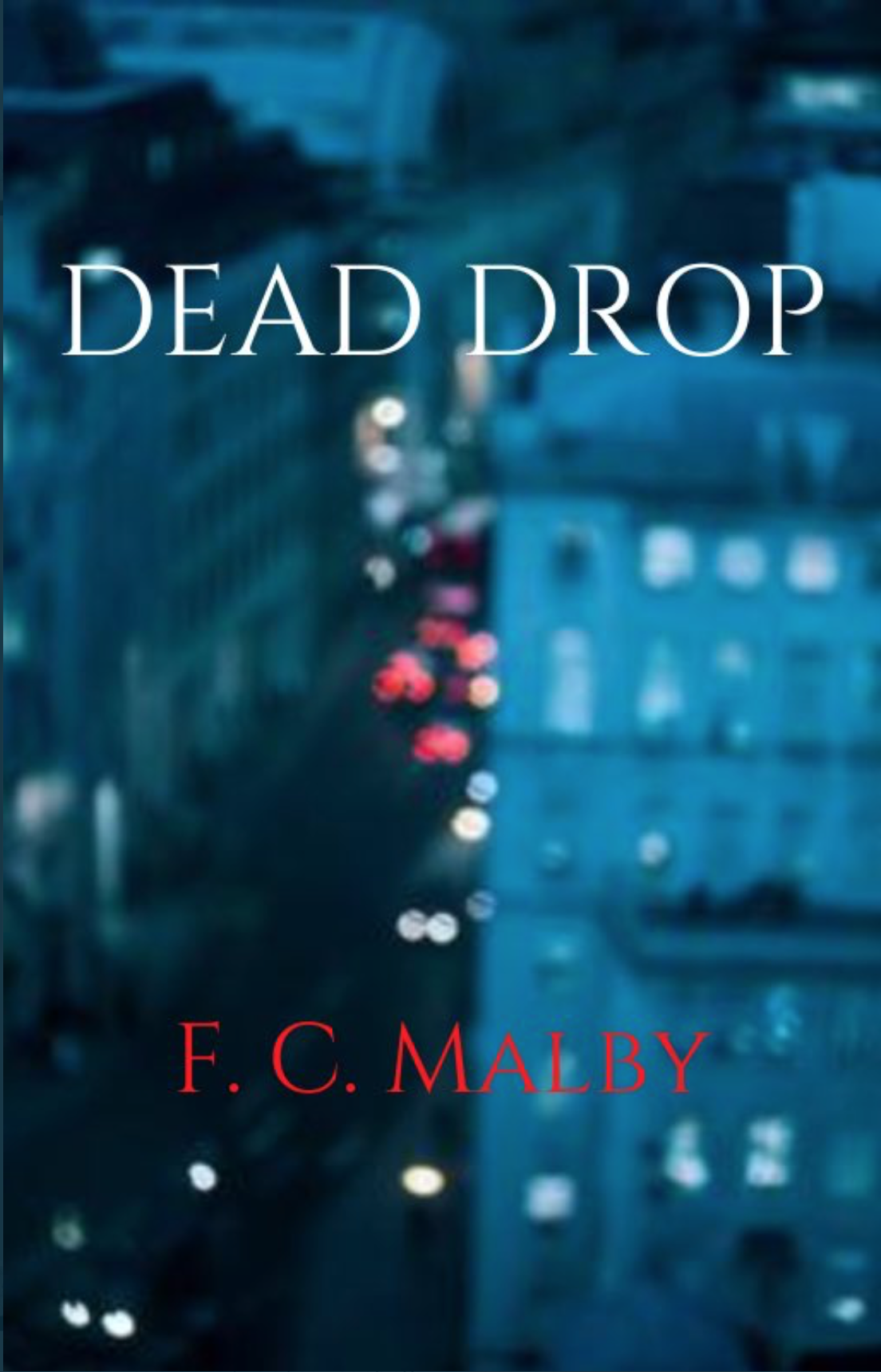
The cover for my second novel, Dead Drop, has just been released by Linen Press.
This fast-paced, intelligent thriller exposes the undercover world of art heists and takes us on a journey through Vienna’s galleries and museums until skilled art thief, Leisl, comes up against a truth that makes her question everything she knows.
Linen Press will be releasing news about my next book, a psychological thriller about the art underworld, this week! Follow @linenpress on Twitter and Instagram for updates…
REFLEX PRESS
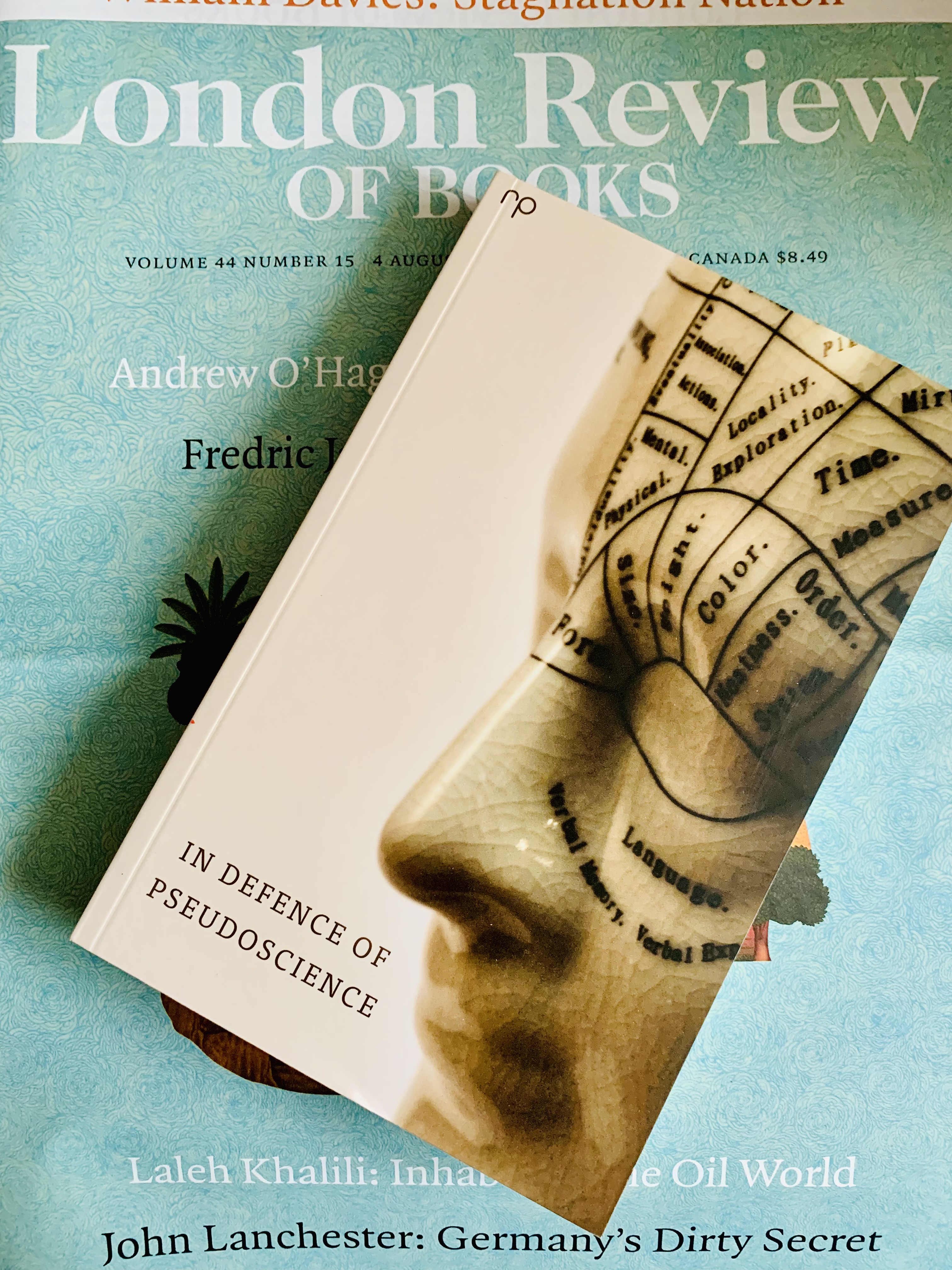
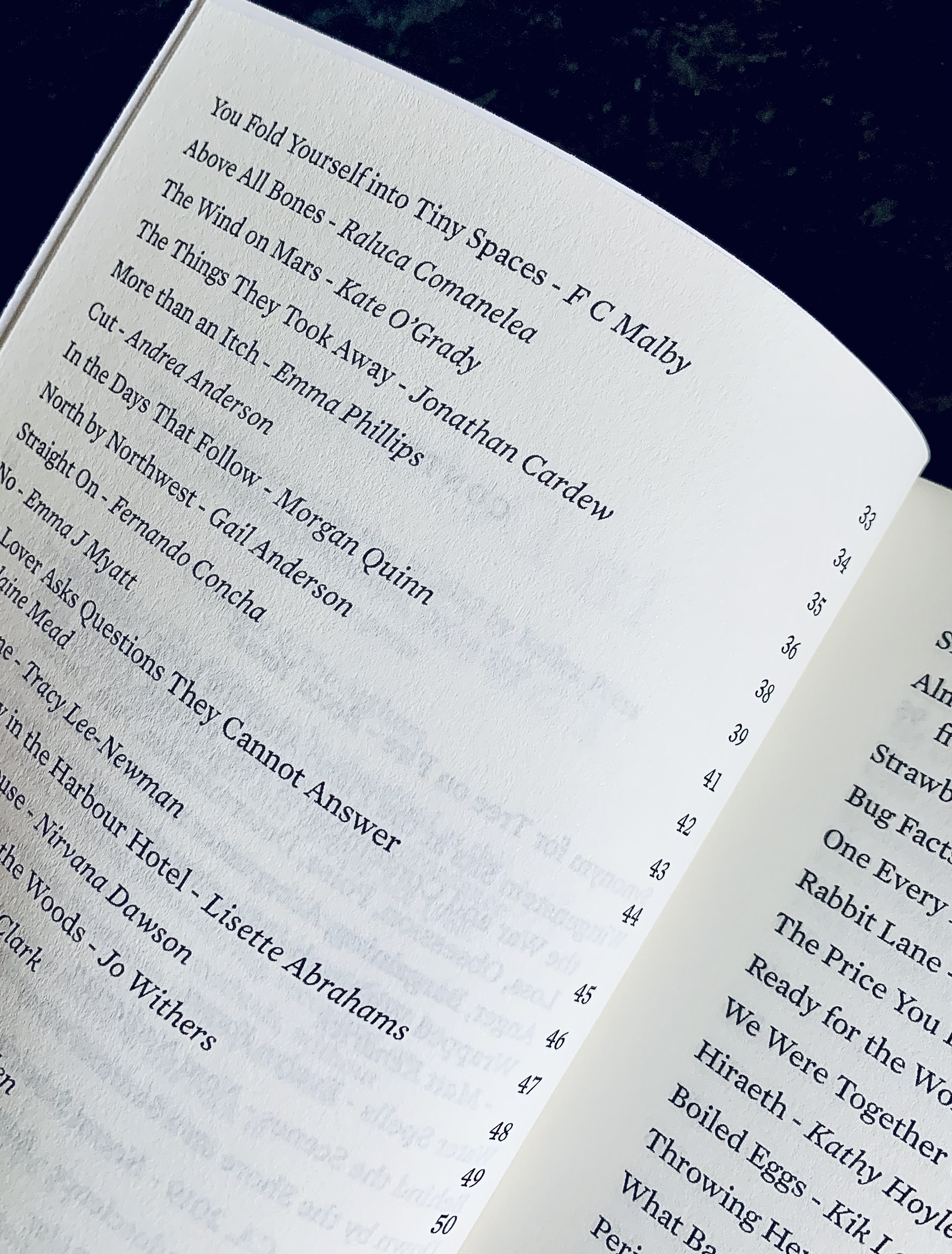
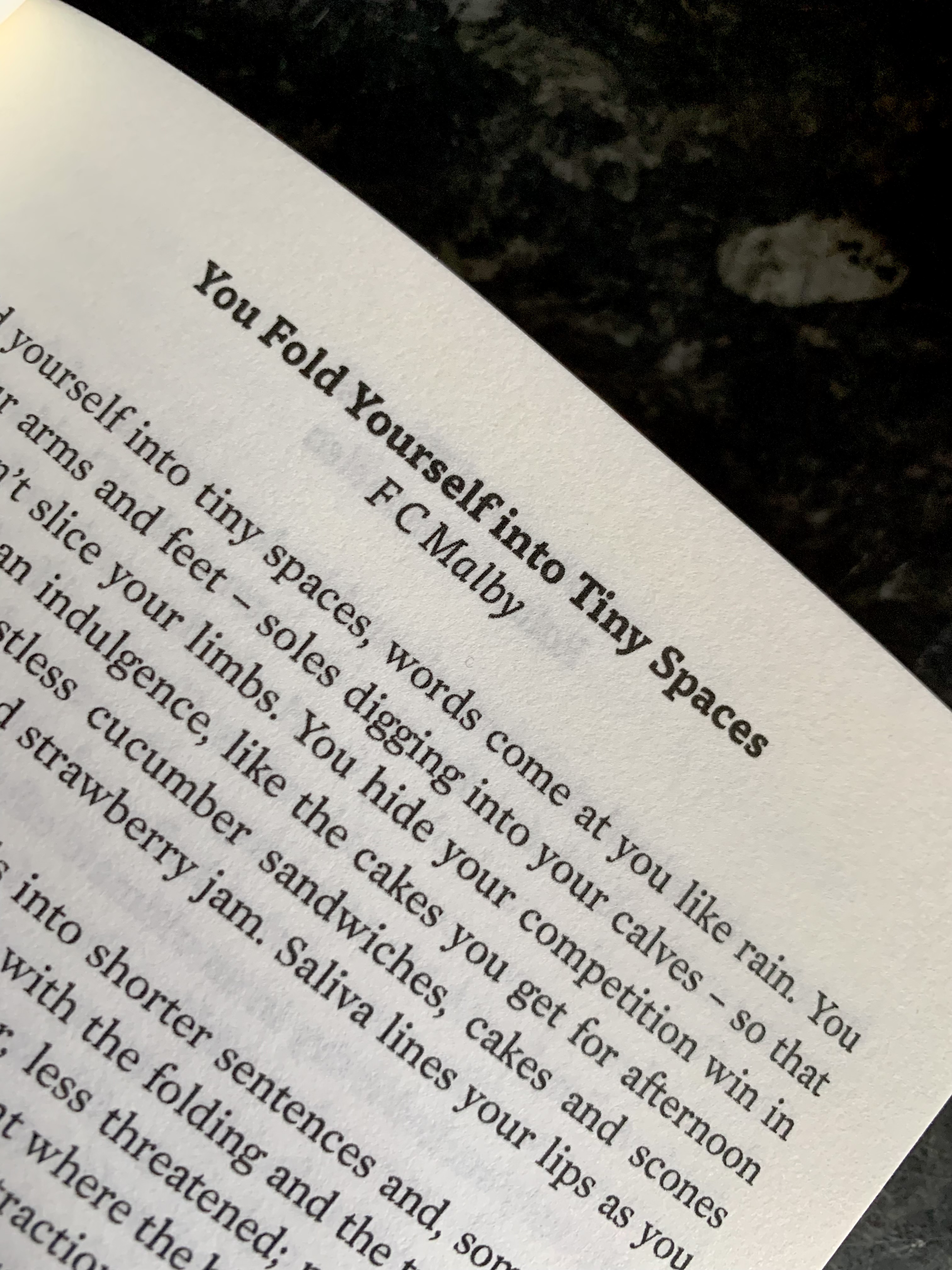
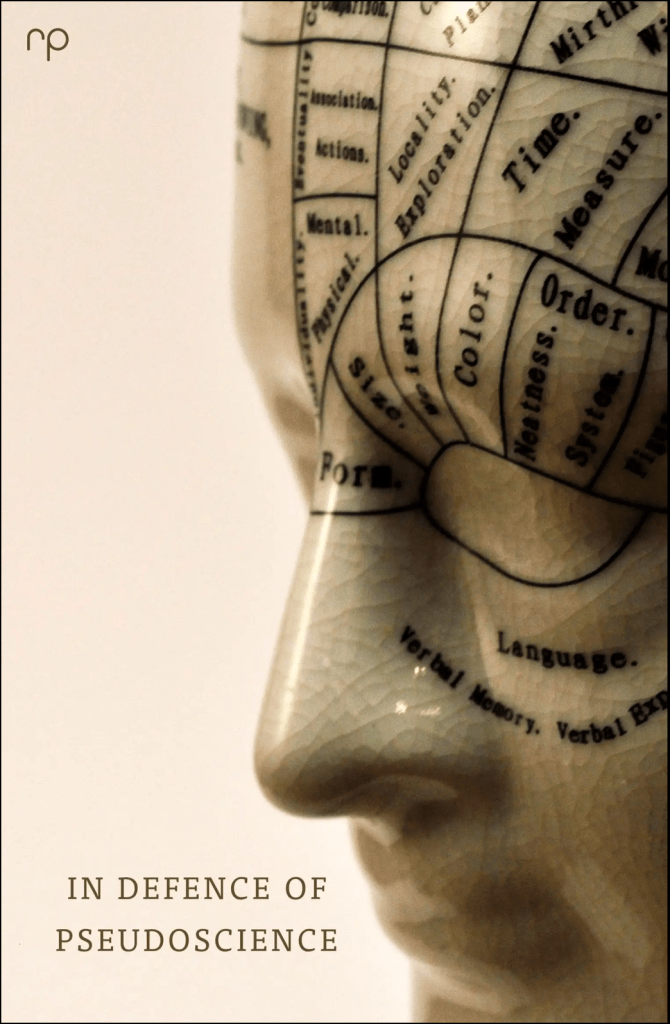
My story, You Fold Yourself into Tiny Spaces, was longlisted in the Reflex Press International Flash Fiction Competition in 2021. It has just been released in their anthology, In Defence of Pseudoscience: Volume Five, Reflex Press, July 2022. My contributor copy arrived this morning, along with a copy of the London Review of Books. I’m very much looking forward to reading stories from fellow contributors.
You can purchase a copy directly from Reflex Press. Keep your eyes peeled for more exciting book information to be released this week from Linen Press. I can’t wait to share news about my latest psychological thriller with you! Pop back soon…
Light flickers through a chink in the window. Moths dance outside in the low evening light, try to find their way inside, the way children scramble to reach the popcorn. You think about how people try to find ways out of things and ways in, and about the constantly changing landscape of life.
Some scramble for the light, leaving at dawn, while others remain. You wonder who controls the opening and closing of windows, the turning of the leaves, the inner turmoil that drives some to make the decisions that they do. You try to fix them but some things are not fixable, not your
responsibility. Three moths have found their way in through the chink and are dancing around the table lamp. You wonder how many more will arrive and how many will stay. Remaining through troubled times, staying in the building, that’s the hard part. Some leave
when it gets too hot, others leave because they are uncomfortable in their own skin. You wait for the moths to leave near dawn, after they have settled in the warmth, then close the window and watch the sun appear, feel its warmth against flesh. And you know that if you travel lightly, allowing the sand to sift through your fingertips
the right ones will remain in first the morning light.
FC Malby is a contributor to Unthology 8 and Hearing Voices: The Litro Anthology of New Fiction. Her work is forthcoming in the Reflex Press Anthology, Vol. 5. Her poetry has been published in Spillwords Press, Sledgehammer Lit and Unpublishable Zine. Her social media handle is @fcmalby.
In Defence of Pseudoscience: Reflex Fiction Volume Five, Reflex Press, 28 July 2022
I have a short story in this anthology from Reflex Press. You Fold Yourself into Tiny Spaces was longlisted in the Reflex Press Quarterly International Flash Fiction Competition in 2021. I’m honoured to be published alongside so many wonderful authors. It will be released on 28 July, but can be preordered from Reflex Press.
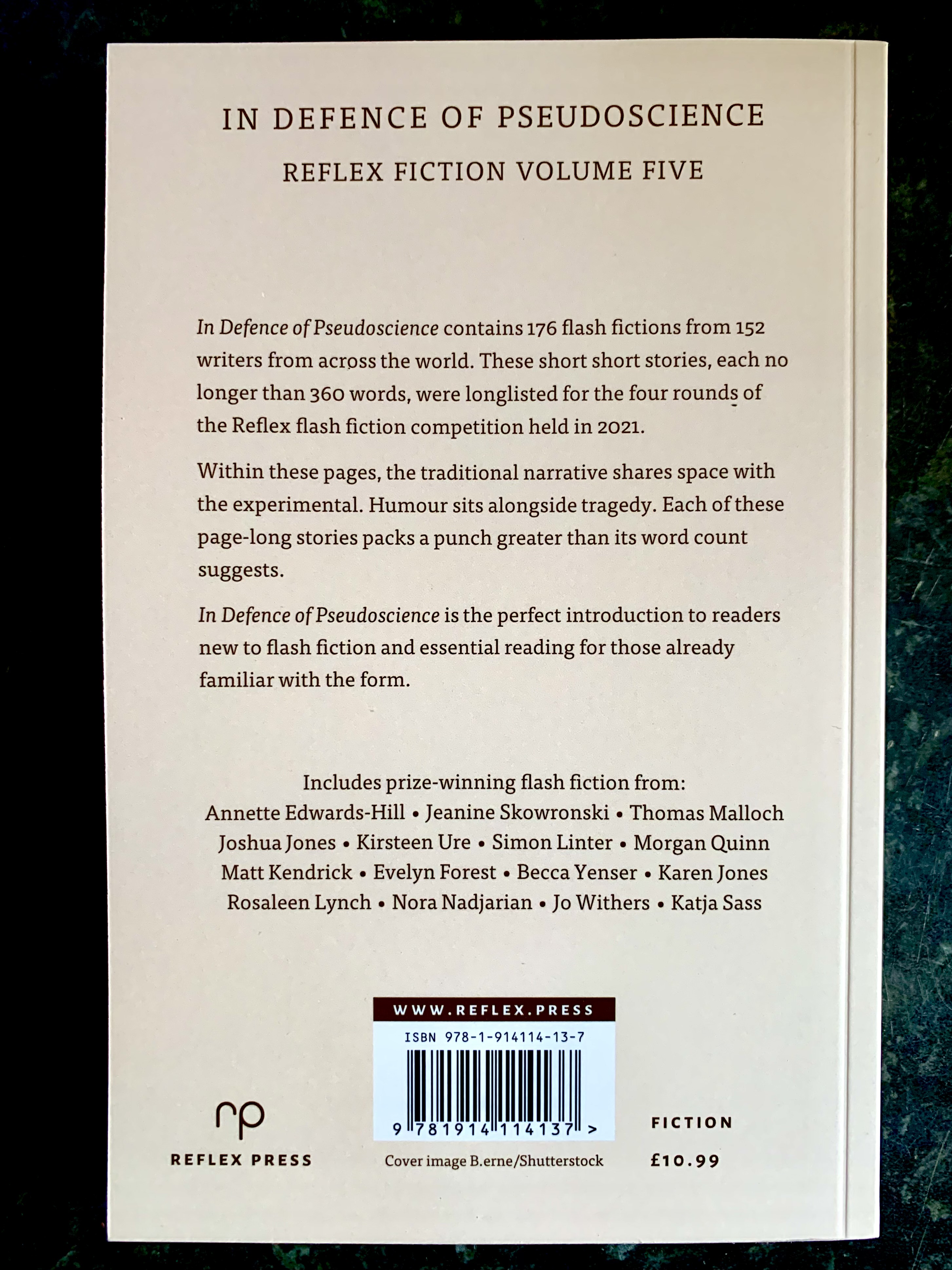
In Defence of Pseudoscience contains 176 flash fictions from 152 writers from across the world. These short short stories, each no longer than 360 words, were longlisted for the four rounds of the Reflex flash fiction competition held in 2021.
Within these pages, the traditional narrative shares space with the experimental. Humour sits alongside tragedy. Each of these page-long stories packs a punch greater than its word count suggests.
In Defence of Pseudoscience is the perfect introduction to readers new to flash fiction and essential reading for those already familiar with the form.
Includes prize-winning flash fiction from Annette Edwards-Hill, Jeanine Skowronski, Thomas Malloch, Joshua Jones, Kirsteen Ure, Simon Linter, Morgan Quinn, Matt Kendrick, Evelyn Forest, Becca Yenser, Karen Jones, Rosaleen Lynch, Nora Nadjarian, Jo Withers, and Katja Sass.
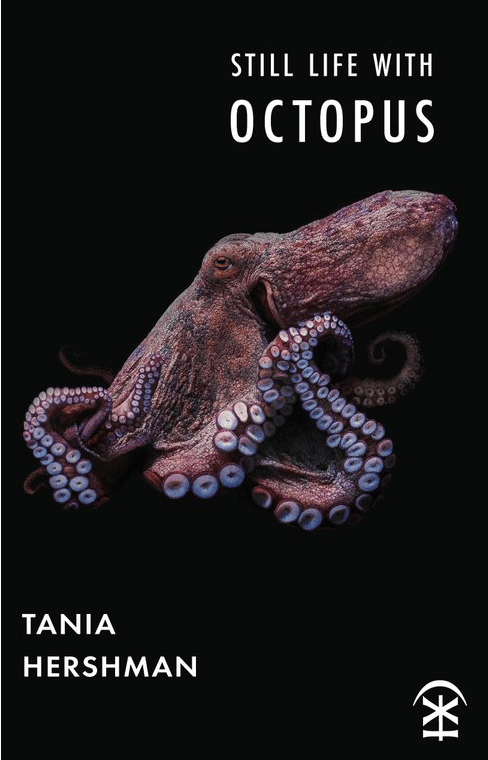
Tania Hershman’s second collection of poems, published by Nine Arches Press, explores the boundaries between animal and human, the worlds in which they live and the spaces they inhabit. Tania has this innate ability to find words that rest in the liminal spaces, almost like entering a Moroccan Souk, travelling through mazes of interlinking pathways, where you find intriguing treasures around each corner. It’s a journey into the unknown, the unexplored, and is a place that’s hard to leave, where the things you discover will remain in your mind long after the poem ends. It’s a magical, mystical experience.
‘What if you didn’t know what night was, landing here. What if you’d never heard of light.’
This enticing opening line, a questioning of reality, sets the tone for what is to follow. We explore time and space, the space within which and octopus can enter, remain, shape shift or escape. These poems explore the edges of mind and body, and the connections between the two in ways that will leave you resting on a particular word or phrase. She challenges our ideas of reality and meaning, our thoughts and feelings.
‘And what if the octopus could talk. And what if they turned to us and said, Enough with all the jars, and the tests of what we can get into and get through. You’ve seen what we can do.’
Each poem shifts the way an octopus changes its colour, reflecting its mood, yet there is a thread that connects many of the poems – the nature and shape of the heart, all that is hidden, the confines of space and the way that some things need to be released, or remain hidden.
‘And the body, too, has things it will never tell.’
The indefinite changes of the octopus are mirrored in the shifting of poems across the pages. There is something almost tidal about the ebb and flow of patterns. That the octopus is able to escape from a closed jar with such ease engages the reader with the idea that words can change and move within the confines of the structure of a poem. The fluidity of the words aid the journey as you travel through the pages.
‘I worry about where my heart is now, did it even reach you? Let go, whispers the octopus in my chest. These things are not in your control.’
The title poem, Still Life With Octopus, made me catch my breath, the words, ‘let go’, echoing through my mind. There is a literal and metaphorical letting go of expectations and of the boundaries you thought you understood. She creates a freedom with words and worlds where anything seems possible, exploring new possibilities and leaving the reader to ponder where the journey will take them.
A gifted writer and a wonderful short fiction teacher, her skilful mastery of words and her eye for the unseen reaches new heights in this stunning collection. With an extensive background in Science, including an MSc in Philosophy of Science, Tania’s research naturally seeps onto the page and into the words and worlds that she creates. This book is a thing of beauty; it’s a pure treasure and a collection that you will want to re-explore again and again.
Tania Hershman’s second poetry collection, Still Life With Octopus, will be published by Nine Arches Press in July 2022 and her debut novel, Go On, by Broken Sleep Books in Oct 2022. Her poetry pamphlet, How High Did She Fly, was joint winner of Live Canon’s 2019 Poetry Pamphlet Competition and her hybrid particle-physics-inspired book ‘and what if we were all allowed to disappear‘ was published by Guillemot Press in March 2020. Tania is also the author of a poetry collection, a poetry chapbook and three short story collections, and co-author of Writing Short Stories: A Writers’ & Artists’ Companion (Bloomsbury, 2014). She is co-creator of the @OnThisDayShe Twitter account, co-author of the On This Day She book (John Blake, 2021), and has a PhD in creative writing inspired by particle physics. www.taniahershman.com


 F C MALBY
You must be logged in to post a comment.