The Power of Character-Driven Stories

One of the questions I’m most frequently asked as a writer is, ‘do you focus on plot or character?’ I predominantly write thrillers, so character is particularly important and often drives the story line (the plot). Jana in Take Me to the Castle and Leisl in Dead Drop are strong female protagonists. Their thoughts, lives and actions drive the plot.

It works well for short stories, particularly given the brevity of the craft and the constraints of needing to hook a reader quickly, drawing them into a story. When the reader is engaged with the character, they are more likely to engage with the story and understand the motives driving the character’s decisions and actions.

When a reader knows what a character has experienced and understands their weaknesses and specific character traits, the story makes more sense and the reader wants to go on the journey with them.

Who your characters are is much more intriguing than what they do in a character driven story. We don’t engage with perfection as readers, we engage with vulnerability. Vulnerability leads to trust and connection.

It works with fictional characters in the same way as in real life. The writer’s job is to make the reader care, and the most effective way to do this is to highlight a character’s fears, vulnerabilities, and internal conflicts. I’ve written more about this in other posts on plot writing here and here, as well as on the narrative arc.

Examples of character driven stories…

Of Mice and Men

Crime and Punishment

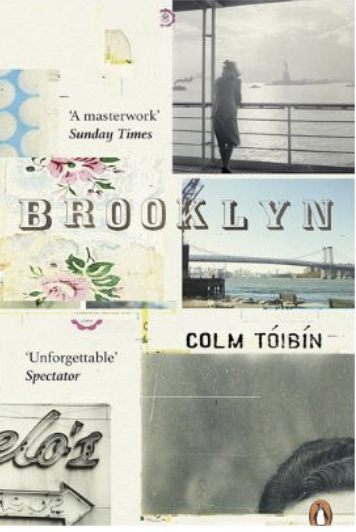
Brooklyn

A Man Called Ove

Eleanor Oliphant is Completely Fine

Story is Everything

Here are 25 thoughts on creating stories, in no particular order:

  1. A lot of things have beginnings, middles and ends — but that doesn’t make them stories.
  2. True stories have two parts: first something bad happens, second something bad is fixed (or a fix is at least attempted)
  3. Plot-driven and character-driven stories don’t really exist; all stories are conflict/tension driven.
  4. Suspense, tension, conflict — these things shouldn’t be limited to specific genres.
  5. Asking what happens next is probably the wrong question.
  6. Asking what is my character’s goal (or what does my character want) is probably a better question.
  7. Better yet: what can go wrong now?
  8. Ticking clocks give your story a deadline and a destination. Also, tension. Can’t ask for much more.
  9. Give your characters some story-level goals, i.e., decide what it is they want, have them go after it, and the plot will almost fill itself in.
  10. Storytelling is a timeless human instinct — trust and embrace your natural ability.
  11. Tell your stories like you’re talking to just one person — an audience of one is the right number.
  12. Start with the end, and you’ll stay on track.
  13. Most stories start too early.
  14. Many stories end too late.
  15. Stakes are essential. Usually the higher the better.
  16. In real life, we avoid conflict because it sucks. In your stories, you must embrace, chase it even.
  17. Things can always get worse — we’ll probably enjoy reading that more anyway.
  18. Not all stories have to have happy endings, neat little bows are for packages.
  19. A good story doesn’t preach or moralize — it connects and resonates.
  20. Good stories leave out the unimportant parts.
  21. You have more stories to tell than you realize. Trust. Yourself.
  22. Complex isn’t necessarily better. Some of the most powerful stories and pretty simple.
  23. Trying for theme will kill a story — theme comes last.
  24. Plot is as simple as putting one foot in front of the other.
  25. And then? Keep asking until you figure it out.

This is reblogged from Justin Mclachlin’s blog.