Using Photographs as Writing Prompts for Short Fiction

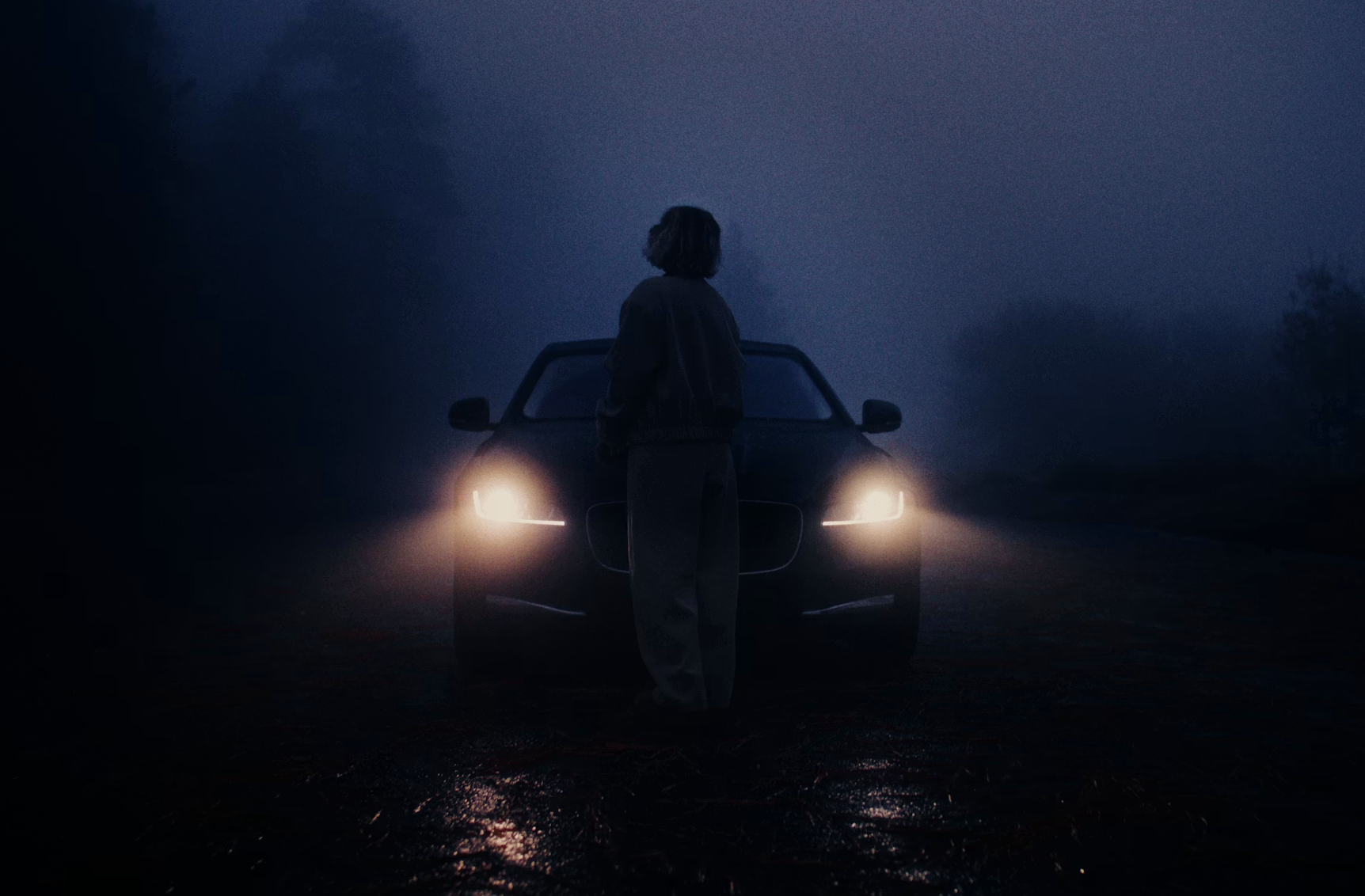
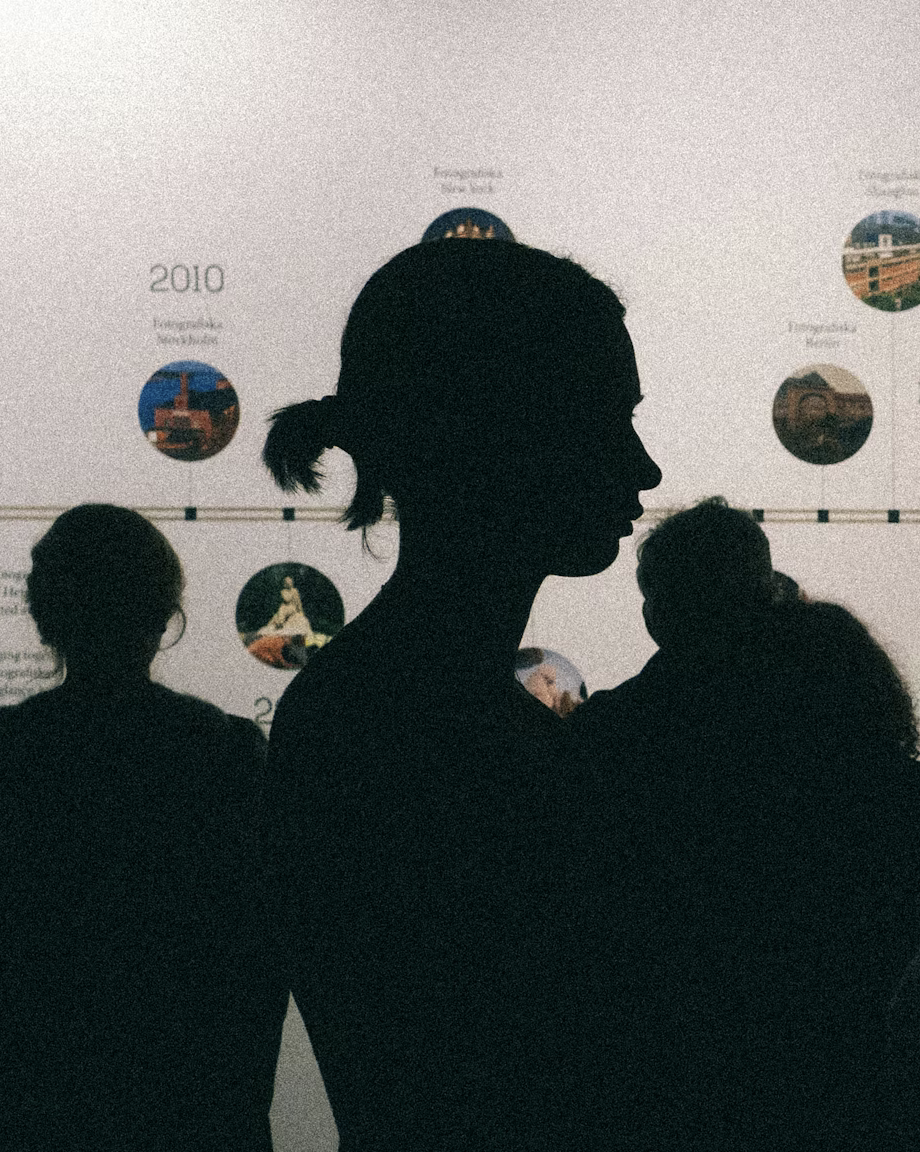
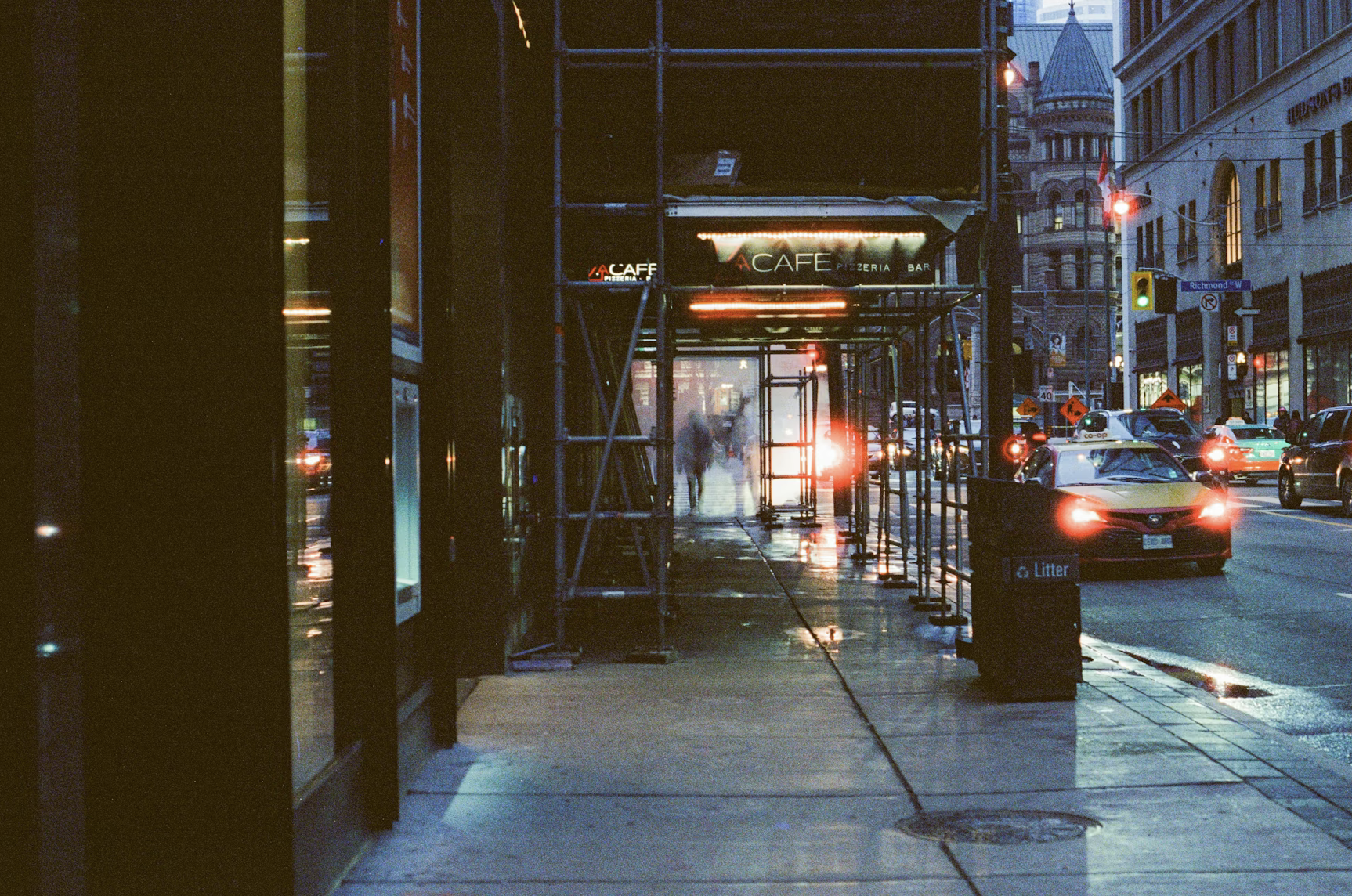
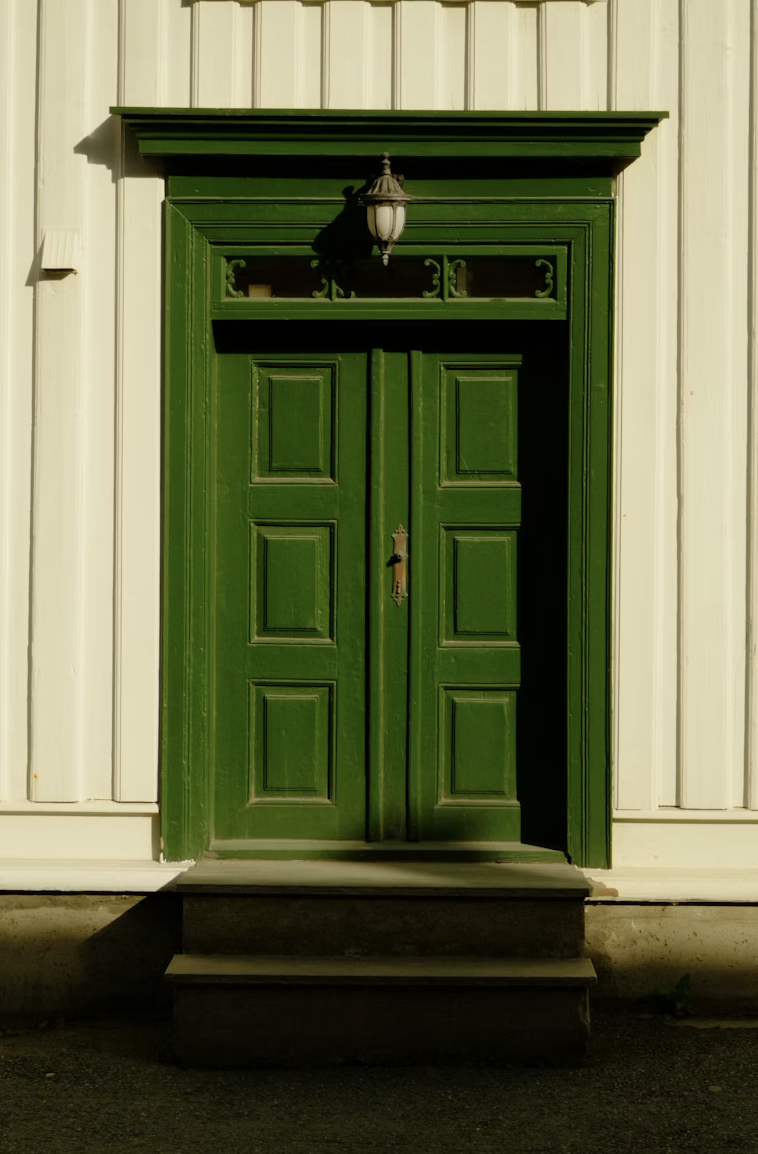
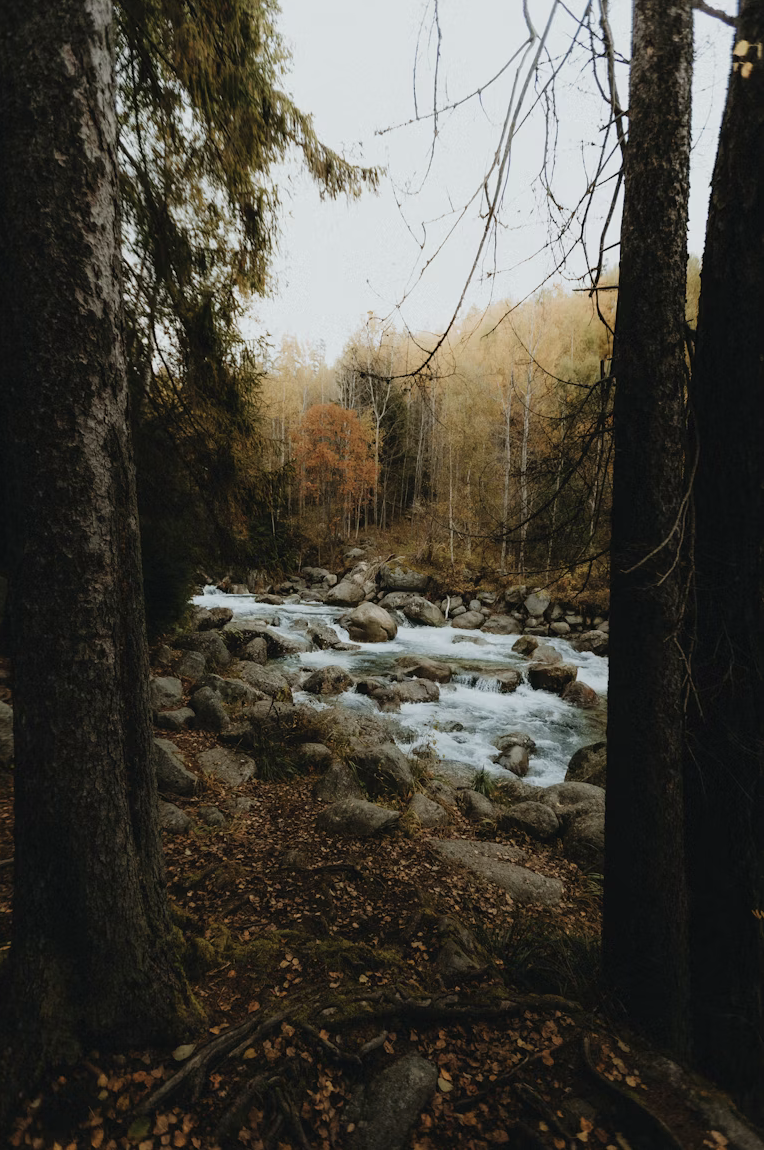
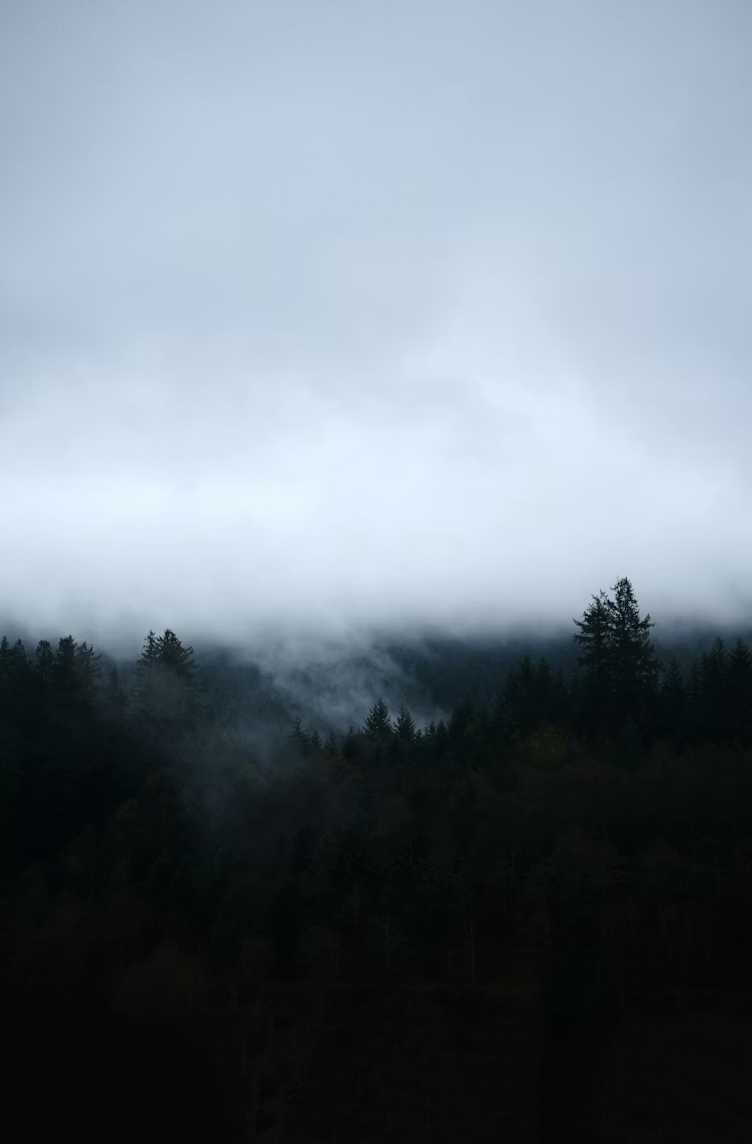
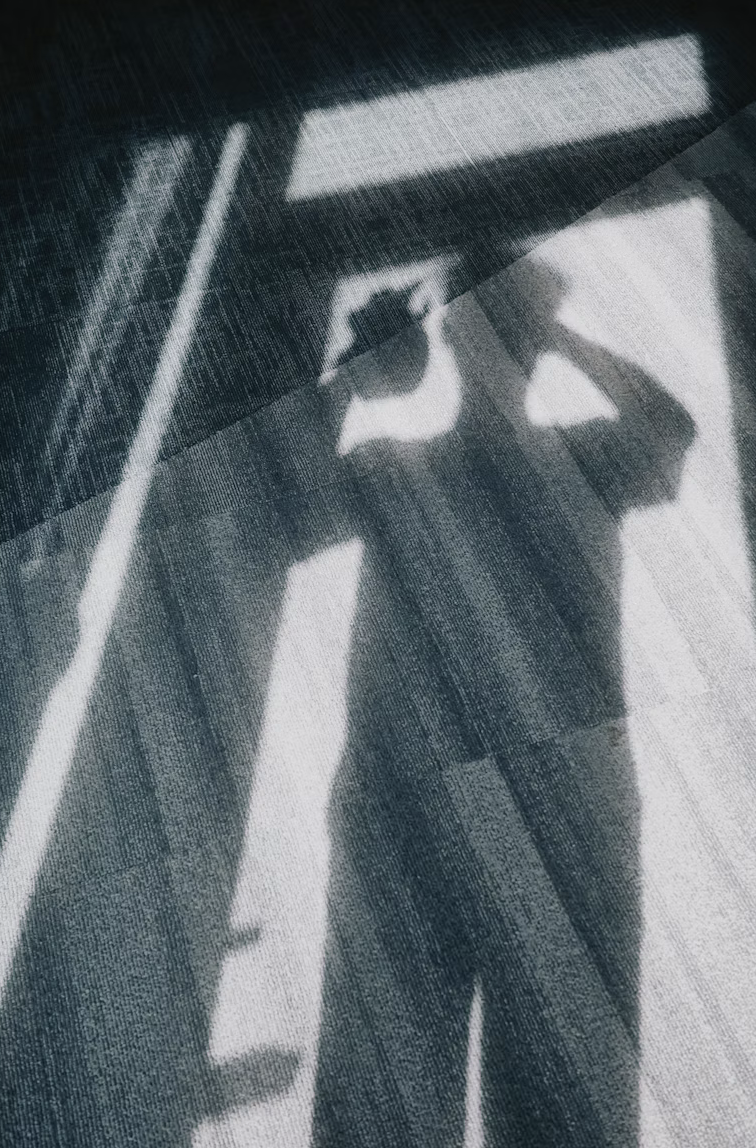
Lots of people ask me where I get my ideas from when writing fiction. The answer remains elusive. As a photographer, I find much inspiration from snippets of every day life that are captured in photographs. Scenes from life, interactions, a moment in time. These all form the seeds of an idea.

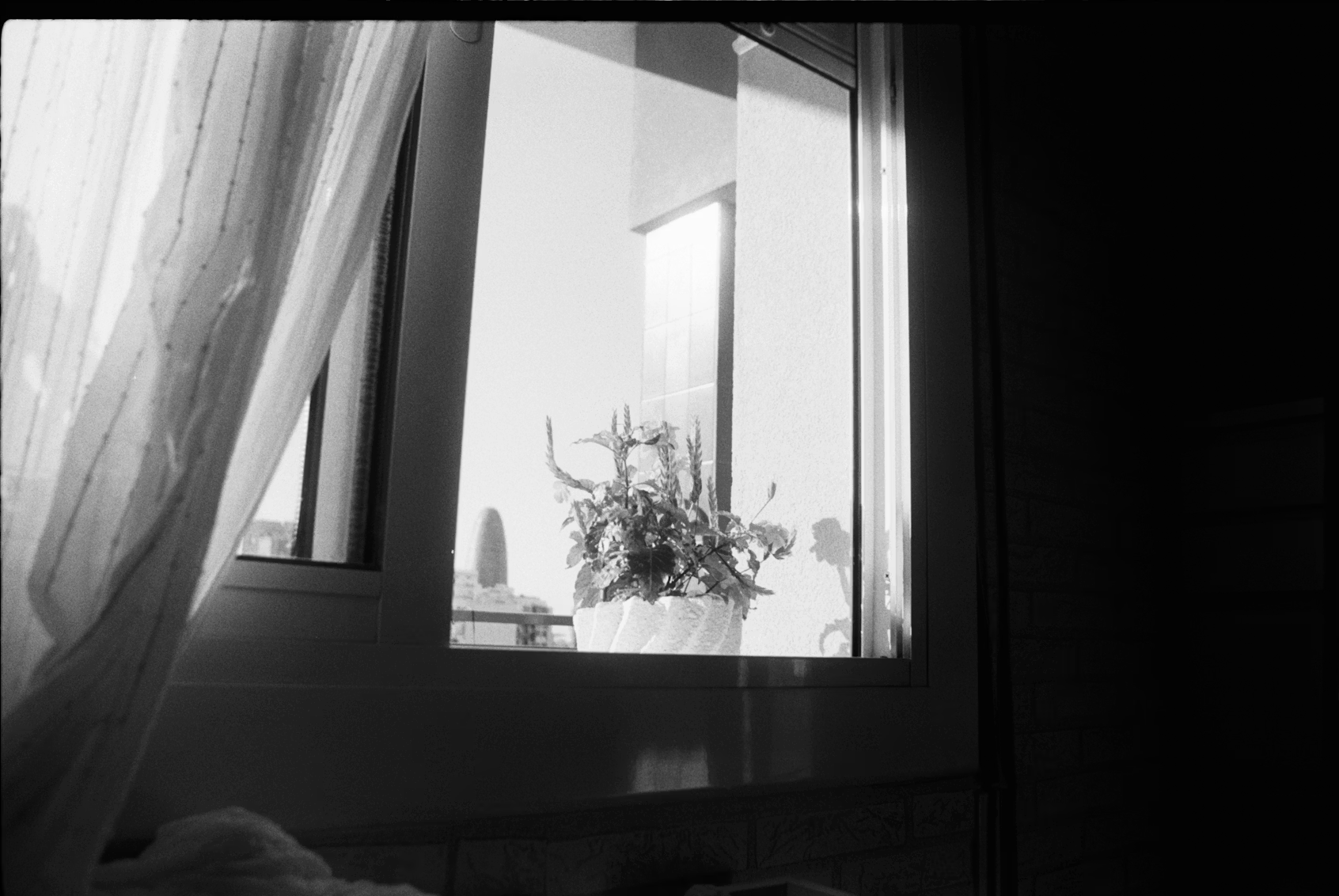
I find black and white images particularly striking. Ted Grant famously said, “When you photograph people in color, you photograph their clothes. But when you photograph people in Black and white, you photograph their souls!”

I use Pinterest to collect and find ideas. You can read about it in this post. I’ve gathered together a few of my favourite recent photographs from other photographers into a board of writing prompts. You can see a few of them below, but go to the board for the full range.

All photo credits: Unsplash (see my Pinterest Board for individual photographers)

There is something about a visual stimulus which can spark an idea. It also makes the writing process less daunting, particularly if you’re struggling with writer’s block.

Do you use images for inspiration in art or writing? Let me know in the comments. If you find inspiration from any of these writing prompts, I’d love to hear from you.

My Writing Journey: From Novels to Short Stories

Photo credit: Patrick Fore

WordPress sends these milestone reminders, and it’s often a good time to take stock and realise how far you’ve come as a writer. I began writing my debut novel, Take Me to the Castle, in 2007. It was published in 2012 and won The People’s Book Awards in 2013. I began writing short stories with several going on to be published in literary journals. Some won writing competitions and I was inspired by so many other writers and their stories…Alice Munro, Lydia Davis, Hilary Mantel, David Gaffney, Raymond Carver, Franz Kafka, Anton Chekhov, Ernest Hemingway.

It’s been a journey! Eight books (including two novels, two short stories and work in four anthologies) later and I still get a buzz from writing down the first words of a story, a poem, or a novel. I don’t know where the last 12 years have gone, but it’s been quite a journey. Writing, the grit required to keep going and hone your craft, along with the journey to publication, requires motivation and determination. It demands new learning and a level of discipline, but it’s also a lot of fun. The creativity, the process, it’s all part of the draw to write.

I’ve learned that you will always surprise yourself, and others. You’ll never quite know where you are going. This applies even to the most tightly planned plot! You can read more about planning, plot and structure in these posts:

Warning: Structural Work Needed – Plotting Your Novel

Permission To Not Write In A Linear Fashion?

Narrative Arc: Shaping Your Story

What’s Your First Draft Like? Author Interview

I get asked lots of questions on where I find my ideas and how I write. It’s different for poetry, short stories, flash fiction and novels. Novel writing is a marathon, not a sprint, but it also allows you more space for a story to unfold. Short stories and flash fiction, in particular, are less forgiving and no word can be wasted. You need to grab your reader in just a few hundred words, or more, or less!

I love writing. I love it as much now as I did 12 years ago. Blogging has also been a really helpful way of sharing my journey and what I’ve learned. I’ve been able to encourage new writers, connect with readers, network with people, interview authors and be interviewed. Thanks for joining me on the journey, whether you’ve just arrived (welcome!) or if you’ve been here a while. Drop any questions in the comments.

PUBLICATION DAY

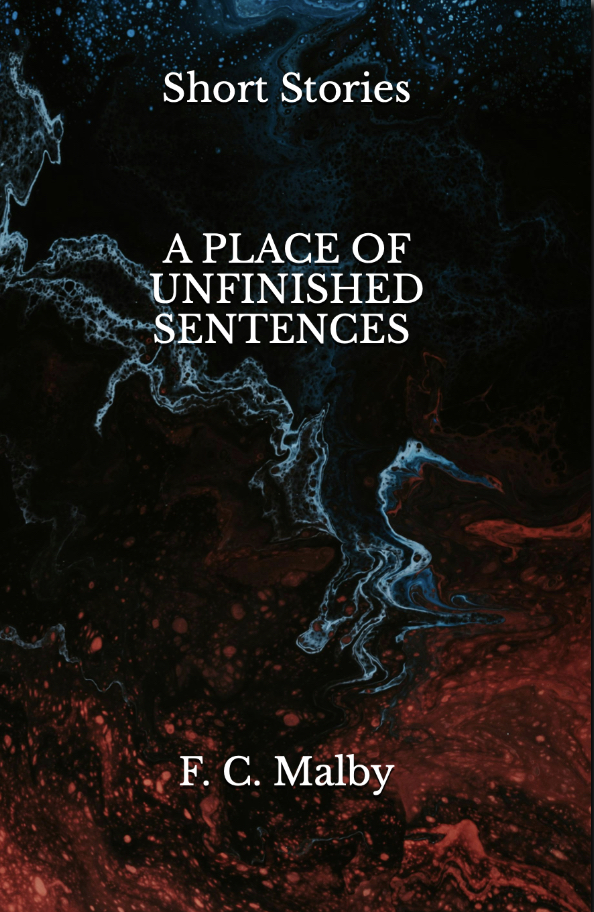
The day has arrived. It’s the release of my long-awaited second collection of short stories. Lots of you have asked when they will be available to buy and the wait is over. I’m thrilled to announce the release of a new collection of stories, many of which have been placed in competitions and published in international literary journals. Two of the stories can be found in anthologies – You Fold Yourself into Tiny Spaces was Longlisted in the Reflex Press Quarterly International Flash Fiction Competition and published in In Defence of Pseudoscience: Reflex Fiction Volume Five. Prolific was published in Pens of the Earth and is forthcoming in a Pens of the Earth Anthology in October 2024. Some of my favourite stories are new to this collection.

“Intense, beautifully realised and ice-sharp”

ABOUT THE COLLECTION:

The sentences we leave unfinished, questions surrounding sudden loss, a decision on a train. This second collection covers themes of relationships and memory, exploring what happens when memory fails. It looks at beginnings and endings, weaving through themes of generations, family, uncertainty, and what happens when experiences change us.

“F C Malby’s stories capture characters teetering on the edge of precipices in their lives, sometimes literal, sometimes metaphorical, as they decide whether or not to take a leap of faith into the unknown. These intense, beautifully realised and ice-sharp stories momentarily suspend us over an Everestian abyss.” Jonathan P Taylor, author and Senior Lecturer in Creative Writing, University of Leicester

“In this impressive collection of 65 short and very short stories, F C Malby gives us sharply honed glimpses into the profundity of the ordinary and the impact of the extraordinary. Malby’s characters deal with choices and their consequences, with themes of life passages, nature and the sea. Her prose is strong with much implied and left to the interpretation of the reader. Highly recommend.” Barbara Byar, novelist, short story author and Fiction Editor, Variant Literature

You can purchase my second collection of short stories, A Place of Unfinished Sentences, in paperback and as an eBook https://www.amazon.co.uk/dp/B0DFW6BPMW

Two forthcoming Book Releases in 2024

I have some exciting news! There are two new books being released this year, both include my short stories. As an author, it’s such an amazing feeling when your work is about to be released into the hands of readers around the world. I love hearing reader feedback and discovering what resonates with individuals.

Since the release of my first novel in 2012, I have had a second novel published, a short story anthology (soon-to-be two) and work published in three anthologies (soon-to-be four) I have also had many stories and poems published in literary journals worldwide and some competition winners. I was asked to read for a writing competition for a journal and have given readings and led writing workshops. It never gets odd. I still love writing and engaging with readers.

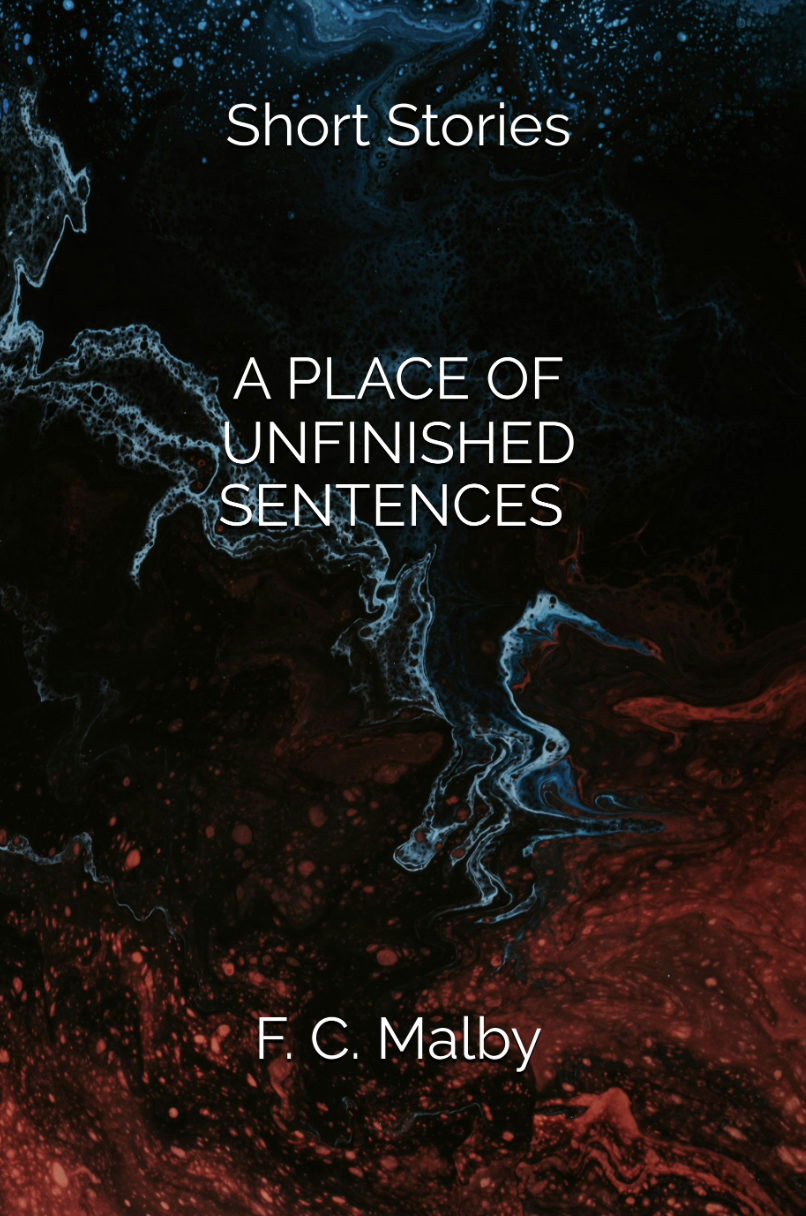
The first book is my second collection of short stories, A Place of Unfinished Sentences.

The sentences we leave unfinished, questions surrounding sudden loss, a decision on a train. This second collection covers themes of relationships and memory, exploring what happens when memory fails. It looks at beginnings and endings, weaving through themes of generations, family, uncertainty, and what happens when experiences change us.

“F C Malby’s stories capture characters teetering on the edge of precipices in their lives, sometimes literal, sometimes metaphorical, as they decide whether or not to take a leap of faith into the unknown. These intense, beautifully realised and ice-sharp stories momentarily suspend us over an Everestian abyss.” Jonathan P Taylor, author and Senior Lecturer in Creative Writing, University of Leicester

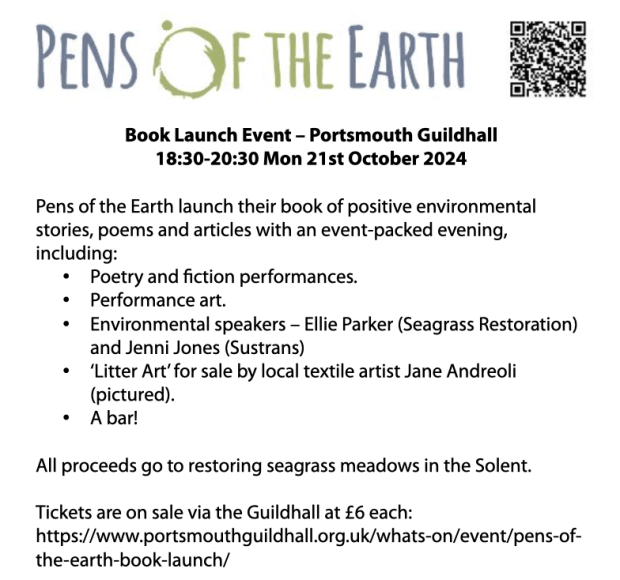
The second book that I want to share with you will be published by Pens of the Earth, who are launching a collection of stories, poems and environmental articles on 21st October 2024. My short story, Prolific, will be in with many others with all profits from book sales going to the Solent Seagrass Restoration Project.

Where do you find your ideas? Short Story and Flash Fiction Inspiration

As an author, the question I get asked most often is, Where do you find your ideas? It’s a notoriously difficult question to answer and most authors struggle to voice, or even to know, where they find their ideas. But, I’m going to give it a try! The short answer is that it comes from the strangest of places, and I need to begin with the adage that everyone is different.

Where do you find your ideas?

The most important important advice I could give any aspiring author is, be an observer. Watch people, observe their movements, eye contact, body language, look at what they don’t say. Only 7% of communication is verbal, in other words through what people say, which means that a whopping 93% of communication is nonverbal – body language, gestures, tone of voice, facial expressions, body posture. A person’s body language is a part of communication and reflects emotions and moods.

Be an observer.

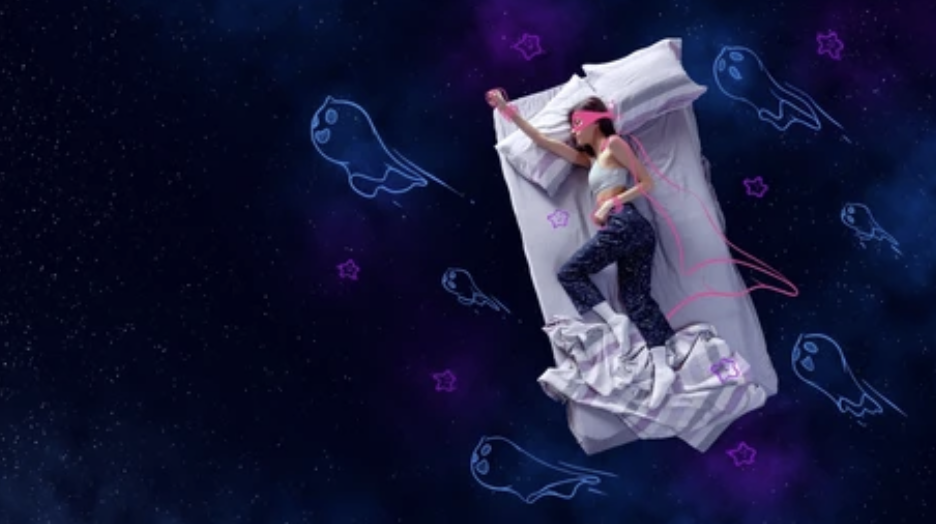
Dreams are often where ideas form, especially in those liminal spaces between the states of being awake and asleep. New neuroscience research from the Paris Brain Institute shows that the phase before we fully fall asleep is hugely creative for our brains. American Inventor, Thomas Edison, used partial naps while holding spheres in his hands to harness his inspiration. The spheres would fall as he fell asleep and wake him at the right time to capture his sleep-inspired ideas. Physicist Albert Einstein and artist Salvador Dali also believed in short bursts of sleep to boost creativity. The experiment, which is reported in the Science Advances article, Sleep onset is a creative sweet spot. Although sleep is often seen as a waste of time and productivity, it is actually essential to our creative performance.

The phase before we fall asleep is hugely creative for our brains.

Imagine that you are taking a photograph of a moment, a snap shot in time. I often walk or drive past a scene, usually of two or more people talking, sometimes a lone person doing something interesting or curious, and I wonder what they might be saying or thinking, and how they might be feeling. Authors are endlessly curious and out of this curiosity often comes new ideas for stories. Imagine taking a photograph of the scene. What would you be wanting to know as a viewer? Who are these people? Where are they from? What are they doing? What is the emotion underlying the event? Could something else be happening?

Imagine that you are taking a photograph of a moment.

Use a prompt – an image, a poem or news article. What ideas does this conjure up in your imagination? Is there big news event with an image of a person or a story about them? Can you find an offshoot from this? Let’s have a go….this is an image from a BBC news article on inflation. There is a woman holding a pizza in a supermarket. What is she thinking (inflation aside!)? What else might be going on in her life? Does she live alone or with a family or a partner? What does her body language convey? Is this a local shop or is she passing through, or escaping something? So many ideas can come from just one image that are entirely unrelated to the image or event. Sometimes a visual cue helps.

Sometimes a visual cue helps.

Have you had an interview or an interesting conversation or event recently? Was there a person who stood out or a part of the dialogue that stayed with you? This is fiction, so the details will need to be changed, but what can you extract from what was said? Did it make you think of something else? Sometimes writing down ideas in a journal can help when you sit down to write. I sometimes do this, although the best ideas tend to stay in your mind.

Be curious.

Photo credit: Shutterstock & BBC News.