Wild Seas, Wilder Cities raises £5,500 for Solent Seagrass Restoration Project

EXCITING NEWS!

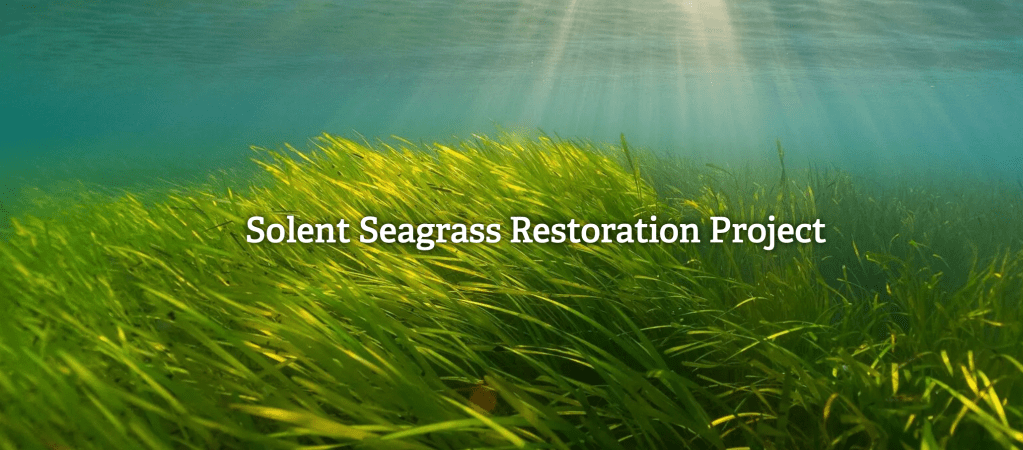
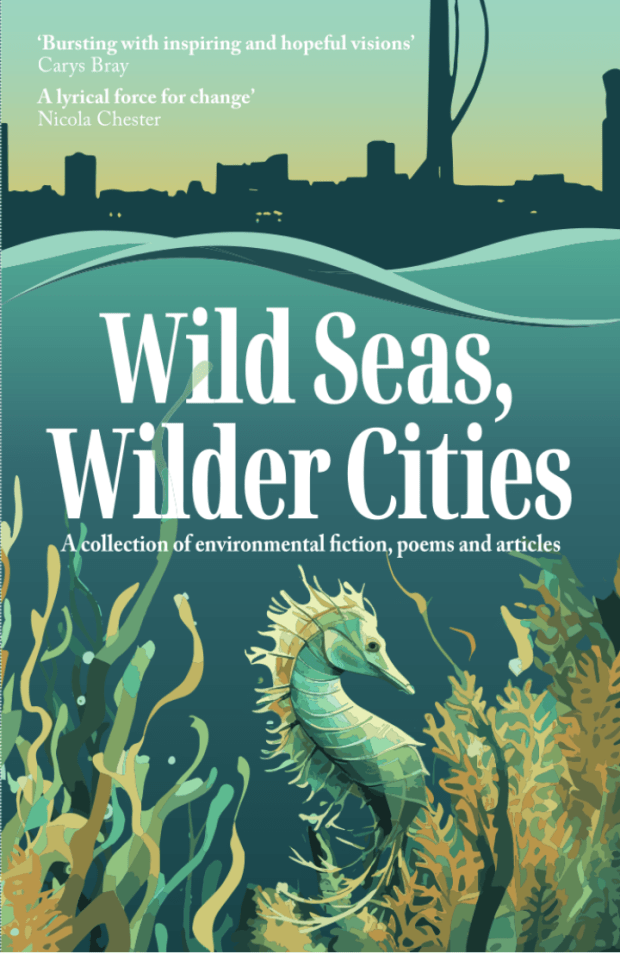
My short fiction piece, ‘Prolific,’ was published in the Pens of the Earth Anthology, Wild Seas, Wilder Cities, alongside some wonderful authors in 2025. Since then, a whopping £5,500 has been raised for the Solent Seagrass Restoration Project. The money raised comes both from book sales and related activities. Find out more about the collection.

ABOUT THE COLLECTION

Wild Seas, Wilder Cities is a “wild-seeded” collection of short stories, poems, memoirs, environmental articles and illustrations from 54 unique contributors, all concerned with showing the positive side of our relationship with the earth.

Wild Seas, Wilder Cities is a “wild-seeded” collection of short stories, poems, memoirs, environmental articles and illustrations from 54 unique contributors, all concerned with showing the positive side of our relationship with the earth. 

Dive into the depths of Wild Seas, Wilder Cities and let your imagination be fired by the many wonderful projects already making a difference to our world, by stories of hope, celebrations of nature, inspirational people (both real and fictional) and by the local action that every one of us can undertake. A few small differences in your life will ensure you are part of the ever-growing global community dedicated to protecting our precious planet. Let us inspire you!

RESTORATION PROJECT

“The many writers and poets represented in this book have all given their work freely to support the vital work of the Hampshire & Isle of Wight Wildlife Trust in its repair and maintenance of the Solent seagrass meadows.” Pens of the Earth

The Restoration Project is working towards a vision of a wilder future and 30% of land and sea restored for nature. Seagrasses do as much to keep the planet cool as rainforests, so raise your spirits and help us plant the seeds of change.

All profits from this book are donated to the Solent Seagrass Restoration Project.

REVIEWS

‘Bursting with inspiring and hopeful visions’ Carys Bray, author of A Song for Issy Bradley

‘A lyrical force for change’ Nicola Chester, writer for The Guardian

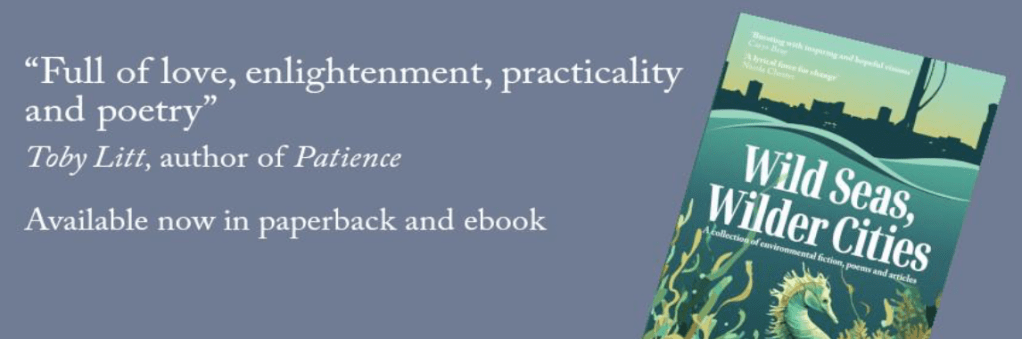
‘Full of love, enlightenment, practicality and poetry’  Toby Litt, author of Patience

‘This collection, evolved from the inspirational Pens of the Earth, shows how meaningful, themed narratives can make a shift towards change’ The London Magazine Review, by Judy Waite, Award-winning author and Senior Lecturer in Creative Writing, University of Winchester.

‘We bear witness to the natural world in many ways, and the pieces come in all shapes and sizes, carrying messages of determination, love for nature, positive actions and the power of community.’ Sarah Jane Butler, author of Starling

A delightfully encouraging collection of writings on the ways we can help make the world wilder again, how we can change the narrative on climate change. Vibrant and alive, these are wonderful tales told of renaturing – of striving to support life in all its glorious forms on the earth, of restoring hope for the future.’ Dr James Canton, Director of Wild Writing, University of Essex

Pens of the Earth have a number of activities coming up this year, including online and in-person workshops (check out Tamsin’s Mar 2nd Portsmouth BookFest workshop), the launch of an audiobook, and further book sales, to continue to raise money.  

In the meantime, listen to Pens of the Earth in conversation on Radio Victory‘s Between the Lines, this Sunday, at 6pm. Rachel Birchley will be chatting with Loree and Matt about environmental writing, Tamsin’s forthcoming BookFest workshop and what it takes to put a good anthology together. It will also be available on catch up: https://radiovictory.co.uk/betweenthelines.

The Power of Character-Driven Stories

One of the questions I’m most frequently asked as a writer is, ‘do you focus on plot or character?’ I predominantly write thrillers, so character is particularly important and often drives the story line (the plot). Jana in Take Me to the Castle and Leisl in Dead Drop are strong female protagonists. Their thoughts, lives and actions drive the plot.

It works well for short stories, particularly given the brevity of the craft and the constraints of needing to hook a reader quickly, drawing them into a story. When the reader is engaged with the character, they are more likely to engage with the story and understand the motives driving the character’s decisions and actions.

When a reader knows what a character has experienced and understands their weaknesses and specific character traits, the story makes more sense and the reader wants to go on the journey with them.

Who your characters are is much more intriguing than what they do in a character driven story. We don’t engage with perfection as readers, we engage with vulnerability. Vulnerability leads to trust and connection.

It works with fictional characters in the same way as in real life. The writer’s job is to make the reader care, and the most effective way to do this is to highlight a character’s fears, vulnerabilities, and internal conflicts. I’ve written more about this in other posts on plot writing here and here, as well as on the narrative arc.

Examples of character driven stories…

Of Mice and Men

Crime and Punishment

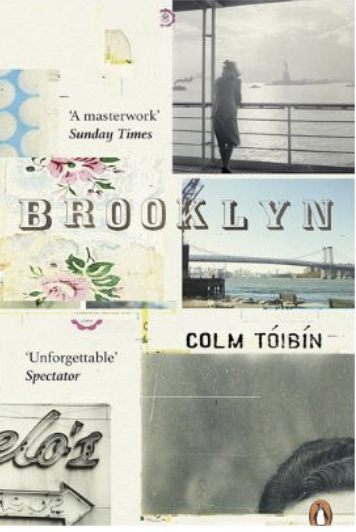
Brooklyn

A Man Called Ove

Eleanor Oliphant is Completely Fine

Using Photographs as Writing Prompts for Short Fiction

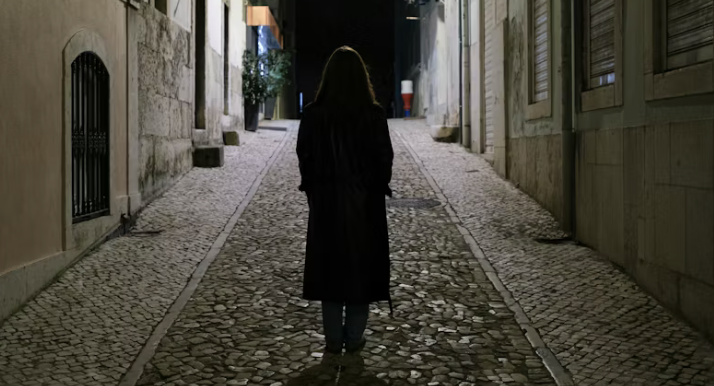
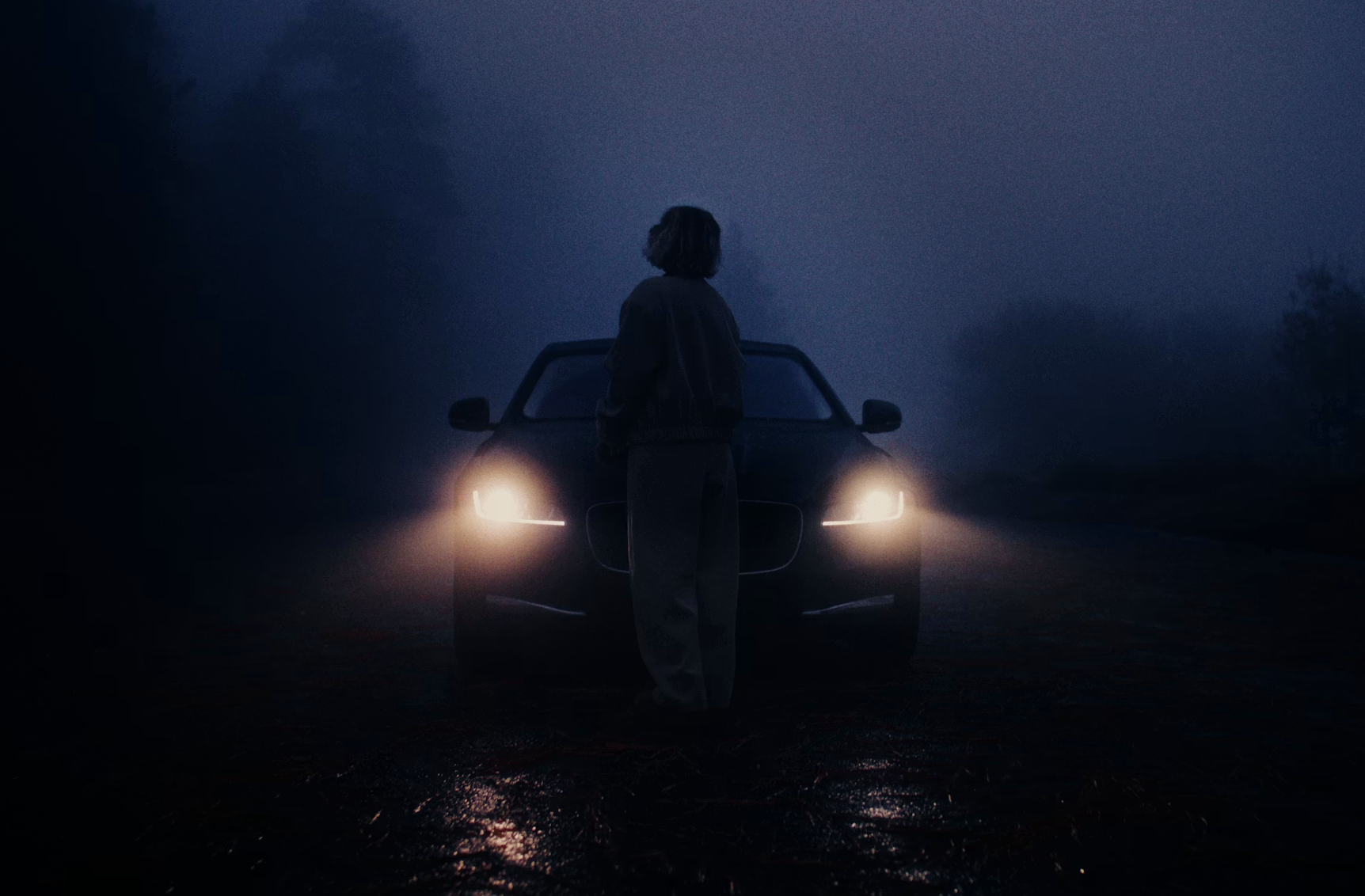
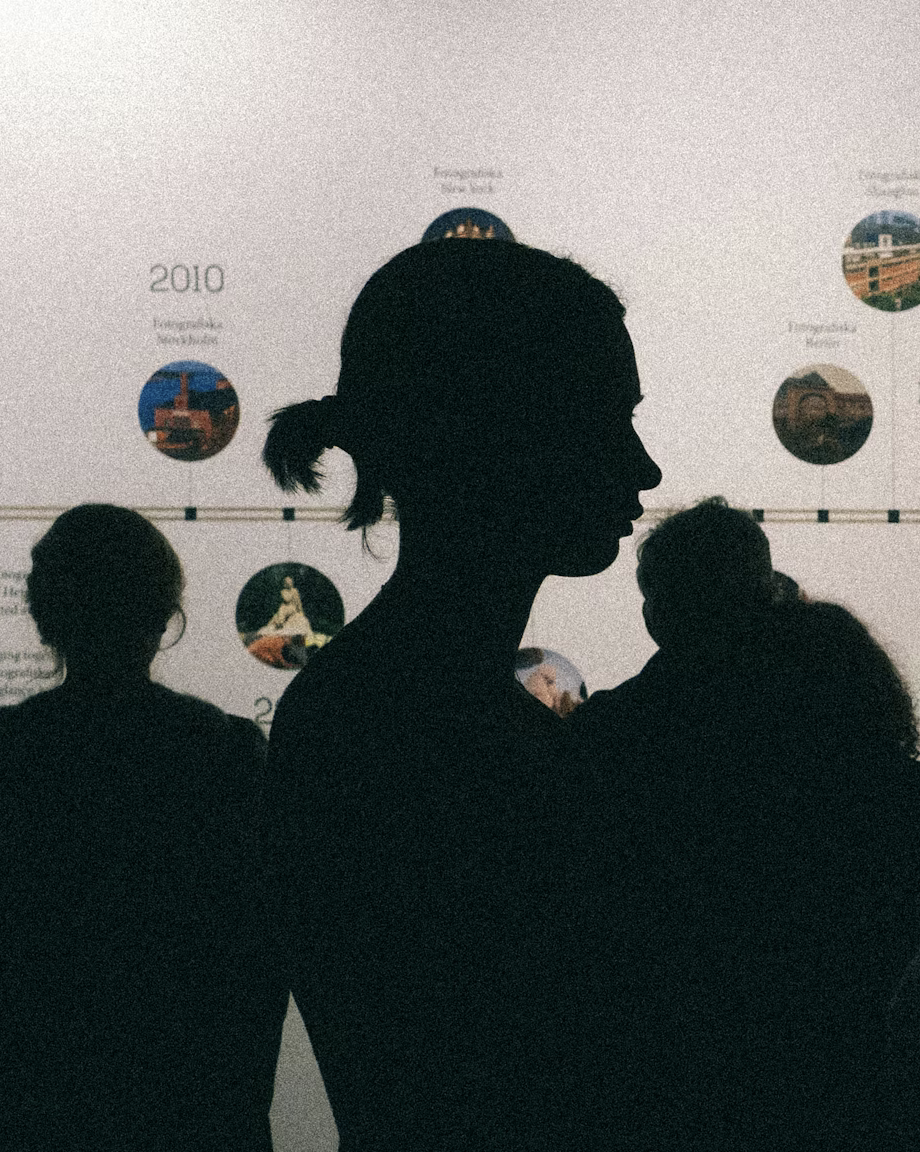
Lots of people ask me where I get my ideas from when writing fiction. The answer remains elusive. As a photographer, I find much inspiration from snippets of every day life that are captured in photographs. Scenes from life, interactions, a moment in time. These all form the seeds of an idea.

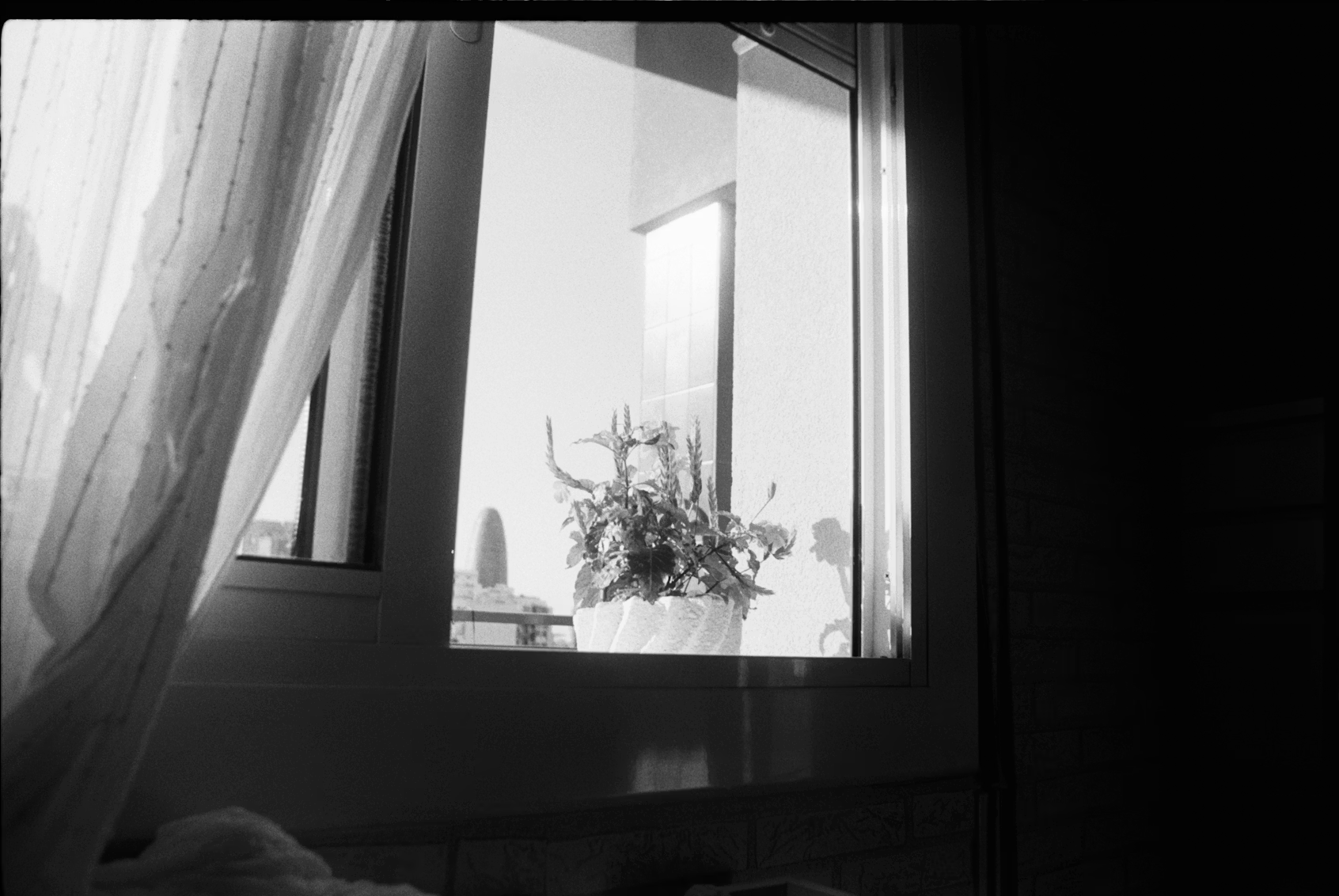
I find black and white images particularly striking. Ted Grant famously said, “When you photograph people in color, you photograph their clothes. But when you photograph people in Black and white, you photograph their souls!”

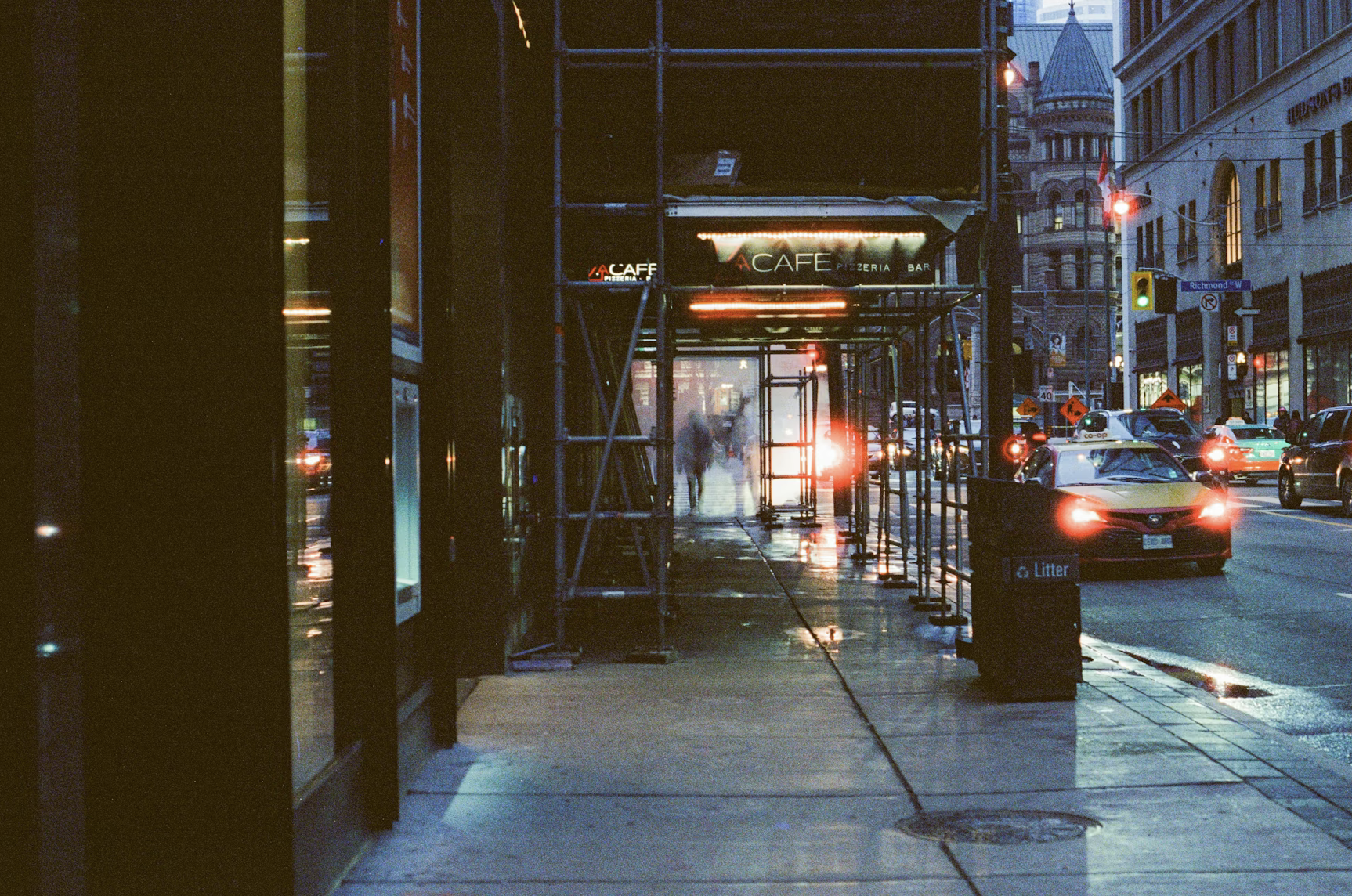
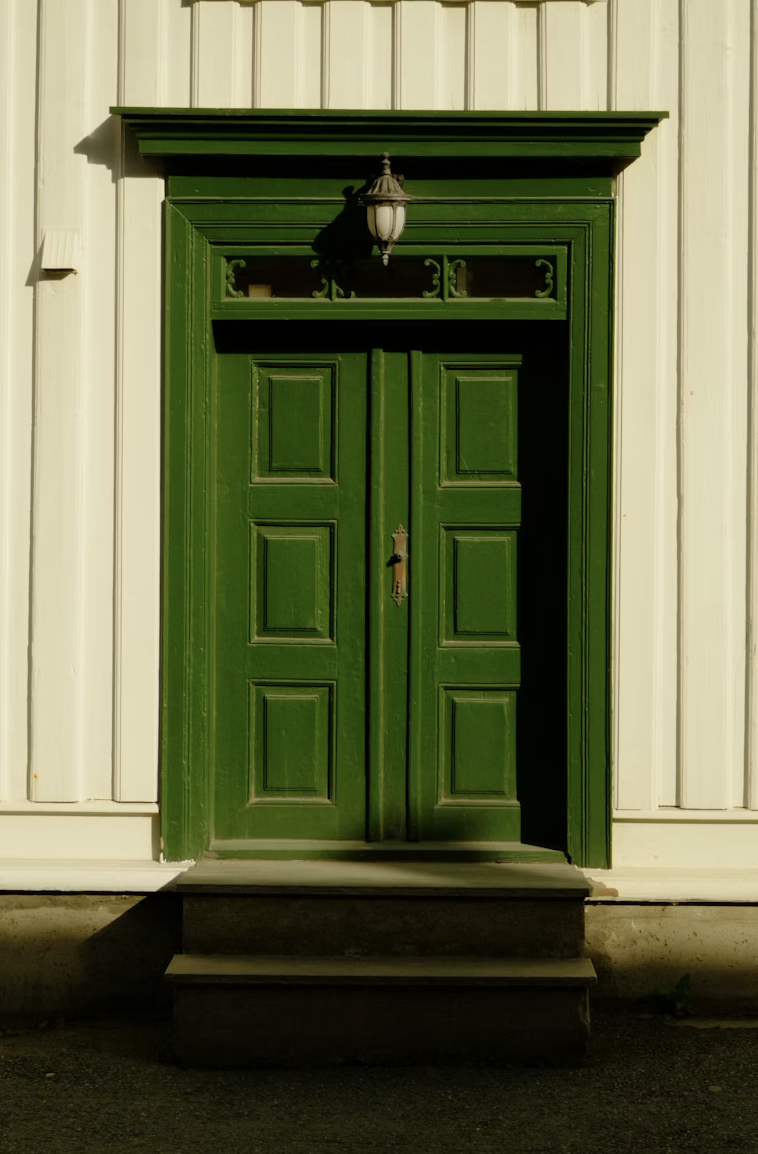
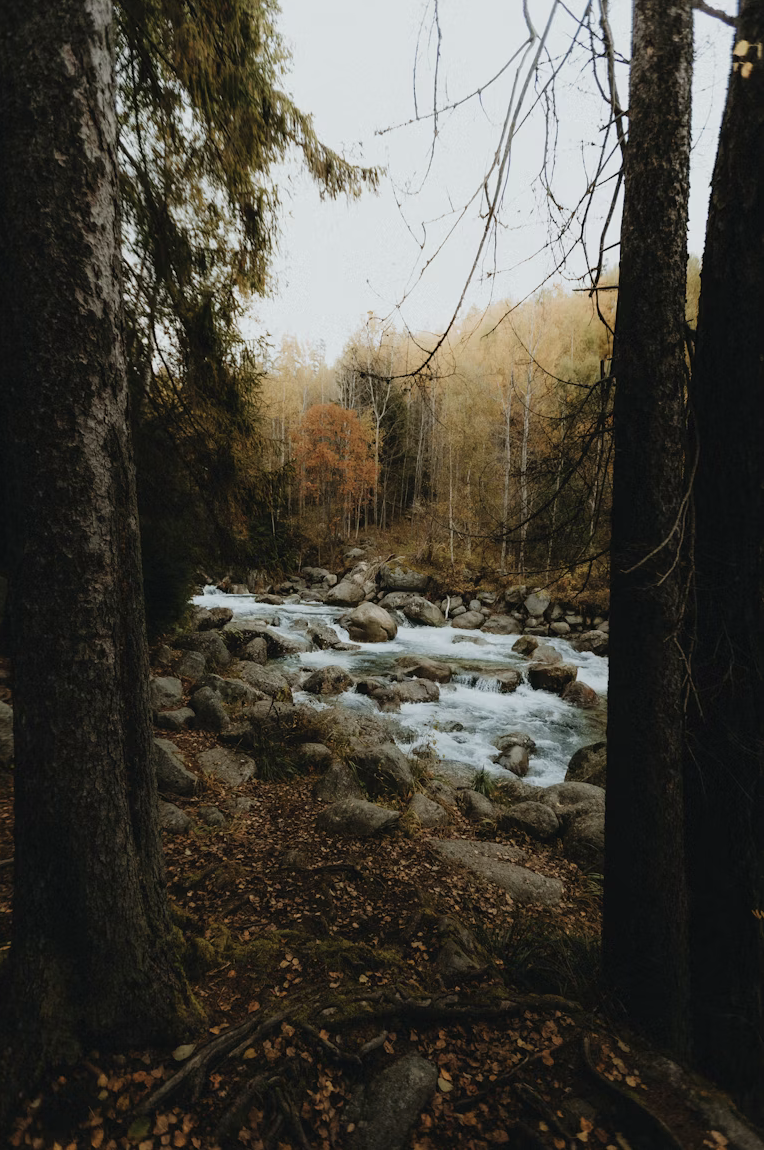
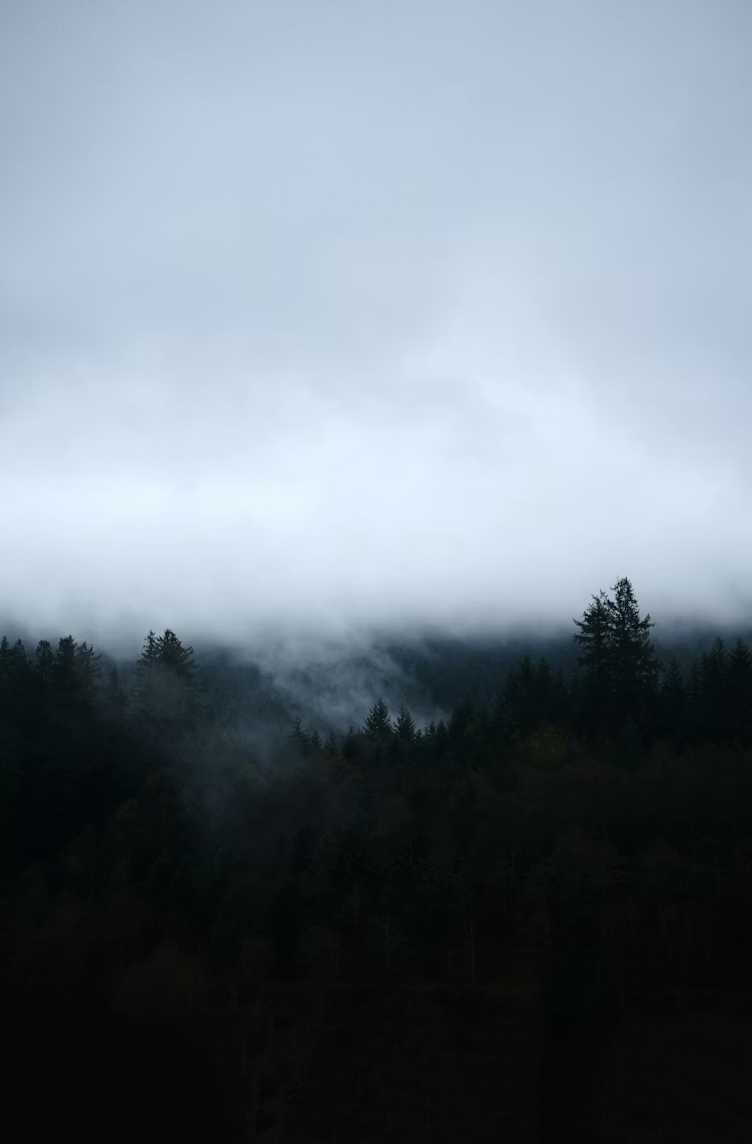
I use Pinterest to collect and find ideas. You can read about it in this post. I’ve gathered together a few of my favourite recent photographs from other photographers into a board of writing prompts. You can see a few of them below, but go to the board for the full range.

All photo credits: Unsplash (see my Pinterest Board for individual photographers)

There is something about a visual stimulus which can spark an idea. It also makes the writing process less daunting, particularly if you’re struggling with writer’s block.

Do you use images for inspiration in art or writing? Let me know in the comments. If you find inspiration from any of these writing prompts, I’d love to hear from you.

Questions From New Writers

I met an aspiring write yesterday, who asked lots of questions about the craft of writing, and wondered whether beginning a novel was a viable option after quitting a high-flying city job. I remember asking similar questions, back in 2007, when I moved abroad and gave up a teaching job that I loved. Moving from London to Vienna stirred up all sorts of ideas in my mind and, as I said to the person yesterday, there is something about moving to a different place, and living in a different culture, that somehow frees your mind and inspires lots of creative ideas. There are lots of questions from the writing community on Twitter today and, if you follow the hashtag #WritingCommunity, you’ll see many of these. There are so many questions and so many good books to you to get you started, and to help hone your craft.

  1. My first piece of advice to anyone wanting to begin writing is to read widely, both within and outside your genre, especially outside your genre – it’s easy to just focus on what you want to write – and read as much as you write, spend as much time reading as you do writing.
  2. Read as many books on the craft of writing that you can get your hands on. Find your local library, as there are lots of useful books that you can borrow. You don’t need to buy them all, or do a book swap with another writer. I’ll add some of the books that I’ve found helpful at the end of the post. It’s by no means an exhaustive list.
  3. Sign up for writing courses. The Avon Foundation have lots of wonderful writing courses and many authors offer course, as well. Learn as much as you can.
  4. Don’t be afraid to experiment. You may be fiction writer – a poet, a novelist or a short story writer – or you might prefer creative non-fiction writing (memoir, autobiography/biography, essays, literary journalism, journaling, or topics like food or travel writing, self-development, art or history). Within fiction there are so many genres; read as widely as you can.
  5. Don’t give up. You will have hard days were you want to quit. It will get hard. If writing was easy, there would be many more authors with published work. Even the most gifted writers hit a wall at some point. Push through it.
  6. Set yourself targets, if this works for you. When I began, I sat down to write from 9am – 6pm (with breaks) and gave myself 3 months to get around 35,000 down on paper. After this length of time, I would assess whether or not I had enough to continue and a good enough story to write a whole novel. It worked, I kept going, and I finally finished my first book.
  7. Find a writing partner or a writing group. If you can’t, or it doesn’t suit you, tap into the writing community online. Twitter is a good place to start and will be really helpful, in terms of keeping up to speed with the industry. It’s a great way of networking, finding support, and following publishing trends. I have been contacted by authors, readers, editors, agents and publishers this way. It’s invaluable.

These are some of the books that have helped me along the way, although, Meander, Spiral, Explode is a new acquisition, so I’ll write a review when I’ve read it. Which books have helped you? Can you recommend any others?

Interview with EllipsisZine Editor, Steve Campbell


Ellipsis Zine is an online and print literary magazine for beautifully written fiction & creative nonfiction.

How and why did you begin Ellipsis Zine, and how long has it been running?


I set up Ellipsis Zine in June 2017 and initially wanted to create an online space for flash fiction I liked to read. I hadn’t been writing flash very long and thought that a website with a mixture of work I enjoyed reading would help improve my own writing, while also offering a new space for writers to submit to. I wasn’t sure how well that was going to be received but pretty soon I was swamped with great submissions. Following on from the wave of excitement during the first month, I took the plunge and opened a call for work to be published in print and I was completely overwhelmed with the response.

What have you learned from your experience as Founding Editor?

It’s all subjective. I’ve declined work that has almost immediately been snapped up by other publications and reading them again, it was clear I was wrong to pass on them. There can also be any number of factors for a piece being declined, it’s not always because the piece isn’t ready. The magazine may not be the right fit. Timing can also be important – and not always something that a submittor can do anything about. If a piece submitted deals with the break up of a relationship, for example, I would generally pass on it if I’ve published a similar piece recently.

What do you do with your time outside working on the Zine?

I work in a marketing department, with a background in design, and so the setting up of the magazine and print zines has been a fairly smooth process.

The editorial team has expanded. Can you tell me who is on the team and how or why they were chosen?

I have a great team of flash writers helping me behind the scenes. Stephanie Hutton, Amelia Sachs, Richard De Nooy, Helen Rye, Jennifer Harvey and Christina Dalcher. It was Richard who first suggested putting together a team, to help strengthen the website and have a team to help compile the zines, and as a sounding board for ideas and advice. Working in a bubble can be difficult at times, so having a team of writers to work with has been invaluable.

What are you looking for in a piece that you hope to publish?

We want to publish stories that make us forget where we are, stories that introduce us to people, places and things we’ve never seen before and stories that stick with us long after we leave them. In the same way a great song, novel or film, hangs around with the audience. We want a great piece of flash to be something that will be read again and again, and something that will linger.

Can you tell us about the process from submission to publication in the online and print zines?

With print online submissions, I try to get back to everyone within seven days. If selected, I may put forward minor edit suggestions and then provide a date for publication. This is usually scheduled around a month or so later, depending on the time of year. With the print publications, the time between submission and selection is a little longer. With the last few zines, I’ve had one or more of the editorial board compile the list of published work for me. Again, once chosen, we ask for minor edits to the work. Once the zine is compiled, I will send page proofs to all writers, to ensure I’ve copied everything over correctly. At this point, writers have the opportunity to make any last minute changes. This is usually a week or two before publication.

Do you have any advice for authors sending you submissions?

That’s a tough question, because I tend to want to publish a wide mix of work, but it is important to note that it is all subjective. I’ve published sci-fi, horror and humour and I do notice trends with submissions. I sometimes get a batch of work that hasn’t made the longlist/shortlist of a competition, because they are all on the same theme. I’ve also noticed that I can receive a large amount of work based on death, relationship breakdown, dementia etc. I have written pieces on these subjects myself, and although, individually they are brilliantly written, when I receive a lot of them, they can lose their impact. I’d suggest that anyone who approaches these subjects to think a little differently. This will help set the work apart from others.

Can you tell us a little about the expansion into areas such as the Novella-in-Flash, collections, and zines celebrating LGBTQ writers?

Much like everything with Ellipsis, the expansion into publishing Novella-in-Flash and collections stemmed from wanting to try something new. Stephanie Hutton’s novella was a huge success, selling much more than any of the other zines and so it was natural to try and replicate that success. Talking with Stephanie about an open call, she put forward the idea of publishing an author who wasn’t as established – hence, the call for a debut flash collection from an unpublished author. This desire to give underrepresented voices a platform, naturally, influenced the decision to publish a zine that celebrated LGBTQ writers and their work.

What are your plans for Ellipsis for the coming year?

We have an extremely busy year ahead. There are a few flash events, which I will be attending in the Summer: National Flash Fiction Day, June 15th, has just been confirmed, and a publication launch. Our Love | Pride zine, celebrating LGBTQ writers and their work, is released at the end of February, along with a flash fiction collection in April/May. The Summer zine publication will be collection by a single author. Later in the year we’ll have a call for submissions for another zine and a micro-fiction competition. There are ongoing website submissions and, at some point, I may need to have a lie down.

You have recently had some of your own work published. Can you tell us about your own writing?

I’m still finding my feet with my own writing, but running Ellipsis has been extremely helpful. I have read some amazing work and this has enabled me to see what does/doesn’t work with a piece of flash. I began to write my own novella-in-flash, which was sidelined to write a novel, which was then sidelined to write another novel. At some point in the next few years I’m sure one of these projects may be finished.

What are your top five literary journals or magazines?

I love the work in Flashback Fiction. There is the added bonus of hearing the pieces being read by the authors. Popshot Magazine is also a favourite. I’m a sucker for a printed publication, and this is beautifully put together. I also regularly read MoonPark Review, TSS Publishing and Reflex Fiction, but this list is not exhaustive because there are so many great publications out there. I’ve compiled a list of some of my favourite publications on the Ellipsis website here: ellipsiszine.com/literary-magazines/

Follow EllipsisZine on twitter: twitter.com/EllipsisZine or on facebook: facebook.com/EllipsisZine.LitMag

Ellipsis is managed by Steve Campbell and has the support of an editorial board of international flash fiction writers and published authors. View their biographies here: Editorial Board.

Steve Campbell has work published in places such as Spelk, Fictive Dream, MoonPark Review, Molotov Cocktail and Flashback Fiction. He is Managing Editor of Ellipsis Zine and trying to write a novel. You can follow him via twitter @standondog and his website, standondog.com.