Using Photographs as Writing Prompts for Short Fiction

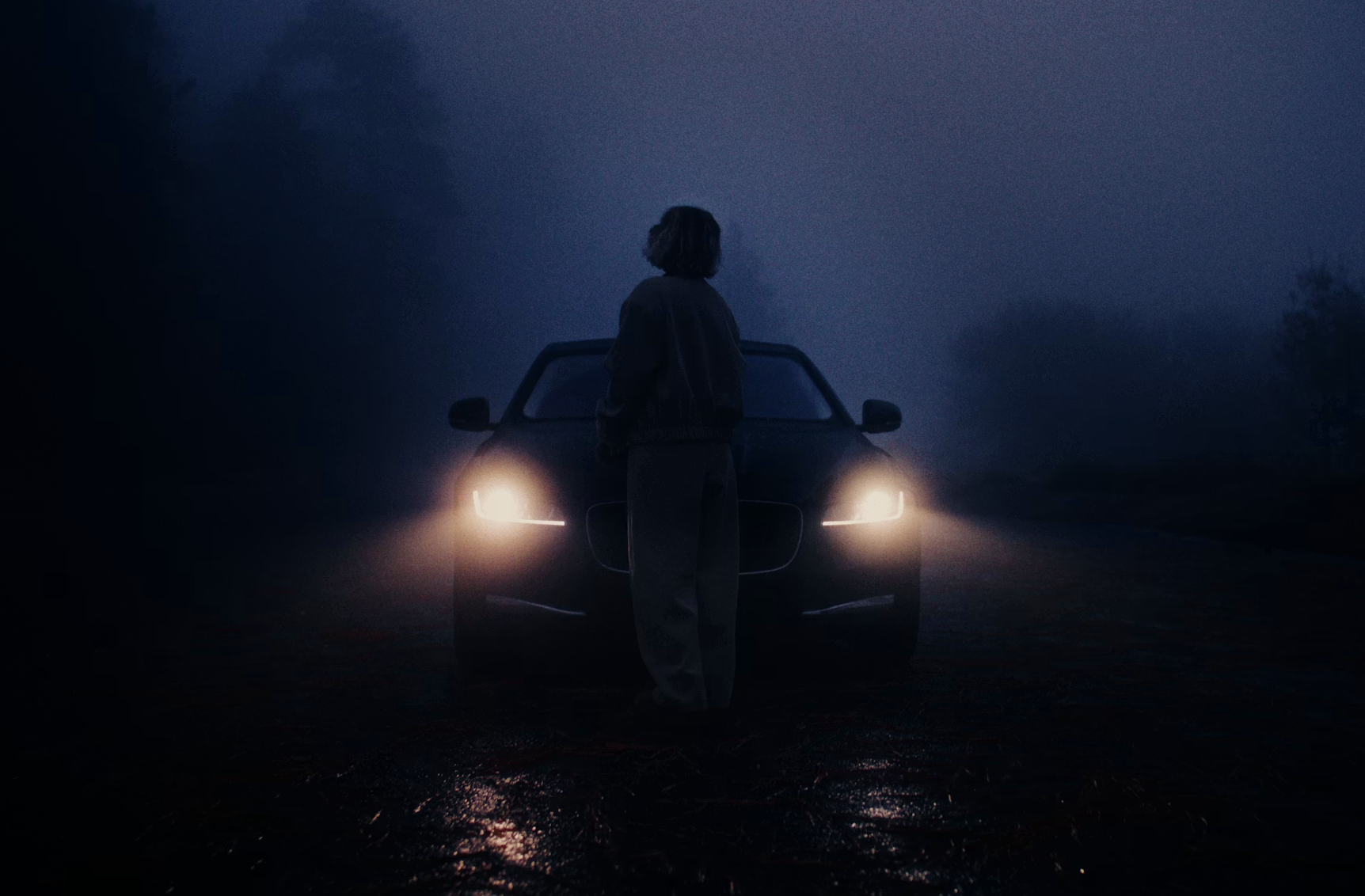
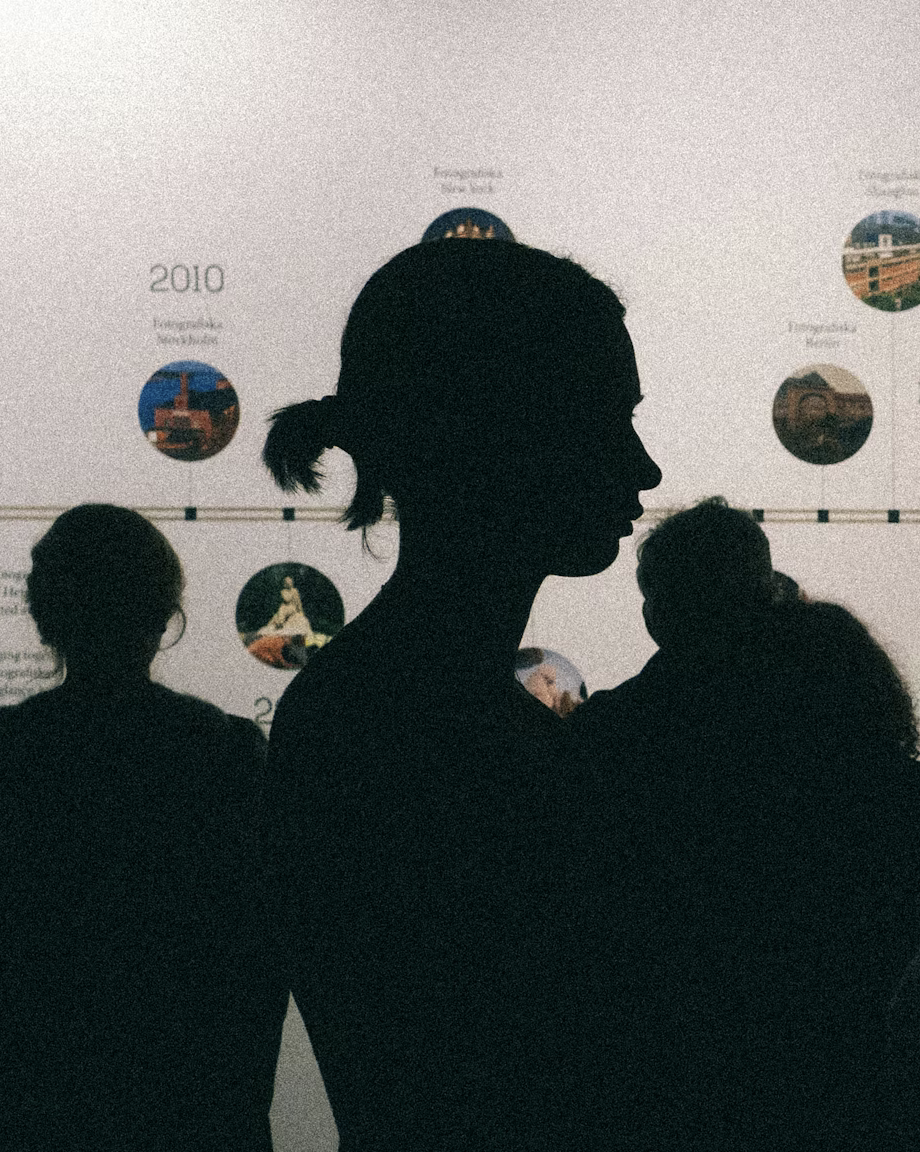
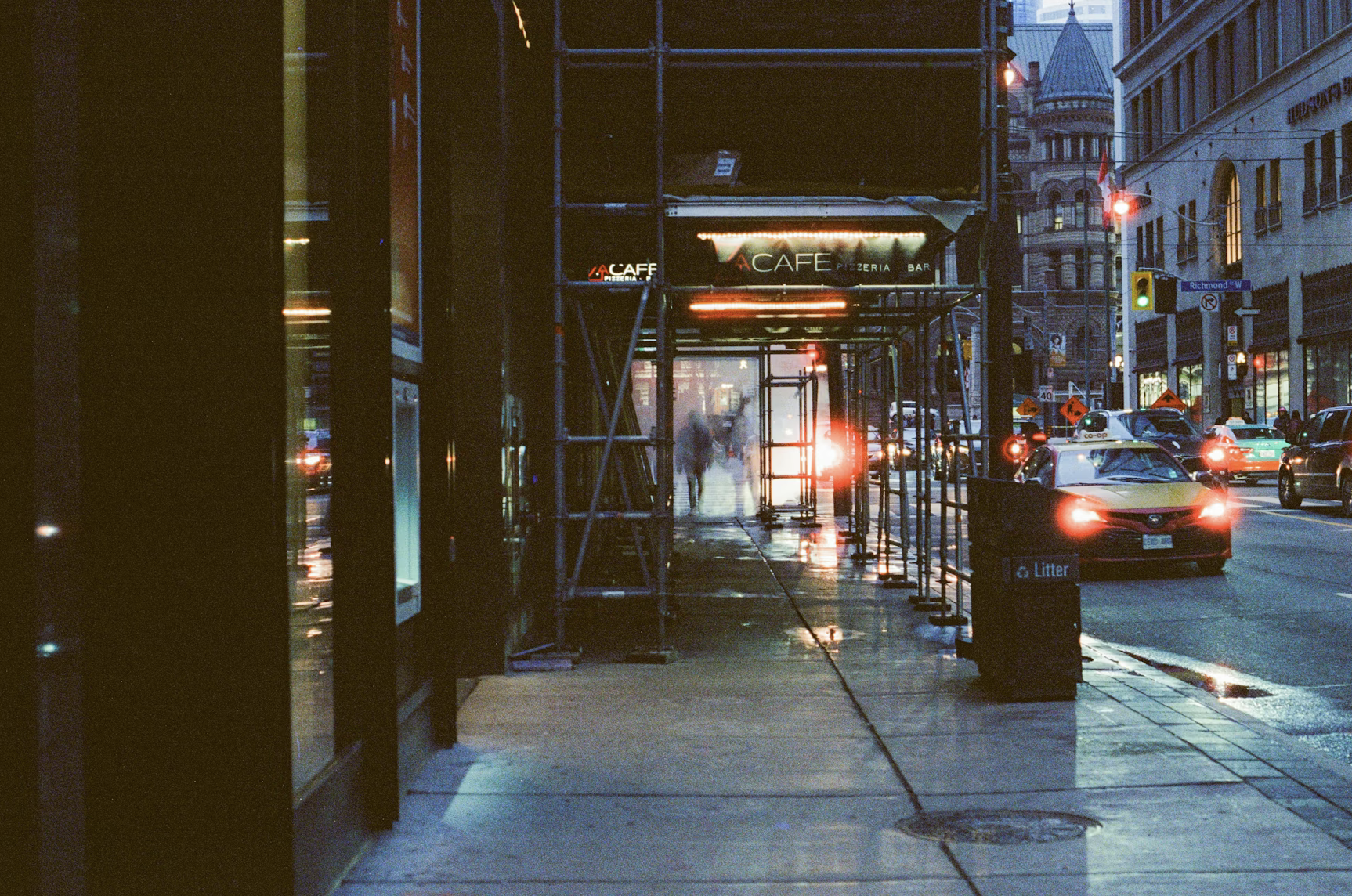
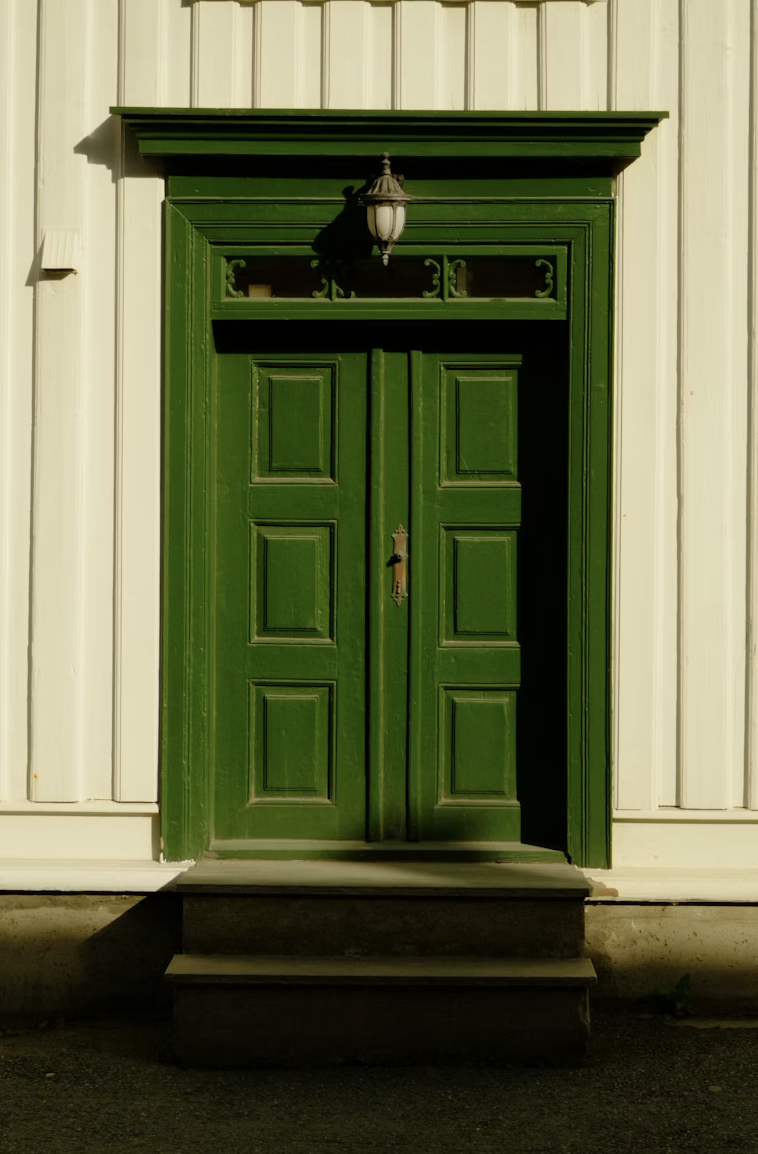
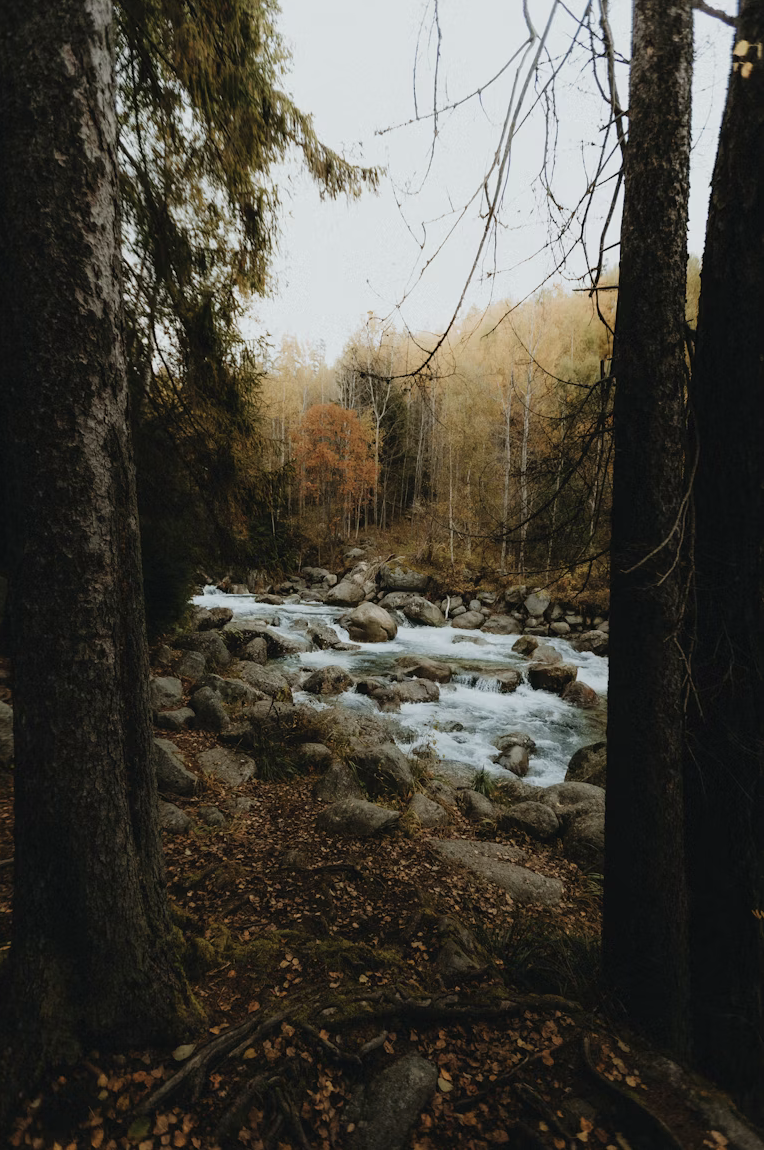
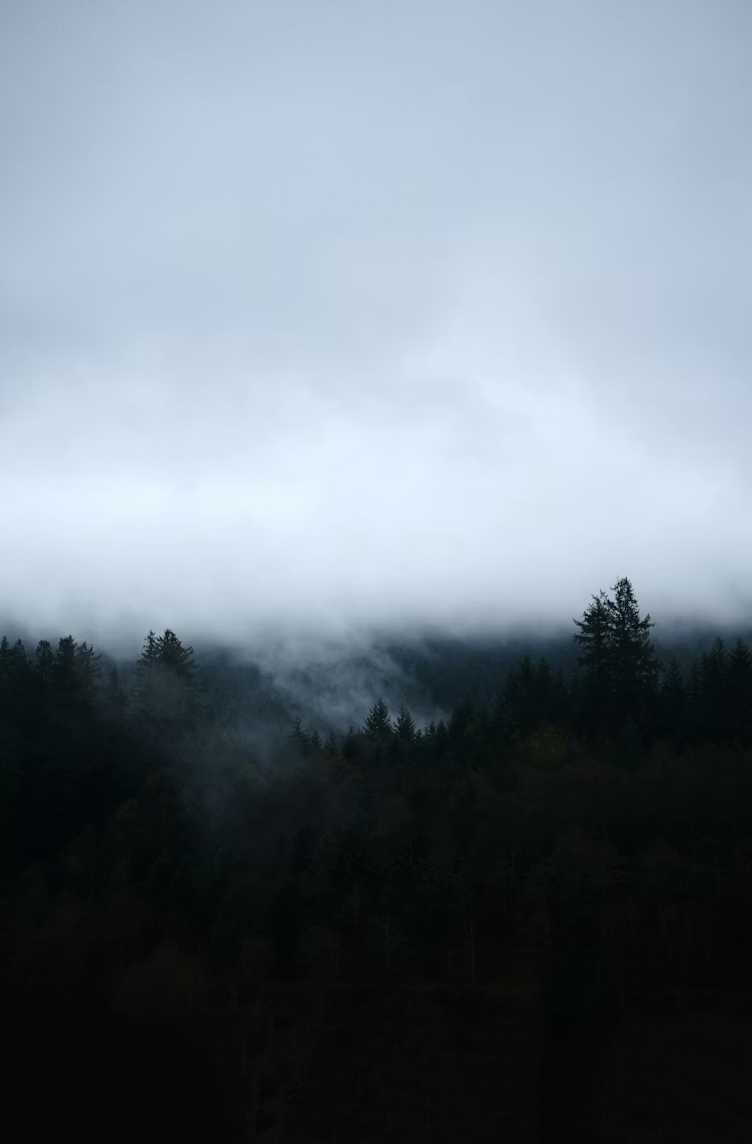
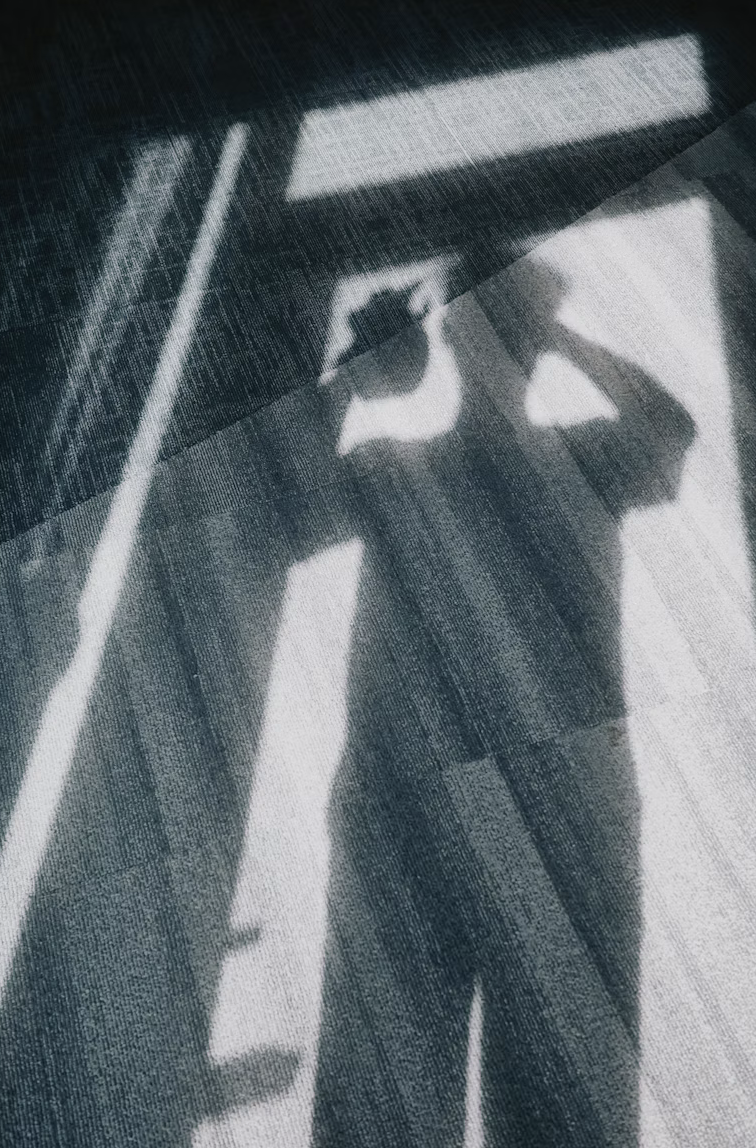
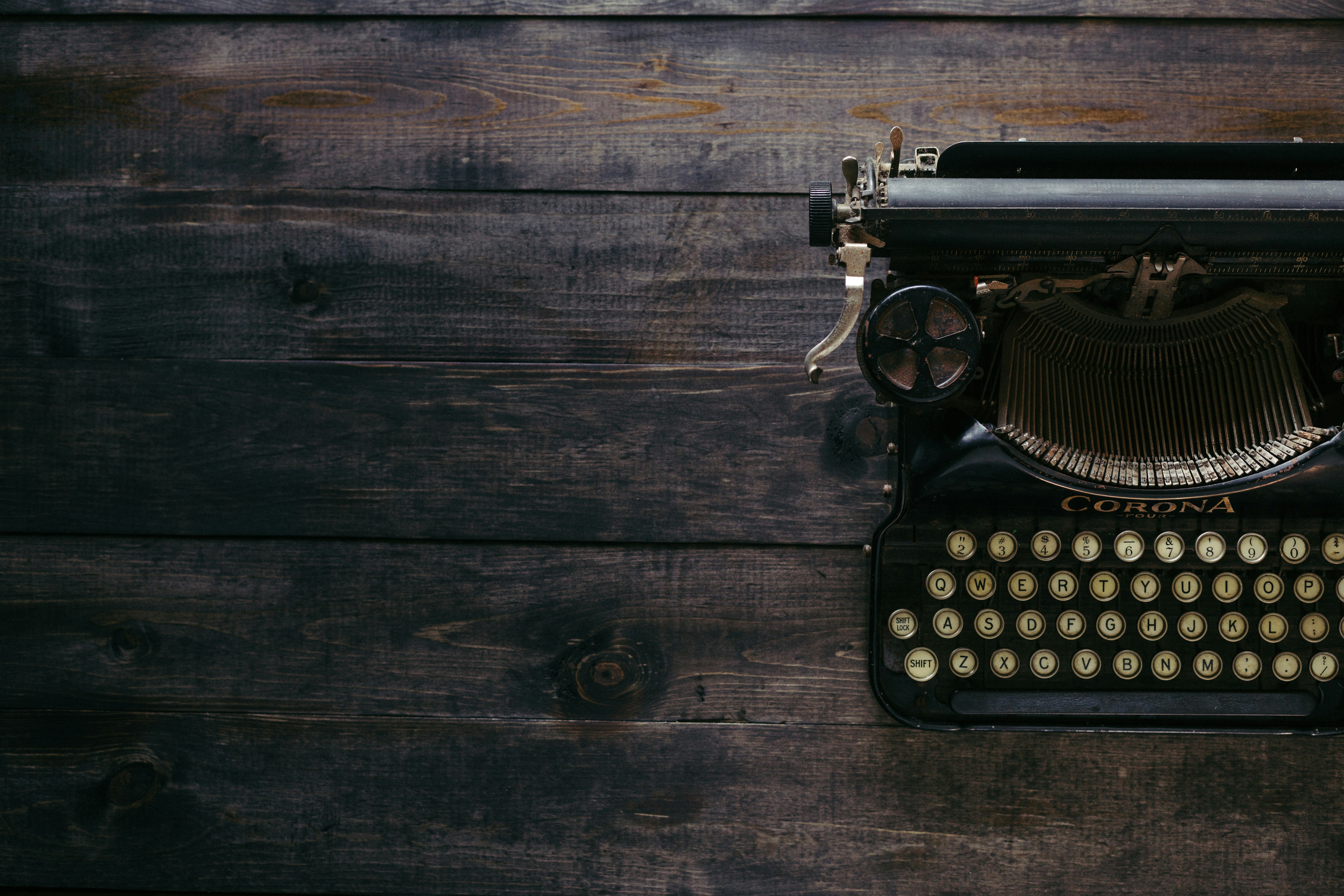
Lots of people ask me where I get my ideas from when writing fiction. The answer remains elusive. As a photographer, I find much inspiration from snippets of every day life that are captured in photographs. Scenes from life, interactions, a moment in time. These all form the seeds of an idea.

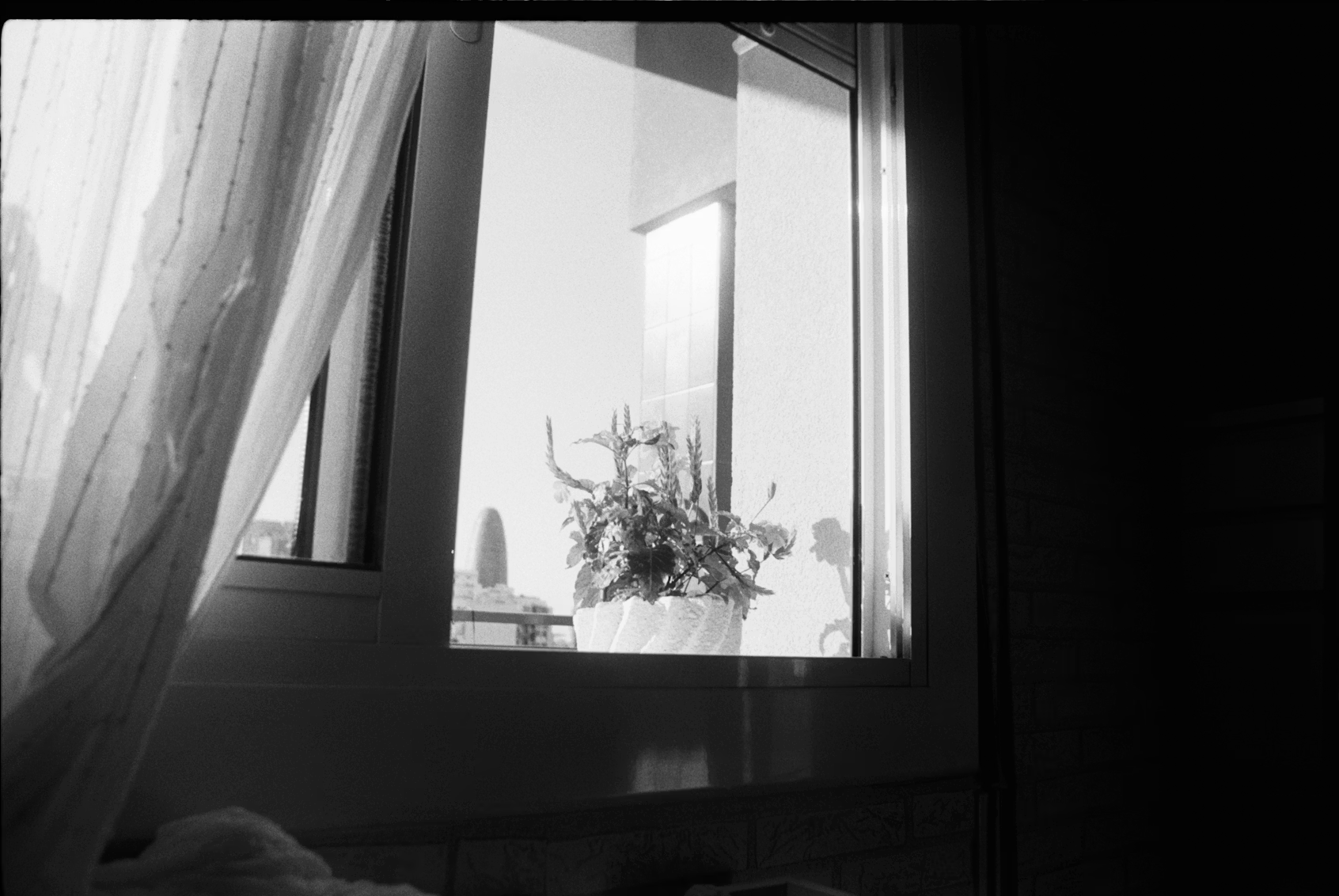
I find black and white images particularly striking. Ted Grant famously said, “When you photograph people in color, you photograph their clothes. But when you photograph people in Black and white, you photograph their souls!”

I use Pinterest to collect and find ideas. You can read about it in this post. I’ve gathered together a few of my favourite recent photographs from other photographers into a board of writing prompts. You can see a few of them below, but go to the board for the full range.

All photo credits: Unsplash (see my Pinterest Board for individual photographers)

There is something about a visual stimulus which can spark an idea. It also makes the writing process less daunting, particularly if you’re struggling with writer’s block.

Do you use images for inspiration in art or writing? Let me know in the comments. If you find inspiration from any of these writing prompts, I’d love to hear from you.

My Writing Journey: From Novels to Short Stories

Photo credit: Patrick Fore

WordPress sends these milestone reminders, and it’s often a good time to take stock and realise how far you’ve come as a writer. I began writing my debut novel, Take Me to the Castle, in 2007. It was published in 2012 and won The People’s Book Awards in 2013. I began writing short stories with several going on to be published in literary journals. Some won writing competitions and I was inspired by so many other writers and their stories…Alice Munro, Lydia Davis, Hilary Mantel, David Gaffney, Raymond Carver, Franz Kafka, Anton Chekhov, Ernest Hemingway.

It’s been a journey! Eight books (including two novels, two short stories and work in four anthologies) later and I still get a buzz from writing down the first words of a story, a poem, or a novel. I don’t know where the last 12 years have gone, but it’s been quite a journey. Writing, the grit required to keep going and hone your craft, along with the journey to publication, requires motivation and determination. It demands new learning and a level of discipline, but it’s also a lot of fun. The creativity, the process, it’s all part of the draw to write.

I’ve learned that you will always surprise yourself, and others. You’ll never quite know where you are going. This applies even to the most tightly planned plot! You can read more about planning, plot and structure in these posts:

Warning: Structural Work Needed – Plotting Your Novel

Permission To Not Write In A Linear Fashion?

Narrative Arc: Shaping Your Story

What’s Your First Draft Like? Author Interview

I get asked lots of questions on where I find my ideas and how I write. It’s different for poetry, short stories, flash fiction and novels. Novel writing is a marathon, not a sprint, but it also allows you more space for a story to unfold. Short stories and flash fiction, in particular, are less forgiving and no word can be wasted. You need to grab your reader in just a few hundred words, or more, or less!

I love writing. I love it as much now as I did 12 years ago. Blogging has also been a really helpful way of sharing my journey and what I’ve learned. I’ve been able to encourage new writers, connect with readers, network with people, interview authors and be interviewed. Thanks for joining me on the journey, whether you’ve just arrived (welcome!) or if you’ve been here a while. Drop any questions in the comments.

PUBLICATION DAY

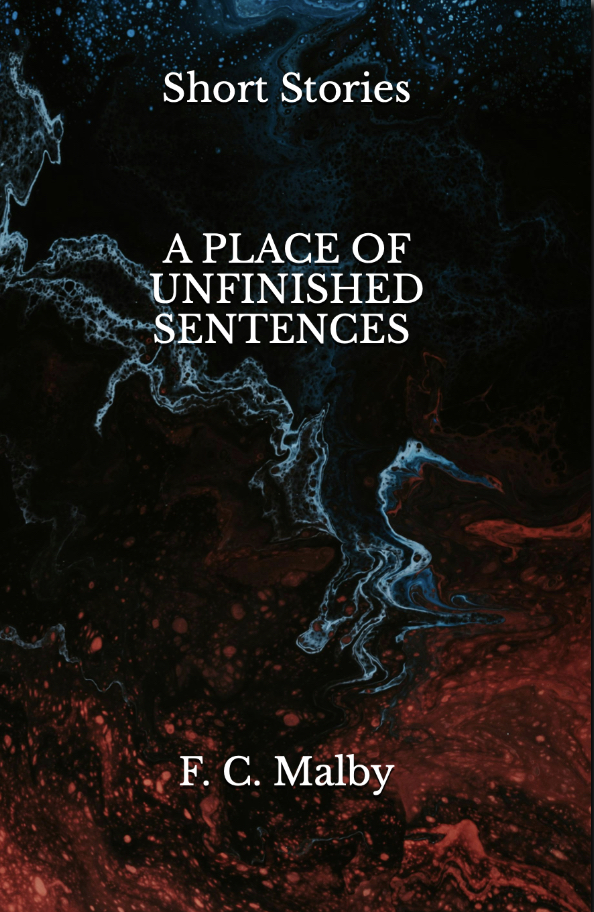
The day has arrived. It’s the release of my long-awaited second collection of short stories. Lots of you have asked when they will be available to buy and the wait is over. I’m thrilled to announce the release of a new collection of stories, many of which have been placed in competitions and published in international literary journals. Two of the stories can be found in anthologies – You Fold Yourself into Tiny Spaces was Longlisted in the Reflex Press Quarterly International Flash Fiction Competition and published in In Defence of Pseudoscience: Reflex Fiction Volume Five. Prolific was published in Pens of the Earth and is forthcoming in a Pens of the Earth Anthology in October 2024. Some of my favourite stories are new to this collection.

“Intense, beautifully realised and ice-sharp”

ABOUT THE COLLECTION:

The sentences we leave unfinished, questions surrounding sudden loss, a decision on a train. This second collection covers themes of relationships and memory, exploring what happens when memory fails. It looks at beginnings and endings, weaving through themes of generations, family, uncertainty, and what happens when experiences change us.

“F C Malby’s stories capture characters teetering on the edge of precipices in their lives, sometimes literal, sometimes metaphorical, as they decide whether or not to take a leap of faith into the unknown. These intense, beautifully realised and ice-sharp stories momentarily suspend us over an Everestian abyss.” Jonathan P Taylor, author and Senior Lecturer in Creative Writing, University of Leicester

“In this impressive collection of 65 short and very short stories, F C Malby gives us sharply honed glimpses into the profundity of the ordinary and the impact of the extraordinary. Malby’s characters deal with choices and their consequences, with themes of life passages, nature and the sea. Her prose is strong with much implied and left to the interpretation of the reader. Highly recommend.” Barbara Byar, novelist, short story author and Fiction Editor, Variant Literature

You can purchase my second collection of short stories, A Place of Unfinished Sentences, in paperback and as an eBook https://www.amazon.co.uk/dp/B0DFW6BPMW

Where do you find your ideas? Short Story and Flash Fiction Inspiration

As an author, the question I get asked most often is, Where do you find your ideas? It’s a notoriously difficult question to answer and most authors struggle to voice, or even to know, where they find their ideas. But, I’m going to give it a try! The short answer is that it comes from the strangest of places, and I need to begin with the adage that everyone is different.

Where do you find your ideas?

The most important important advice I could give any aspiring author is, be an observer. Watch people, observe their movements, eye contact, body language, look at what they don’t say. Only 7% of communication is verbal, in other words through what people say, which means that a whopping 93% of communication is nonverbal – body language, gestures, tone of voice, facial expressions, body posture. A person’s body language is a part of communication and reflects emotions and moods.

Be an observer.

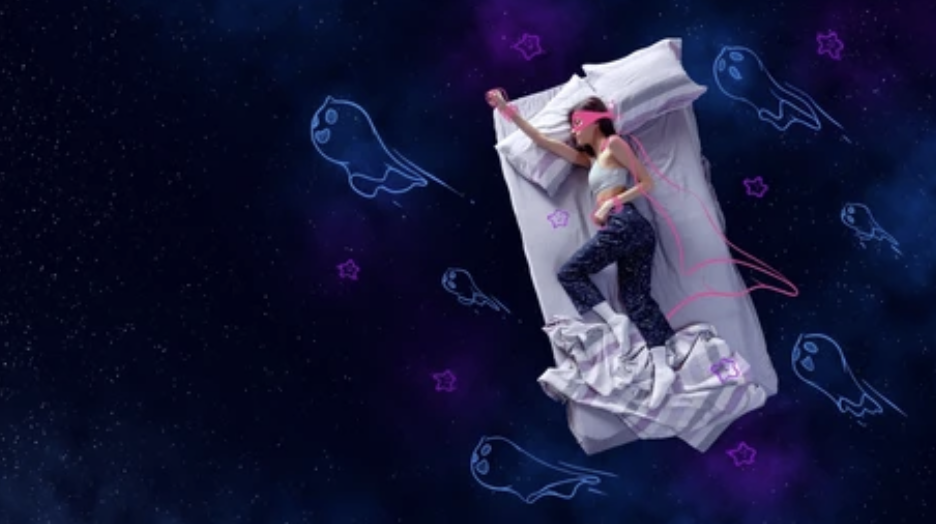
Dreams are often where ideas form, especially in those liminal spaces between the states of being awake and asleep. New neuroscience research from the Paris Brain Institute shows that the phase before we fully fall asleep is hugely creative for our brains. American Inventor, Thomas Edison, used partial naps while holding spheres in his hands to harness his inspiration. The spheres would fall as he fell asleep and wake him at the right time to capture his sleep-inspired ideas. Physicist Albert Einstein and artist Salvador Dali also believed in short bursts of sleep to boost creativity. The experiment, which is reported in the Science Advances article, Sleep onset is a creative sweet spot. Although sleep is often seen as a waste of time and productivity, it is actually essential to our creative performance.

The phase before we fall asleep is hugely creative for our brains.

Imagine that you are taking a photograph of a moment, a snap shot in time. I often walk or drive past a scene, usually of two or more people talking, sometimes a lone person doing something interesting or curious, and I wonder what they might be saying or thinking, and how they might be feeling. Authors are endlessly curious and out of this curiosity often comes new ideas for stories. Imagine taking a photograph of the scene. What would you be wanting to know as a viewer? Who are these people? Where are they from? What are they doing? What is the emotion underlying the event? Could something else be happening?

Imagine that you are taking a photograph of a moment.

Use a prompt – an image, a poem or news article. What ideas does this conjure up in your imagination? Is there big news event with an image of a person or a story about them? Can you find an offshoot from this? Let’s have a go….this is an image from a BBC news article on inflation. There is a woman holding a pizza in a supermarket. What is she thinking (inflation aside!)? What else might be going on in her life? Does she live alone or with a family or a partner? What does her body language convey? Is this a local shop or is she passing through, or escaping something? So many ideas can come from just one image that are entirely unrelated to the image or event. Sometimes a visual cue helps.

Sometimes a visual cue helps.

Have you had an interview or an interesting conversation or event recently? Was there a person who stood out or a part of the dialogue that stayed with you? This is fiction, so the details will need to be changed, but what can you extract from what was said? Did it make you think of something else? Sometimes writing down ideas in a journal can help when you sit down to write. I sometimes do this, although the best ideas tend to stay in your mind.

Be curious.

Photo credit: Shutterstock & BBC News.

‘Red’ by F.C. Malby in Roi Fainéant Press

Shirley checked her bag twice to see if she’d put tissues inside. The kitchen windows needed cleaning. She could do that when she returned home later. The visit would be quick. She went into the downstairs bathroom, applied some lip gloss, post box red, bared her teeth like a lioness, rubbed them with her index finger, added a liberal smattering of perfume, and left the house, double-checking the front door before getting into the car. Charles had only been in the hospital for two days, but how she looked would matter. She couldn’t work out whether she missed him or the idea of him. It was easier at home without him there; she could hide her need for life to be ordered, along with her penchant for a glass of Pinot Grigio. It was never more than a glass or two, but the way he curled his lips to one side said enough. The cat would have to find something wild to eat tonight, she thought, as the lights turned red at the end of the street.

Roxanne blasted out of the car radio, seeping out through the open windows. Summer nights like these felt hot and sticky. She glanced at the man in the Mondeo next to her, assessing her, and she turned down the dial. Dialing down was something she had become skilled at, she’d spent her whole life doing it. The Mondeo man had a gray beard and round glasses. He wouldn’t approve of red lights or selling your body to the night. He wouldn’t approve of her lip gloss, either. She had wanted to make the effort for Charles, whatever state he was in. She’d been taught to keep herself free of makeup or wild impulses, in keeping with her Mormon upbringing, but it went against her nature. Now she would take it out on the bathroom, scrubbing and cleansing, bleaching every inch of the surfaces. Her own body, though, would no longer be subjected to the same disciplines.

I know my mind is made up, So put away your makeup, Told you once I won’t tell you again. It’s a bad way. The street thrummed with music; sounds from the fairground in the park up the road threatened to drown out her own. She could hear the screams. That much fear is bad for your heart, her father had told her. It’s the thrill, she had said at the time, but he’d already walked away. Charles had walked away when she talked about the cat or the children. The only thing that interested him these days was classic cars or some current news item, as long as it didn’t involve global warming, because it didn’t exist. She had learned to stick to frivolous subjects that did not involve the non-existent warming of the planet, the cat or the children. The latter had already left home. It made her heart feel weak. He never talked about them, as though they didn’t exist, either.

The lights went green and a young boy, about the same age as her Brian, floored it down the street towards the edge of the city, hair all slicked back, music louder than hers. He wouldn’t have heard of The Police. What she wouldn’t give to go back to those days with her whole life ahead of her. The hospital was a street away. The sun lowered over the tower blocks. Children lined the pavements with chalks and footballs; carefree. The scent of charred red meat rose up between the houses in bellows of smoke. The hospital car park created the usual fiasco of digging around for the right change, Or you’ll be towed, M’am, the parking attendant had told her when she’d gone in to visit Jan, from her book group, who was Just in for a small procedure. Shirley had never found out exactly what it involved.

Inside, staff swirled around like the beginnings of a storm with the swooshing and circling of currents, picking up things as they gathered speed. Patients were being pushed about on beds and in wheelchairs. Doctors moved swiftly and without looking up. A lady at reception was telling someone to Please come in to see a doctor. She hated the accident and emergency department. It reminded her of her brother, Ronnie, breaking his ankle in football at school. The smell of disinfectant made her queasy.

“Can you tell me where the cardiology ward is, please? I haven’t been before,” she said, as a nurse passed her with a tray of meds.

“Take the lift up to the fourth floor and it’s on your right.”

Shirley nodded, but the nurse had already gone, talking as she moved, her voice disappearing off down the corridor. The lift was empty. It stopped on the second floor. A lone man got in and stood away from her on the other side, didn’t look up, checked his watch. She always felt safer when people didn’t look directly at her, although she felt ridiculous thinking this as a grown woman. The lift juddered to a halt on the third floor. He got out. An elderly lady was waiting with a nurse, and holding a walking frame with a crocheted bag hanging from the top. They stepped in gently. Shirley pressed the button to hold the lift. The nurse nodded, put her arm on the back of the lady, rearranged the drip that was attached to a stand. Moving all of this metal between a fixed floor and a moving floor looked precarious, but she suspected that they were used to it. She had probably seen too many horror films, expected something to be severed. These were the kinds of thoughts that she couldn’t share, not with Charles, not with anyone. She turned to look in the mirror behind her, pulled out the red lip gloss, and reapplied it liberally. She pursed her lips together, got out on the fourth floor, and turned right.

The corridor was long and stark, with insipid green walls and a fire extinguisher with a ‘break glass press here’ sign on a red box on the wall just above. Charles did not appear to be in any of the rooms, which were mostly filled with older men, much older than him. In one room, a whole family had gathered and machines were beeping. She wondered whether he was, perhaps, nearing the end of his life, partly because she had seen a priest hovering in the corridor. In another, a lady sat knitting, watching a man sleep. She stopped to look at Shirley as she passed. It was a soulless place, not somewhere you would choose to be. Where was Charles? Had he left? Continue reading in Roi Fainéant Press.

FC Malby is a contributor to Unthology 8 and Hearing Voices: The Litro Anthology of New Fiction. Her short fiction won the Litro Magazine Environmental Disaster Fiction Competition. She was shortlisted by Ad Hoc Fiction, Lunate Fiction and TSS Publishing, and her work has been nominated for Non Poetry Publication of the Year in the Spillwords Press 2021 Awards. Her work is forthcoming in the Reflex Press Anthology, Vol. 5.

Twitter/Instagram @fcmalby