Tombland Bookshop: East Anglia’s Literary Treasure

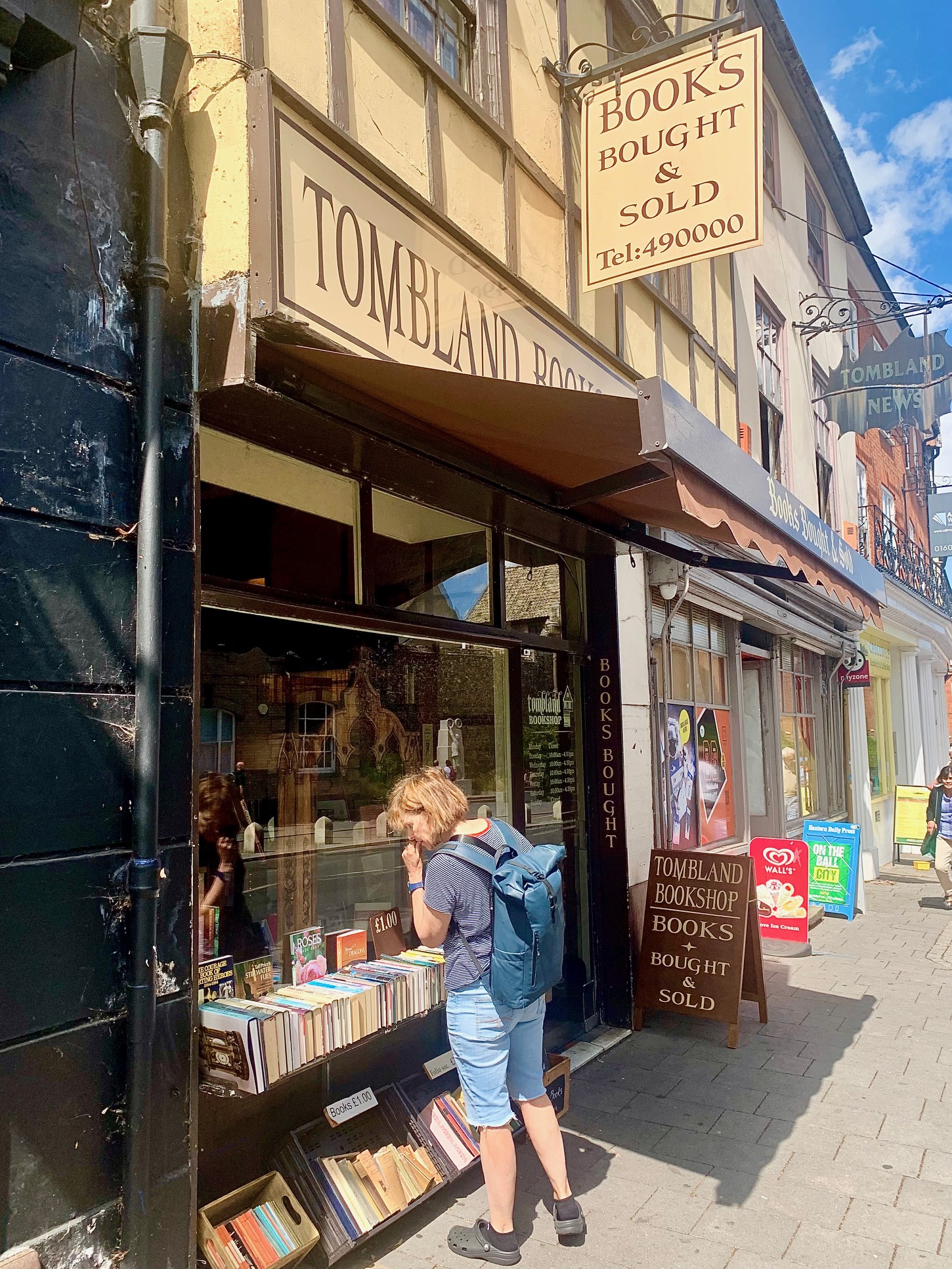
Tombland Bookshop,  8 Tombland, Norwich NR3 1HF

Norwich has deep literary roots: the city is England’s first UNESCO City of Literature (one of only 20 globally), the National Centre for Writing, where I took part in a Flash Fiction Writing Workshop at the National Centre for Writing in Dragon Hall back in 2019, and home to 13th/14th century Christian mystic, Julian of Norwich, the first woman to write and publish a book in the English language: Revelations of Divine Love is one of the earliest surviving English-language works written by a woman.
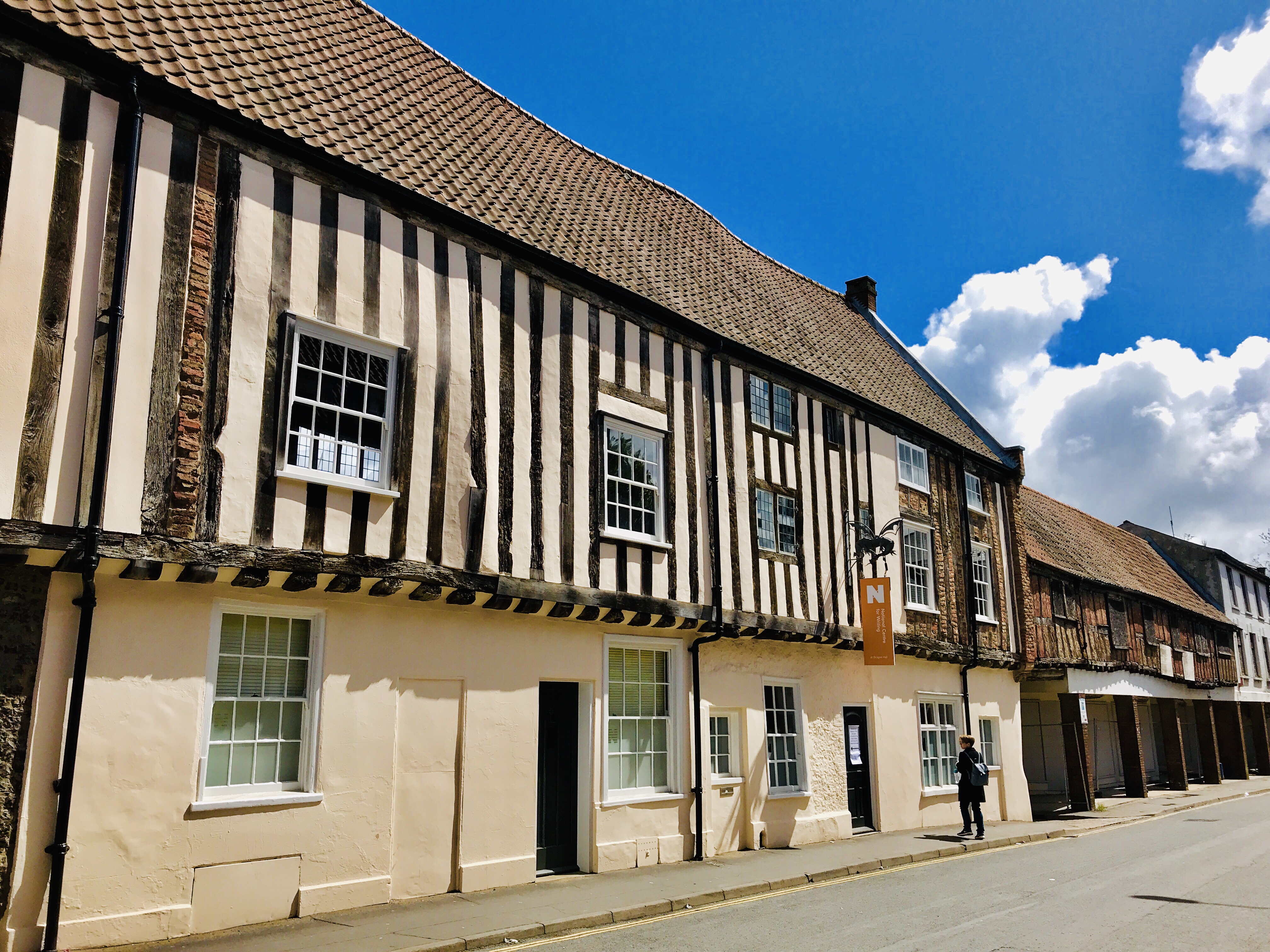
Dragon Hall, National Centre for Writing,
115–123 King Street, Norwich, NR1 1QE (photo taken in May 2019)

Other writers who have also called Norwich home include Thomas Browne, Thomas Paine, Ian McEwan, Kazuo Ishiguro, Emma Healey, Eimear McBride and Sarah Perry. I’m always thrilled to find a new secondhand bookshop, and this one is really impressive.

Tombland Bookshop, opposite the Norwich Cathedral, is a characterful bookshop, housed in a medieval 15th-century beamed building. They sell academic, secondhand, and antiquarian books across two and a half floors. The ground floor is split level and the open plan provides a sweeping entrance of bookshelves.
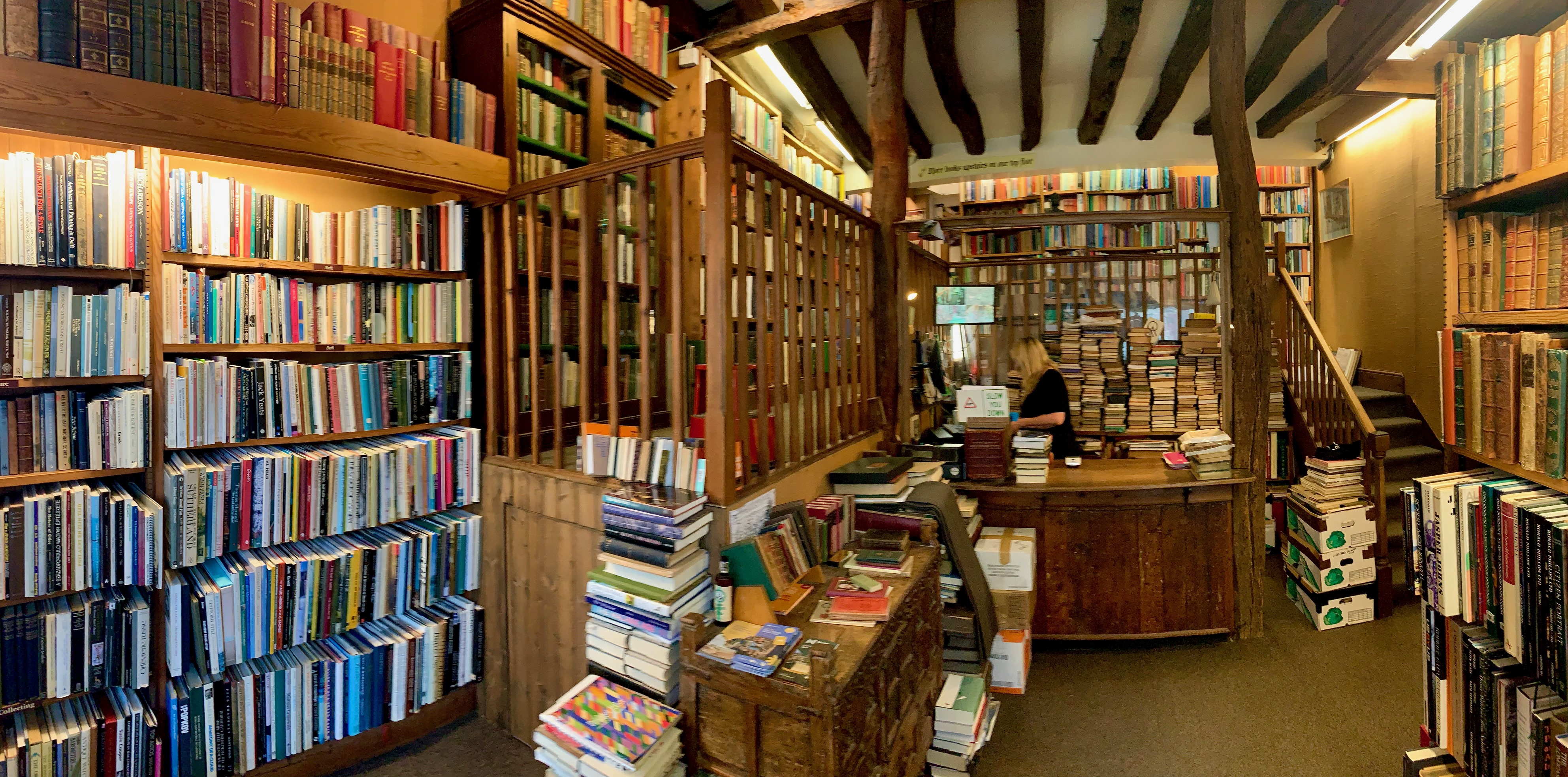
As well as buying and selling rare books, Tombland also offers book valuations, binding and restoration. It is the largest bookshop of its kind in East Anglia with books selling for between £1 and over £10,000.
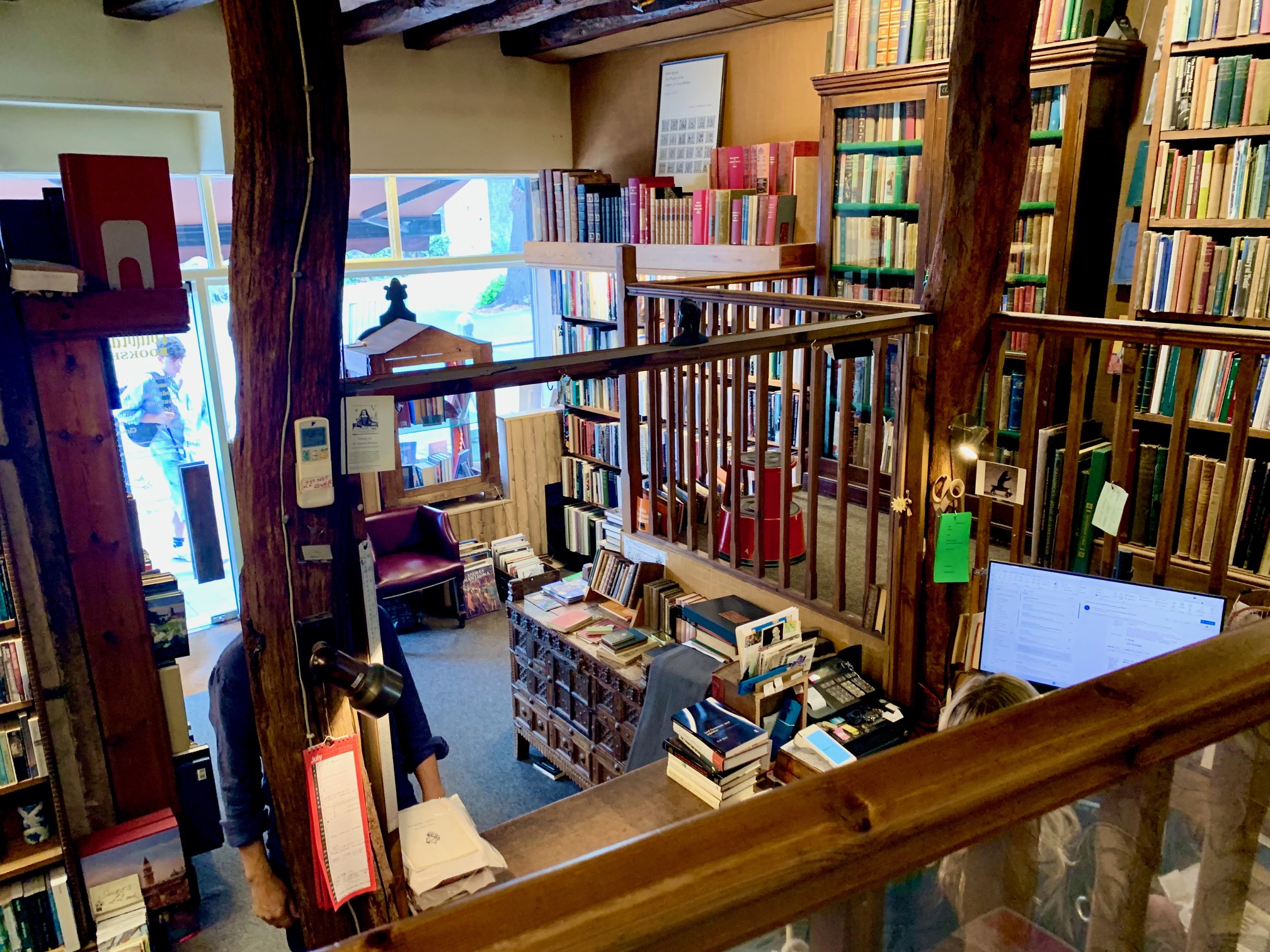
Tombland owes its name to the Tombland area of Norwich in which it resides, and finds its origins in the Danish word for ’empty space’ or ‘open land.’ This area was home to an Anglo-Scandinavian marketplace in the 11th century.
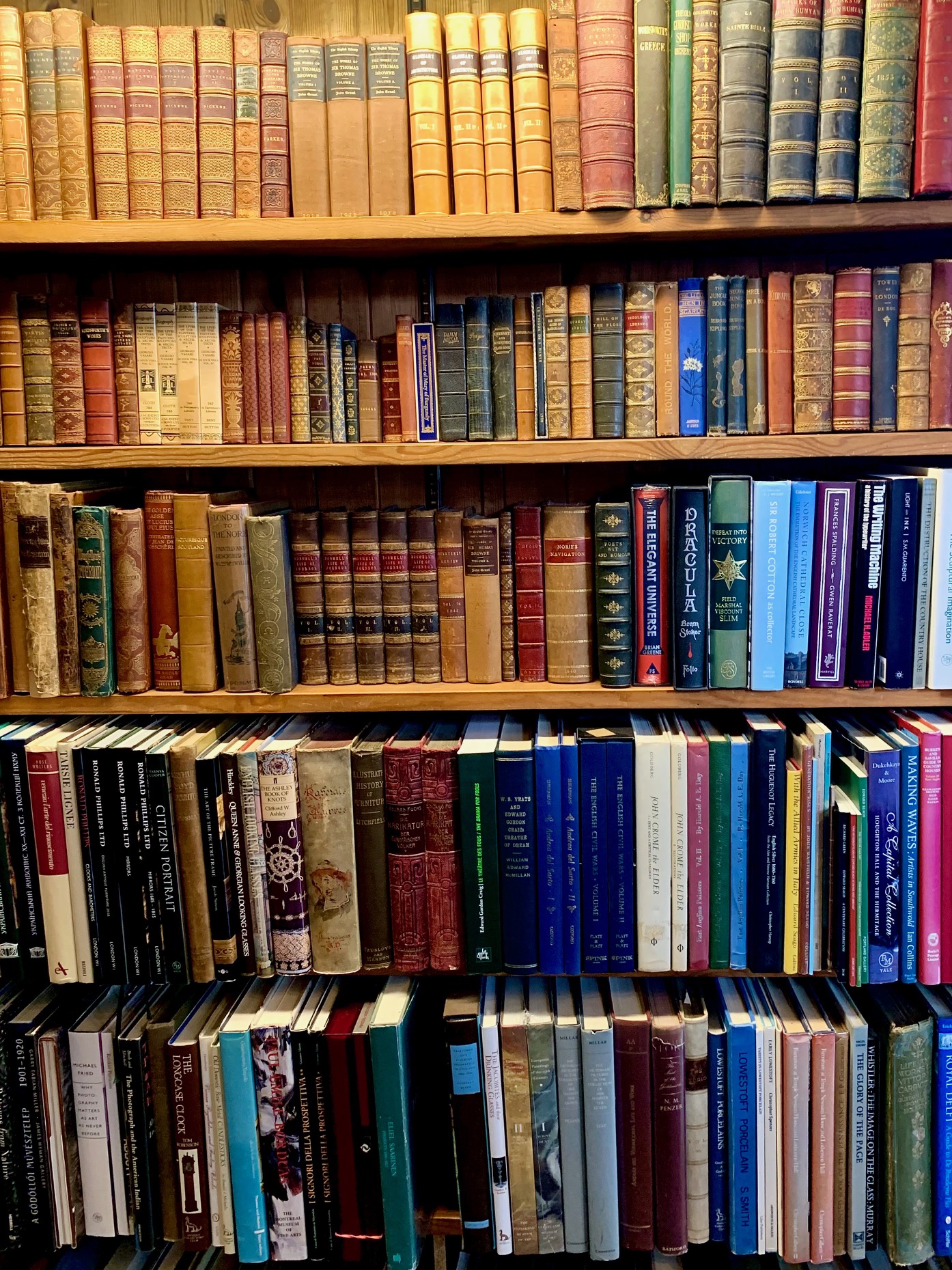
Staff are helpful and knowledgeable. It’s the kind of bookshop that you could spend hours in, and I wondered what it might be like to spend the day there, reading and writing.
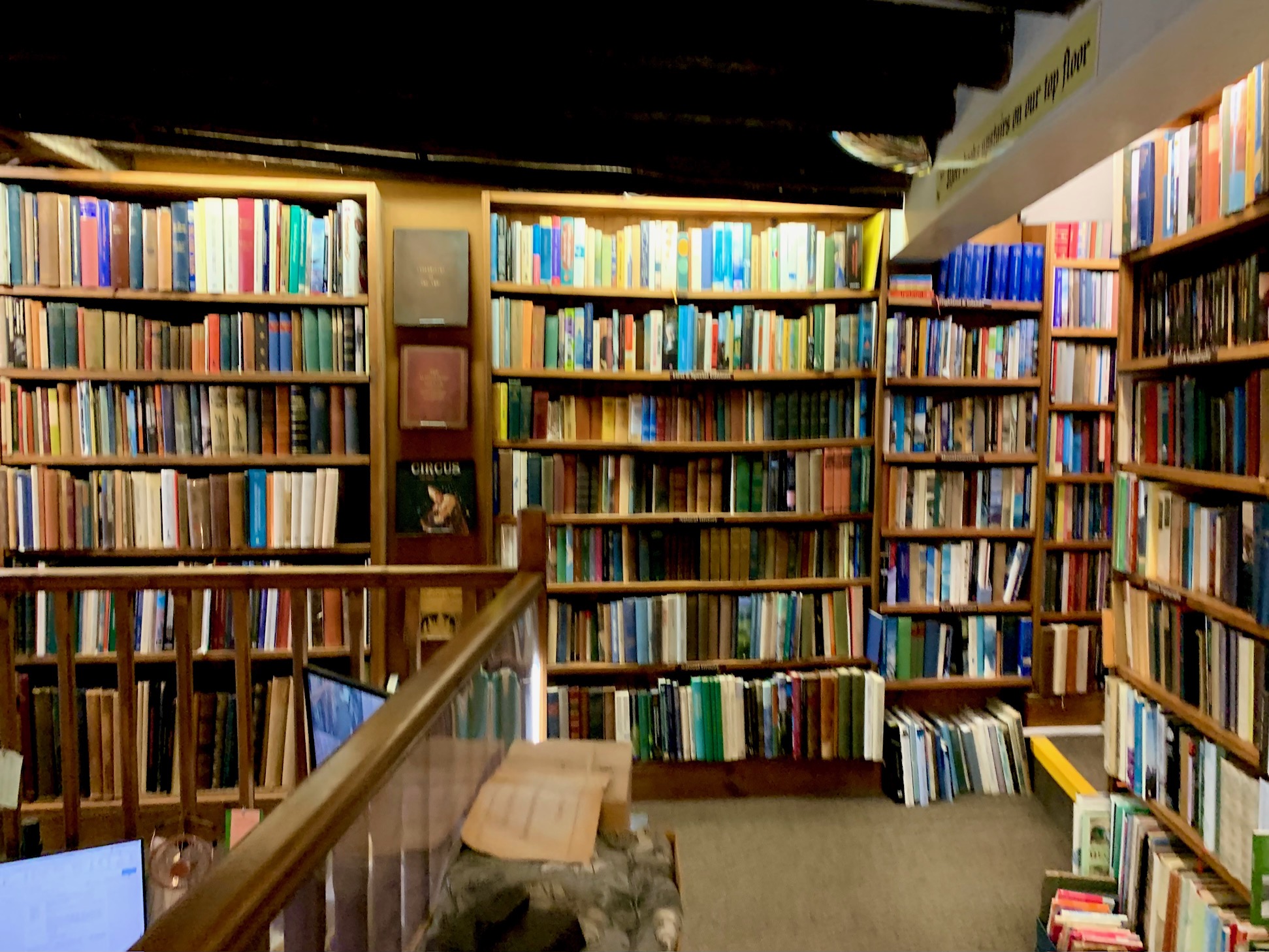
The last Drif’s Guide to Second Hand Bookshops rates Tombland as the ‘best bookshop in East Anglia’ and one of the dozen best in the UK. It’s not difficult to see why.
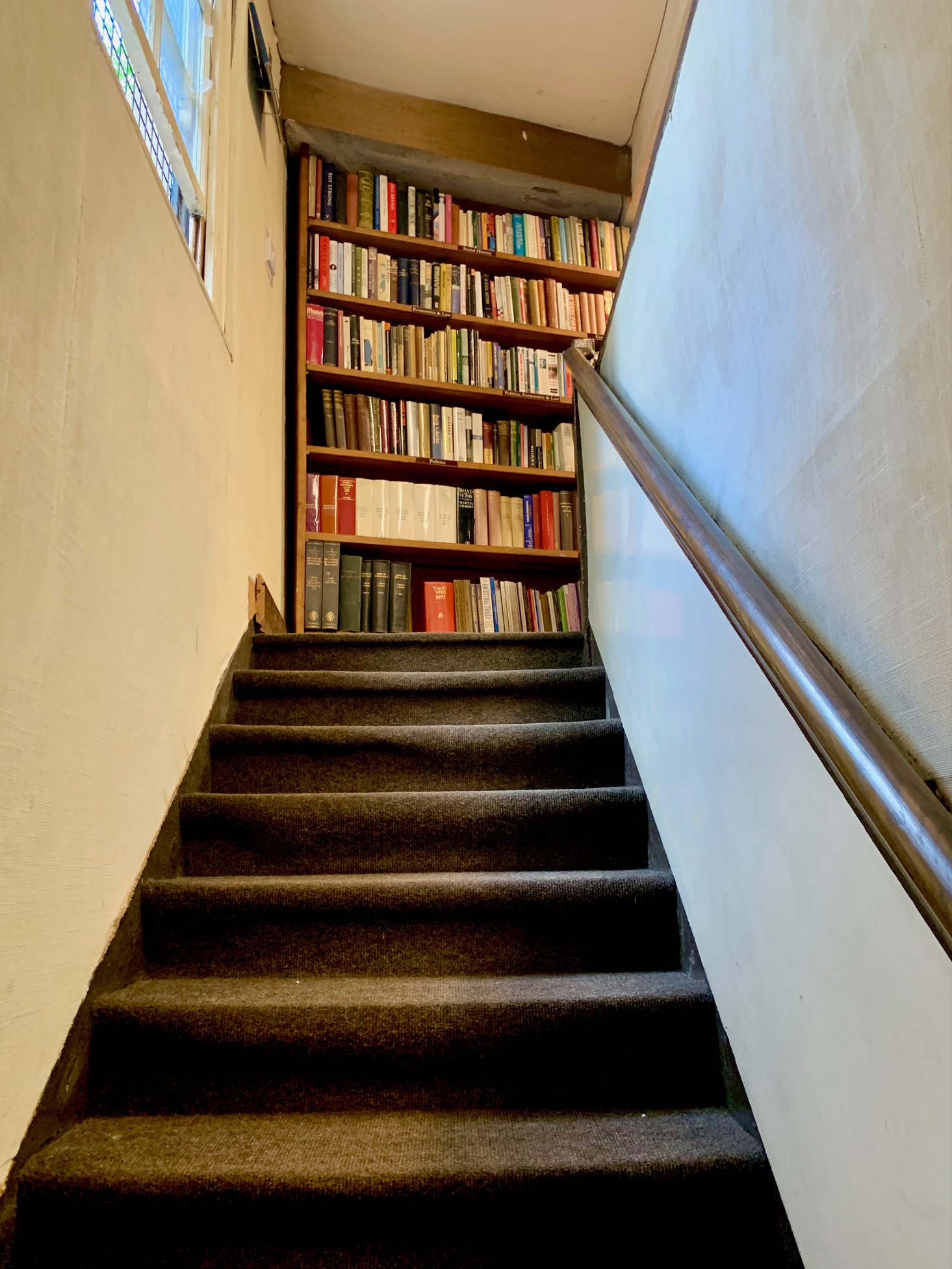
Staircase to top floor

The Independent also included them in their most recent guide as one of the 50 best bookshops in the UK.
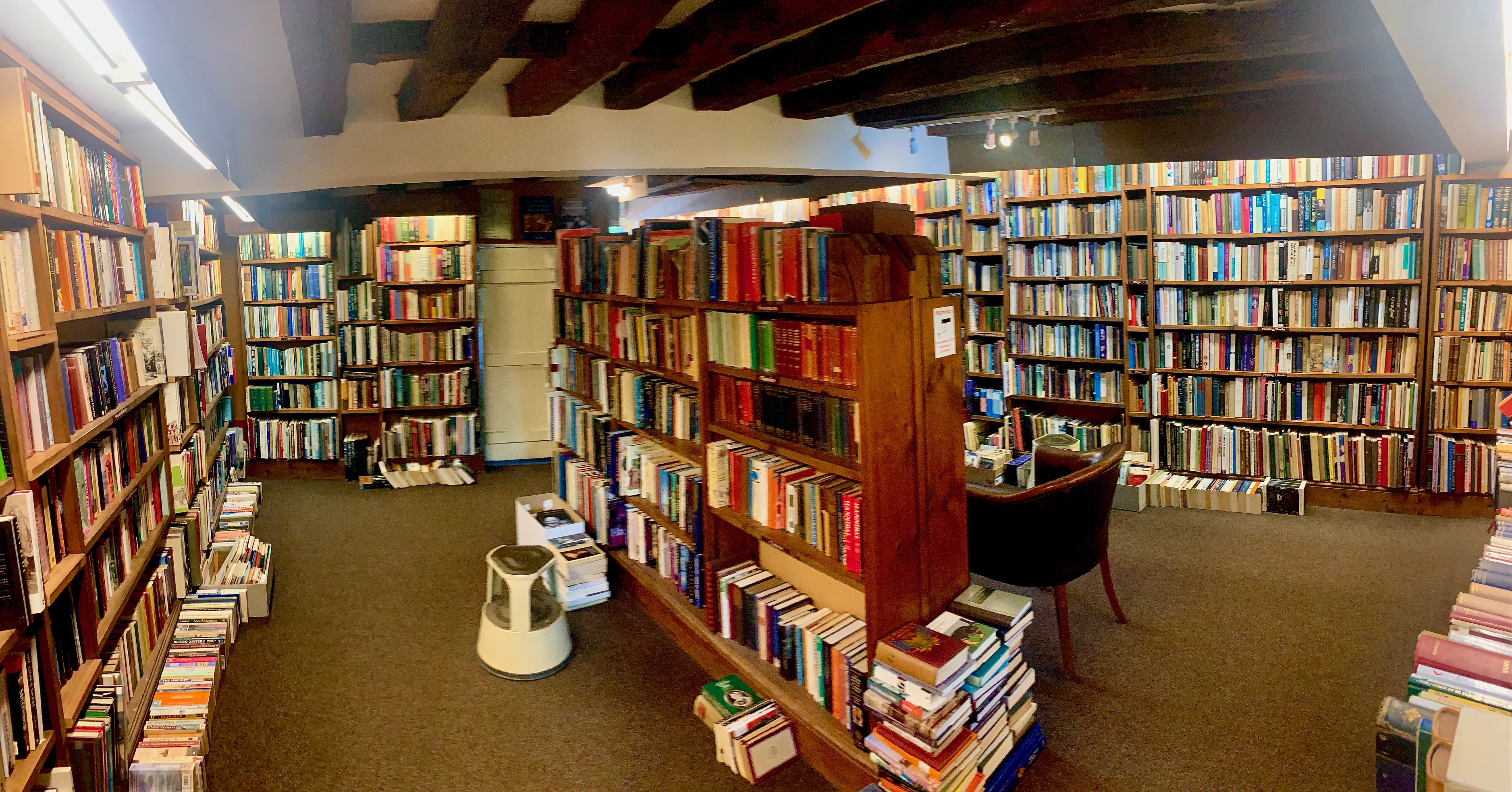
Top Floor

Although the building itself is medieval, the bookshop has been established for over 35 years, and includes books on art, architecture, local history, natural history and music, poetry, children’s books, travel, and academic books.
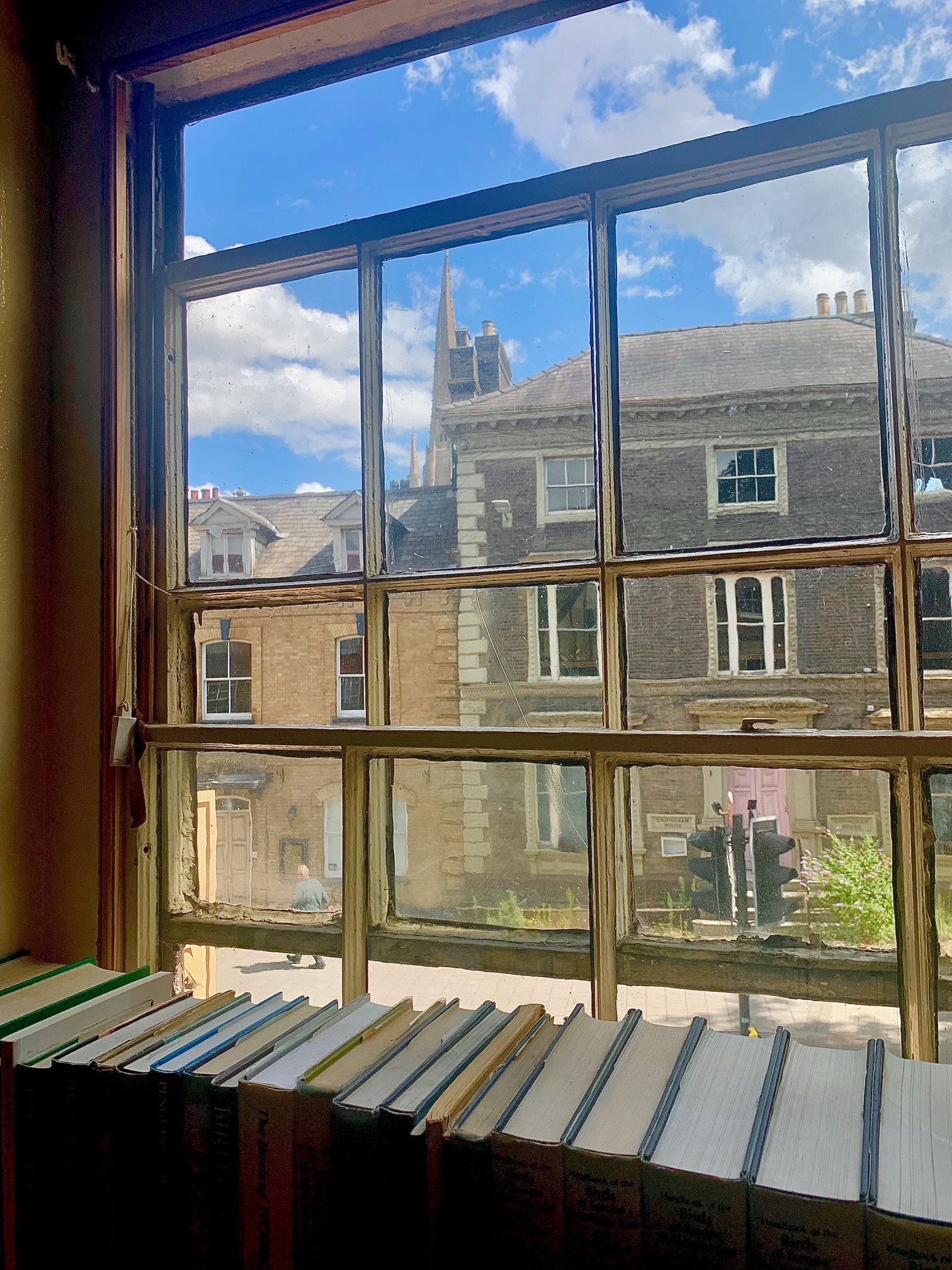
Cathedral View

I picked up some poetry books from Philip Larkin, Anna Crowe, Seamus Heaney, and Ted Hughes to add to my collection.
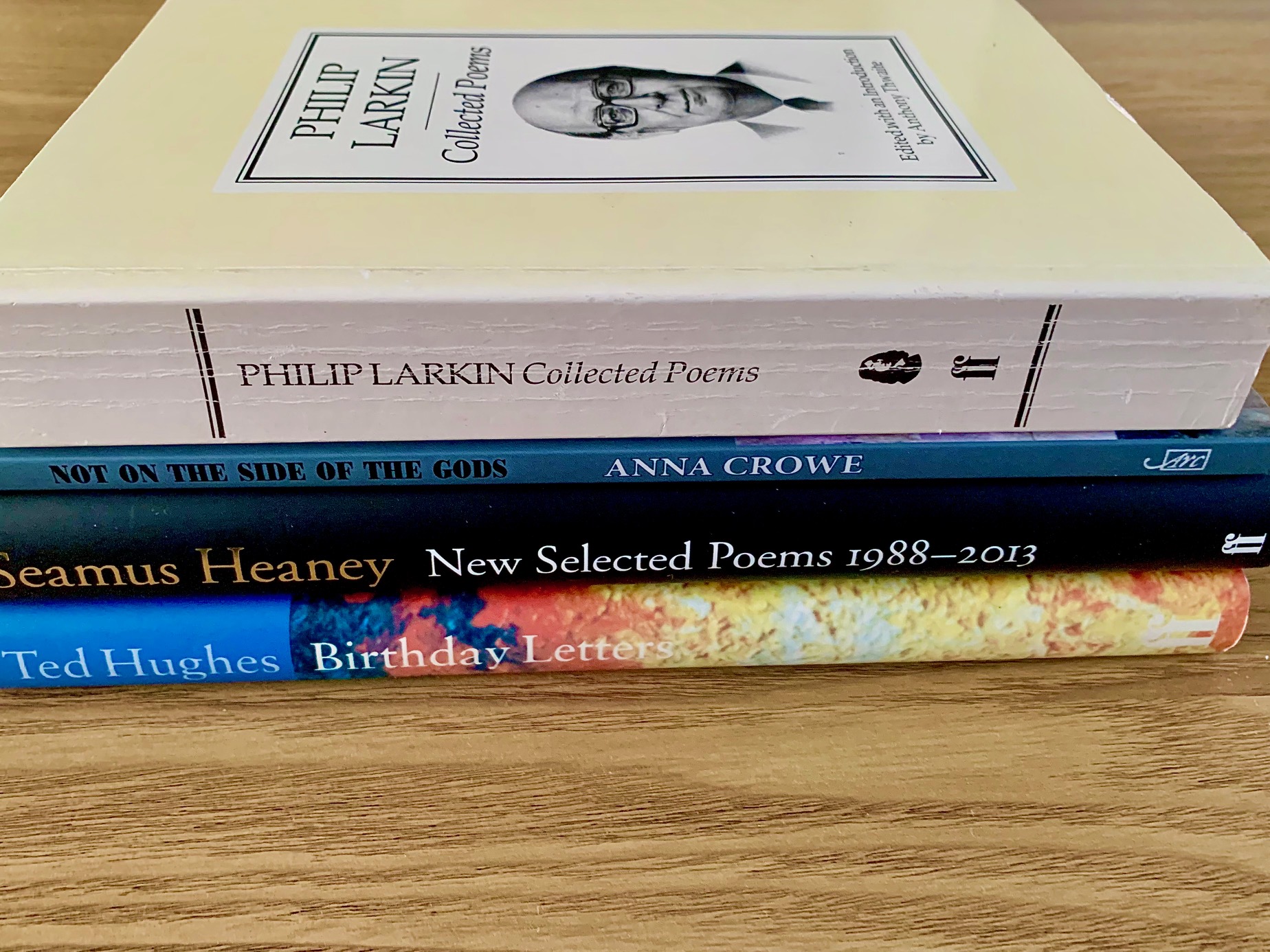
Poetry Collection Purchases

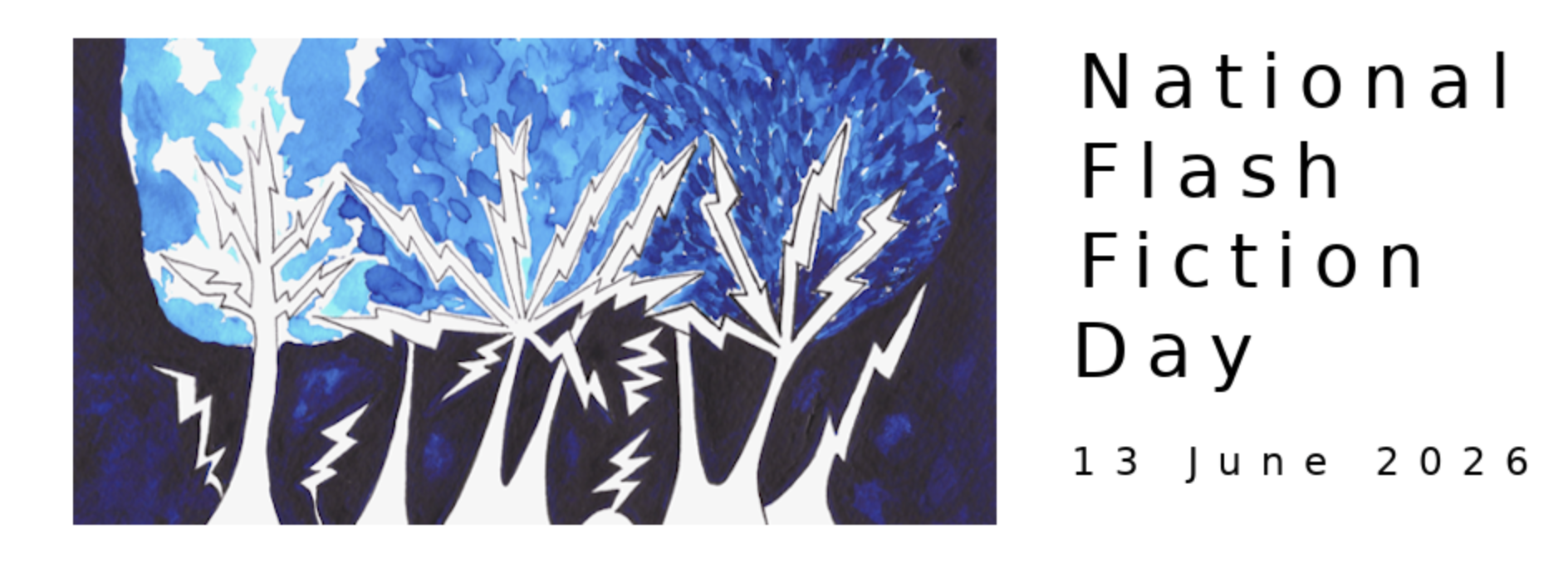
National Flash Fiction Day 2026 Anthology Line Up

I’m thrilled to share the news that my recent story, Lotus, has been selected for publication in the National Flash Fiction Day 2026 Anthology. Here is what the editors had to say:

After reading scads of brilliant stories on the theme of BRIDGES, editors Karen Jones and Sharon Telfer have finalised their selections for the 2026 National Flash Fiction Day anthology and for the third annual Editors’ Choice Awards.

Below is the list of the stories that will appear in this year’s anthology. Thank you so much to everybody who submitted their stories for consideration for this year’s anthology. It was an honour to read each and every piece.  We appreciate the chance to read your work! We hope that you will all join us for the launch of the anthology on National Flash Fiction Day later this year.

2026 National Flash Fiction Day Anthology Line Up

  • ‘A Brief History of Trolls’ by Anne Howkins
  • ‘A Frog Funeral’ by Finnian Burnett
  • ‘As Easy as Falling Off a Log’ by Paula Durance
  • ‘Bridge Over Troubled Water (Show Choir 6TH Grade)’ by Jessica Edmond
  • ‘Bridge Over Troubled Water’ by Mileva Anastasiadou
  • ‘Bridge That Gap with a Cadbury’s Snack’ by Alison Wassell
  • ‘Cantilever’ by James Roderick Burns
  • ‘Come On’ by Patricia Q. Bidar
  • ‘Dice’ by C. L. Spillard
  • ‘Doggerland (or, 10,000 years ago there were no migrant boats crossing the English Channel)’ by Erin Bondo
  • ‘Don’t Look Down’ by Hilary Ayshford
  • ‘Falling from the Mid-Point’ by Keith Rutter
  • ‘Forty-nine Hedgehogs and the Hump-bottom Bridge’ by Rosaleen Lynch
  • ‘Gentle Yoga Guide to Dealing with Materializing’ by Andy Lavender
  • ‘He and She’ by Shelley Roche-Jacques
  • ‘How to Fill the Space’ by Debra A. Daniel
  • ‘Hue and Cry’ by Sarah Masters
  • ‘If You Leave From the Southwest Gate and Follow the Cliffs for Half a Day, You Will Reach the Chasm, and the Bridge and the Heap’ by Jenna Muiderman
  • ‘In Hebden Bridge at Midnight’ by Lucienne Cummings
  • ‘Jack the Zoo’ by Jaime Gill
  • ‘Learning to Talk Like the Bridge Ladies’ by Lola Page
  • ‘Le Nez’ by Jill Munro
  • ‘Lotus’ by F. C. Malby
  • ‘Maybe Sarajevo’ by Cassandra Parkin
  • ‘Meet Me Halfway’ by Rob Walton
  • ‘Mile Marker 1.5’ by Steven Patchett
  • ‘Mothman Caused the Silver Bridge Collapse’ by Sonora Hills
  • ‘Mudlarking Under Richmond Bridge During the Annual Draw Off’ by Rachael Dunlop
  • ‘Nepenthes’ by Jules Foshee
  • ‘No Jerusalem for Alf Bridges’ by Andy Larter
  • ‘Northolt Park’ by Sally Jane Tate
  • ‘Nose’ by Rebecca Klassen
  • ‘On Southend Pier, Sergeant Cranley Doesn’t Cut the Mustard’ by Gill O’Halloran
  • ‘Placenta’ by Karen Arnold
  • ‘Reasons to Be with You Parts One to Five’ by Emily MacDonald
  • ‘Salad Days’ by Melanie Maggard
  • ‘Seven Bridges Road’ by Sara Hills
  • ‘Sister Benedict’ by Fiona Vigo Marshall
  • ‘The Calm After the Storm’ by Jo Rigg
  • ‘The Keep’ by Beth Sherman
  • ‘The Passing Place’ by Bryony Burton
  • ‘The Valley’ by Isabel McKeough
  • ‘The World Doesn’t Like People It Can’t Mold’ by Christina Tudor
  • ‘This Life’s Span’ by Audrey Niven
  • ‘Vivaldi in B, Please Hold’ by Nivara Lune
  • ‘Watermarked’ by Rosaleen Lynch
  • ‘What It Holds’ by M.M. Bailey
  • ‘What Single People Do on Sundays’ by Cath Holland
  • ‘When Will the Bridge Break?’ by May Suri
  • ‘Why I Sometimes Wish I was a Troll Under a Bridge’ by Rebecca Field
  • ‘Woman by the Spree, April 1945’ by Emma Venables

Author Ingrid Jendrzejewski Published on  Leave a comment on National Flash Fiction Day 2026 Anthology Line Up

Author Interview with Matt Haig

The Humans
From your experience of journalism, as well as novel writing, has one fed in to the other in any way?

Journalism teaches you to be economical with words. It tells you not to be too self-indulgent.

What do you most like to read and are there any books you have read recently that have stood out or changed you?

I read all kinds of stuff. I have been re-reading Graham Greene recently. I studied him at university. Did a whole module on him. I think, from the outside, my books are nothing like his, but I consider him my greatest influence.

What have been the most difficult things to write about and why?

There is some mathematics in my new novel, and I had to look like I knew what I was talking about, so I researched, and I quickly saw how so many mathematicians go crazy.

You have said that The Humans, your new book, is the one work you would most like to be remembered for. Although you have written several other books, what has given you confidence in this project in particular?

Because I totally cut loose. A part of me used to play the game. You know, I used to be trying to be highbrow, or taken seriously, and that somehow got in the way. With this, I knew it was probably going to be published whatever (as my last book did quite well) so I just went for it. Comedy, science-fiction, sentimentality – all those illegal things.

What advice would you give to new writers on their path to publication?

Be brutal with your writing. Don’t let yourself have it easy. And then be persistent, and thick-skinned, for everything that follows.

What do you enjoy doing outside writing and reading?

Being with my kids, toast and peanut butter, running, holidays. I am not into fancy things, but I am into fancy holidays.

If you could meet any well-known figure, living or dead, who would it be and why?

Emily Dickinson, without a doubt. Amazing mind, intriguing person. She’d be too shy to open her front door though, so that’d be a problem.

Matt Haig

Matt has written novels, screenplays, children’s novels and worked as a journalist, collaborating with The Guardian, The Sunday Times and The Independent. He has won a range of awards, including the Yorkshire Young Achievers ‘Achievement in the Arts’ Award in 2009, and his novels have been translated into 29 languages. The film rights for his first novel, The Last Family in England (2004), have been sold to Brad Pitt’s production company. His previous novel, The Radleys, won an ALA Alex Award in America, has been shortlisted for the Portico prize and nominated for the Carnegie Medal. It won the TV Book Club Summer Read. He was born in Sheffield, Yorkshire in 1975. Since then he has lived in Nottinghamshire, Ibiza and London. He studied English and History at Hull University and then did an MA at Leeds, and now lives in York with author Andrea Semple and their two children.

www.matthaig.com

Two New Short Story Publications

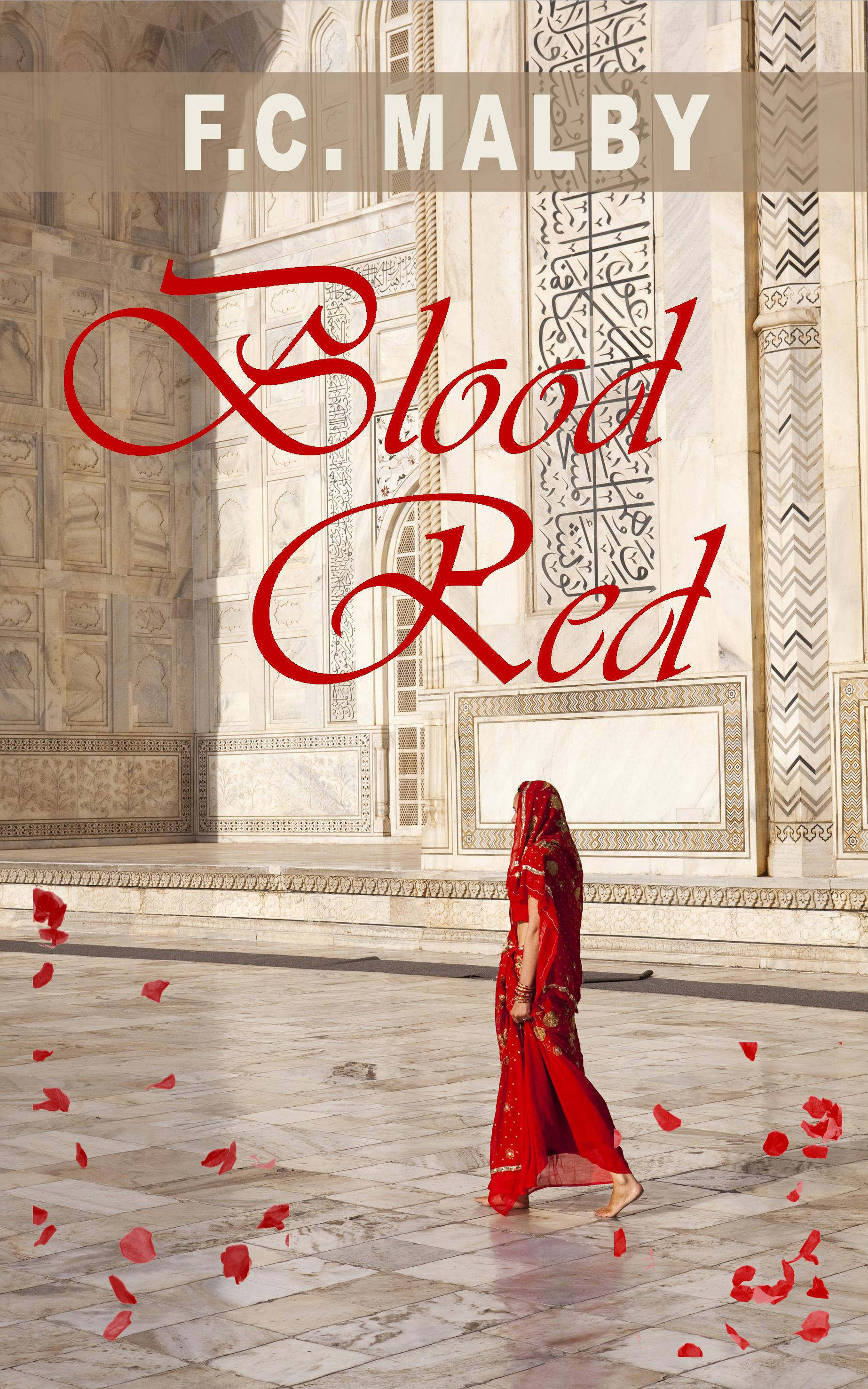
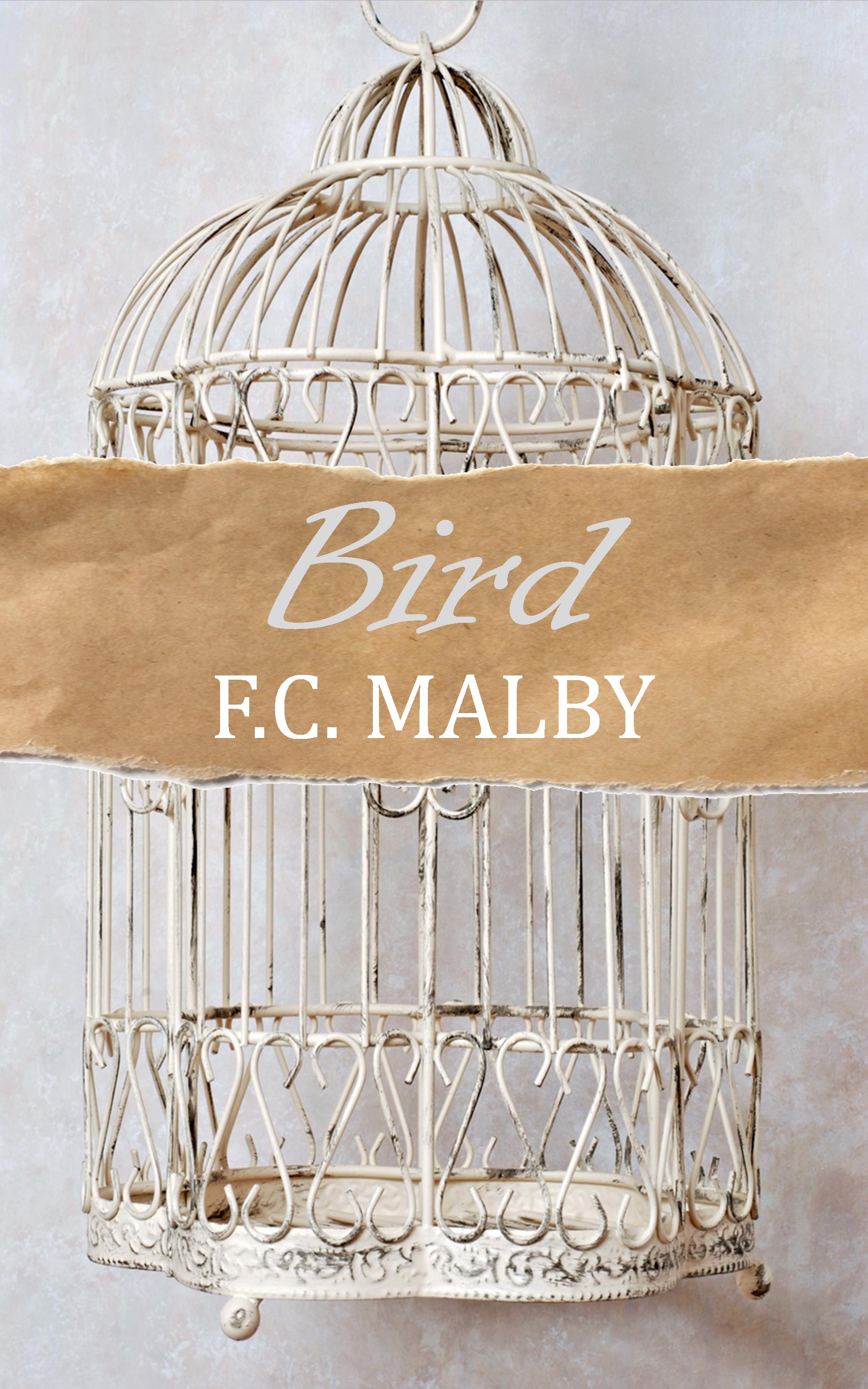
It has been encouraging to receive such a positive response to my first published short story, The Bench. Take Me to the Castle is continuing to sell well, both in paperback and eBook formats. Several readers have been asking when the next short story will be released. I am pleased to announce the publication of two short stories: BLOOD RED and BIRD. You can download copies by clicking on the images on the side bar at the right. Here is a little information on each one.

Blood Red

Blood red cover final

This short story set in India reveals the hidden tension in the mind of a young boy as he has to let go of the girl he loves for an unknown young bride chosen by his parents. But as the wedding day approaches, will he be able to follow his parents’ wishes in the face of his passion and quiet desperation?

Bird

Bird cover
A caged bird, an aging mother and a family loss that noone will talk about. This short story delves into the pain and longings of a girl caring for her mother with an insight into the world through her unspoken wishes.

Short Story Publications

This is just a short post with some news, written mainly because of several messages I have had from people about short story writing.  I am hearing from an increasing number of authors who enjoy writing novels, but feel intimidated by short stories, or worry that the form is so different that it would be hard to adapt to the change of style and, obviously, the length of prose.

I published a post on short story writing earlier this morning which might be useful, and I wanted to let you know that several pieces of my short fiction have just been published online. They have all been written in the past six months, so I am fairly new to the form, but it is clear to say that I am hooked. Please let me know how you get on if you decide to try writing any short pieces. I would love to read them.

I normally only send publication news to those on my mailing list but, if you would like to read my published work online, you can find Berggasse 19 in The Puffin Review and I.P. in the Flash Flood Journal (many of you will have read it from an earlier post.)

I am also excited to be able to tell you that Ether Books have just this week published four pieces: Confessional, The Edge of Wandsworth Common, Tomatoes and Thicket, and Un/wanted. These can all be downloaded, free of charge, to your phone.