Hemmingway’s Tip Of The Iceberg: Omit What the Reader Knows

iceberg3

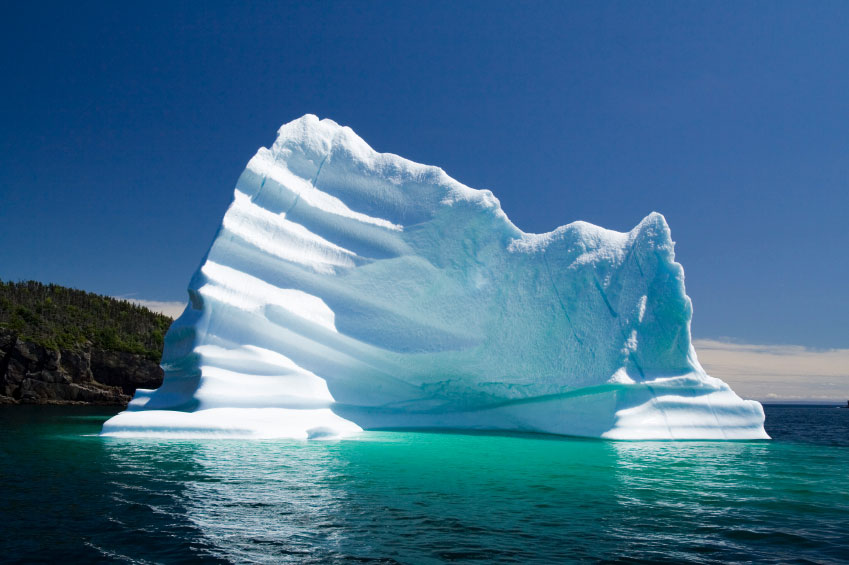
If a writer of prose knows enough of what he is writing about he may omit things that he knows and the reader, if the writer is writing truly enough, will have a feeling of those things as strongly as though the writer had stated them. The dignity of movement of an ice-berg is due to only one-eighth of it being above water. A writer who omits things because he does not know them only makes hollow places in his writing.
—Ernest Hemingway in Death in the Afternoon[1

This quote from Hemmingway’s, Death in the Afternoon, is a timely reminder that most of what the reader picks up from a really good piece of prose is submerged. Writers sometimes go to great lengths to make sure that the reader understands every detail and assumes a lack of understanding. Writing can, in this instance, lose it’s subtlety and and crush the flow of the words. You can feel what a good writer is implying without the words actually reaching the page. A good book is charged with these undercurrents and the reader can dig down and grasp emotions and ideas which are never actually written.

To give an example, yesterday I read the Costa Short Story Award winner Avril Joy’s beautiful piece, Millie and Bird. I won’t give anything away but the key theme is always implied, never stated, and deftly written in the hands of a writer who knows her craft. Her story is both lyrical and compelling. Those of you who have been following know that I am currently immersed in short stories (both reading and writing) and I was particularly struck by this one. A well deserving winner, I would say.

Alison Moore’s, The Lighthouse, also follows a strong theme of rejection and loneliness without it ever being stated. The reader is swept away by the desperation of the protagonist’s situations in both his past and present.

I particularly like Hemmingway’s description of the dignity of an iceberg’s movement. Remembering that those critical seven eights of its mass are under water should serve as a warning not to push everything up to the surface or to write all the words into the frame of your picture.
Chekhov, Short Stories and Goals for 2013

This year has been a whirlwind of editing, marketing and publishing for me, a year where I started to build a platform and an internet presence as a writer – something which is a necessity for both traditionally published and self-published writers. It might sound familiar to many of you, but if I tell you that for the past five years I have been tucked away writing, with no sign of my name on Google and no contact with other readers and writers, you can imagine how much things have changed.

I winced at the thought of loading my photo and sharing ideas from my heart about my passions, and what I enjoy reading and writing. I shuddered at the idea of my thoughts being public, but what I have discovered is that the relationships you build online overtake any fears. The people I have met here, on facebook, twitter, and goodreads have been interesting, inspiring, and encouraging. These are all people who are passionate readers, a range or writers over all types of genres, and marketers with a vast experience of online communication.

So, now that we are nearing the end of 2012, I have been thinking about my goals for 2013. I haven’t had time to come up for air but my mind is always full of writing ideas and next steps, it is constantly wanting to create.

Having spent several years crafting ‘Take Me to the Castle,’ a novel which I am pleased to release, with the kindle version on special offer over Christmas and the New Year, I now want to spend next year reading and writing short stories and flash fiction. I wrote many of both types of story as I neared the end of the edits of my book, as I was craving some writing time. Editing and writing are two entirely different processes and I defy you to find any author who prefers editing to writing. The first draft goes through many many changes and morphs into a different form to the original version. This is a good thing – first drafts can sometimes miss essential ingredients, have too many unnecessary words, or just not be tight enough for a compelling story.

Short stories and flash fiction:

I found in these a style of writing which suits my writing. I love the condensing or framing of a story into 350 words or 3000 words. You can create so much suspense and exagerate themes in a way in which they would be lost in a longer piece of prose. I read many different stories, mainly short stories, and wrote many which I will be publishing next year.

I wanted to share with you two books which are on my table to read over Christmas and into the New Year:

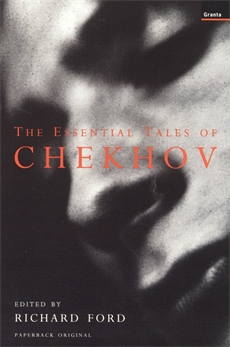
Image I love Chekhov’s short stories, they are powerful, full of enticing detail, and captivating. His literary genius is timeless; he wrote in a way that makes his tales just as readable now as they were in the 1800s. Anton Chekhov was a Russian playwright and short story author. As a doctor, also, who helped the poor, he was disturbed by the darker aspects of society. His father was a tyranical figure, and this has cast its shadows in his writing. I have already dipped in to ‘The Essential Tales of Chekhov,’ and am hugely enjoying the stories. There is a really interesting account of his life in the Guardian if you are interested in further reading…

http://www.guardian.co.uk/books/2010/feb/06/anton-chekhov-short-stories

Image

In time for this year’s National Short Story Week, ‘Overheard: stories to read aloud,’ was released. It is edited by Jonathan Taylor and, wrapped within it’s beautiful cover, are a collection of stories from over 30 of the UK’s most popular storytellers, including Louis De Bernières, Blake Morrison, Kate Pullinger, Salman Rushdie, Ian McEwan, Adele Parks and Hanif Kureishi.

I bought this as it was released in November of this year, as I really enjoy reading books by Louis De Bernières and Ian McEwan. It is now tucked it away for the cosy (post editing) winter evenings.

So my goals are to read and write many short stories in the coming year. What are your goals for books to read, or ideas to write?