So When Are You Going To Write A Proper Book, Then?

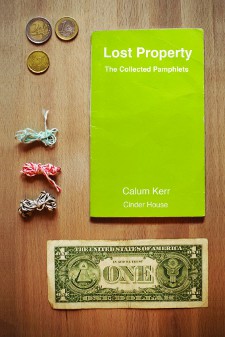
I am pleased to welcome the Director of National Flash Fiction Day, Calum Kerr, for a guest post on the short fiction form. His new collection, Lost Property, brings together four brand new pamphlets of flash fiction, featuring Singsong, Soaring, Burning and Citadel. The collection contains 83 stories that move from the hilarious to the sinister and demonstrates the unique nature of ultra-short fiction.

lostpropertyfrontsm

If you are a writer of flash-fiction, short-stories, possibly poetry and maybe even non-fiction, this is a question which may be familiar to you. The person posing the question might be a complete stranger, maybe at some reading or signing event, but is more likely to be a friend or even a relative. You proudly show them your collection of stories or poems, or your book on how to knit cartoon characters, learn economics or install a Linux system on your PC, and they glance through it, nod appreciatively, and then they work their way towards the question.

“So. Well done. This looks good, doesn’t it?” is the opening move.

“Yes. I’m very pleased with it. I think it’s come out very nicely,” is your response.

“Must have been a lot of work.”

“Yes. But enjoyable. Apart from the editing, ha ha…”

“Ha ha, yes.” They nod and look through the book again, then up at you. “So…” they start, and this is where you should stop them, because you know what’s coming next.

“It is a proper book. It has a cover. It has loads of words in it. I did research and everything. People will buy and read it – okay, not in JK Rowling numbers, maybe, but some of them. It has an ISBN number and can be bought from Amazon and those funny old places that people used to go into. You know, bookshops.” Is what you want to say. But you don’t. Instead you let them continue.

“So… when are you going to write a proper book, then?” they ask, and you somehow restrain yourself from swinging for them.

Because, of course, they don’t mean to say that your collection or non-fiction opus is not a ‘proper’ book. They mean ‘when are you going to write a novel’. That’s what it’s all about, after all, isn’t it? Collections of things are nice, but they’re just little stories or poems, not a good chunky page-turner. Non-fiction books are useful, but you don’t settle down on the sofa on an autumnal afternoon to read them. They live on shelves until you have occasion to reach for them. No, they’re talking about the All-Powerful Novel and the place it holds in the public imagination as the pinnacle of writing and the thing that every writer is surely aiming for.

And this is the problem for writers, especially of flash-fiction or short stories. Because each of the small parts looks inconsequential; trivial. There might be many of them, and they might make up a 200 page collection containing 60-70,000 words, but still, you can see the joins; you can see where the writer started and stopped. Not like the seamless flow of a novel (which was surely written in a single, sleepless week of endless typing). And, of course, you are writing prose fiction, so surely you must be working your way up from these little things to try and join the big boys with their ‘proper’ books.

Now, don’t get me wrong, many flash-fiction and short story writers do have aspirations to be novelists, or at least have found an idea coming to them which is too big to cover in just a few hundred or few thousand words, and so are working towards a much longer piece. But that does not mean that they have finally, in some indefinable way, graduated to the big leagues. They have not left behind their childish play with those tiny tales and taken the brave step to write longer. They are simply following their muse where it takes them, and sometimes your muse takes you longer.

But all of those same flash-fiction and short story writers who are dabbling in the world of novels, at least those I know, still love and respect the short form. They are not what we write because we can’t manage the long things. They are the things we write because there is a value to a short story or a flash-fiction, an intensity, a chance at experimentation, and a specific purpose that you simply can’t achieve in the novel.

We don’t write stories because we are waiting for our turn to write a ‘proper’ book. We write stories because they need to be written, and because we love what they can do that all of your ‘proper’ books can’t.

So next time someone looks at your collection of flashes, poems, or your non-fiction work and seems about to ask that fateful question, stop them, point to the cover and ask them: “So, when are you going to read a proper book, then?”

calum-200x180   Calum Kerr is a writer, editor, lecturer and director of National Flash-Fiction Day in the UK. He lives in Southampton with his wife – the writer, Kath Kerr – their son and a menagerie of animals. His new collection of flash-fictions, Lost Property, is now available from Amazon, or direct from the publisher, Cinder House.

Two New Short Story Publications

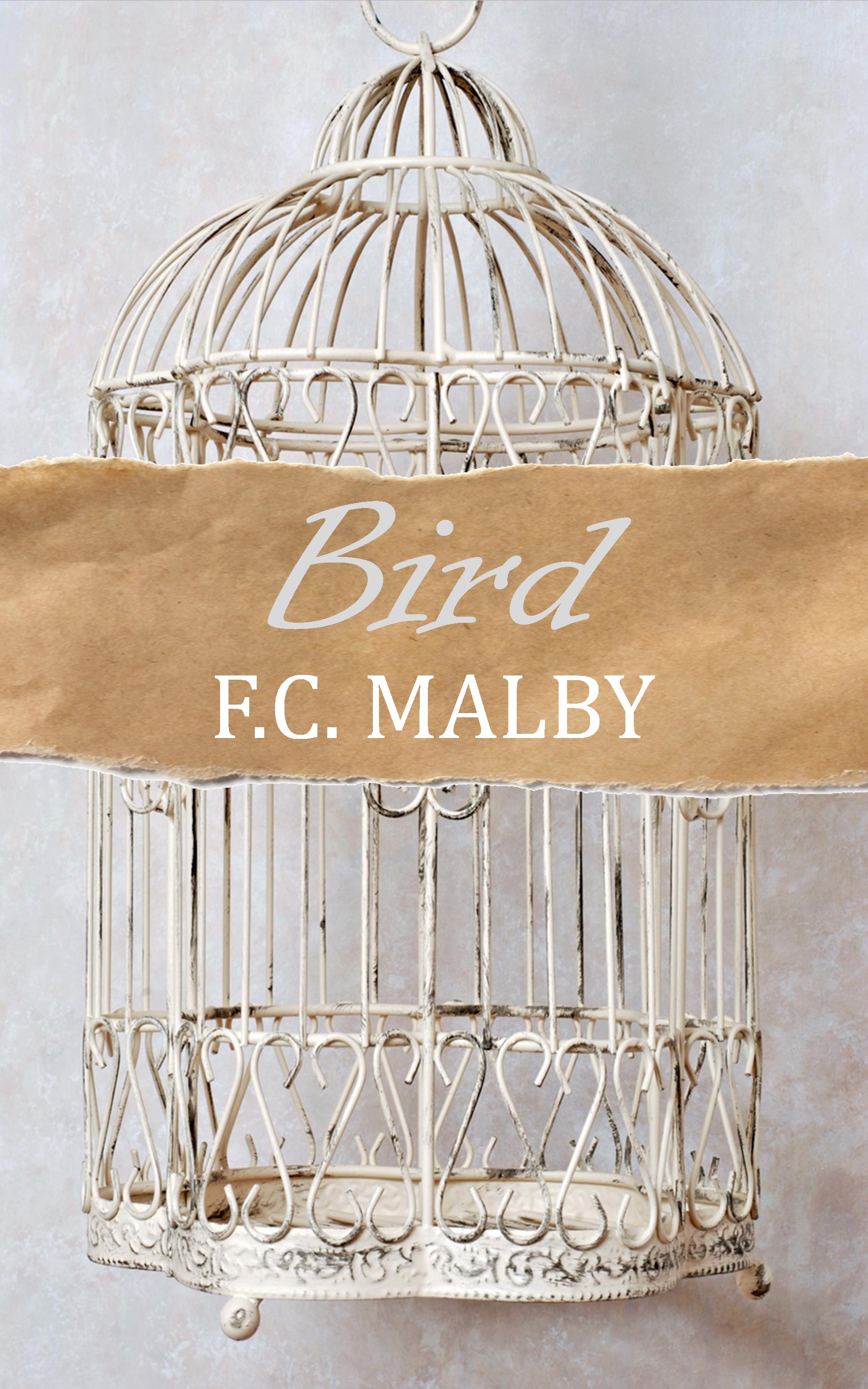
It has been encouraging to receive such a positive response to my first published short story, The Bench. Take Me to the Castle is continuing to sell well, both in paperback and eBook formats. Several readers have been asking when the next short story will be released. I am pleased to announce the publication of two short stories: BLOOD RED and BIRD. You can download copies by clicking on the images on the side bar at the right. Here is a little information on each one.

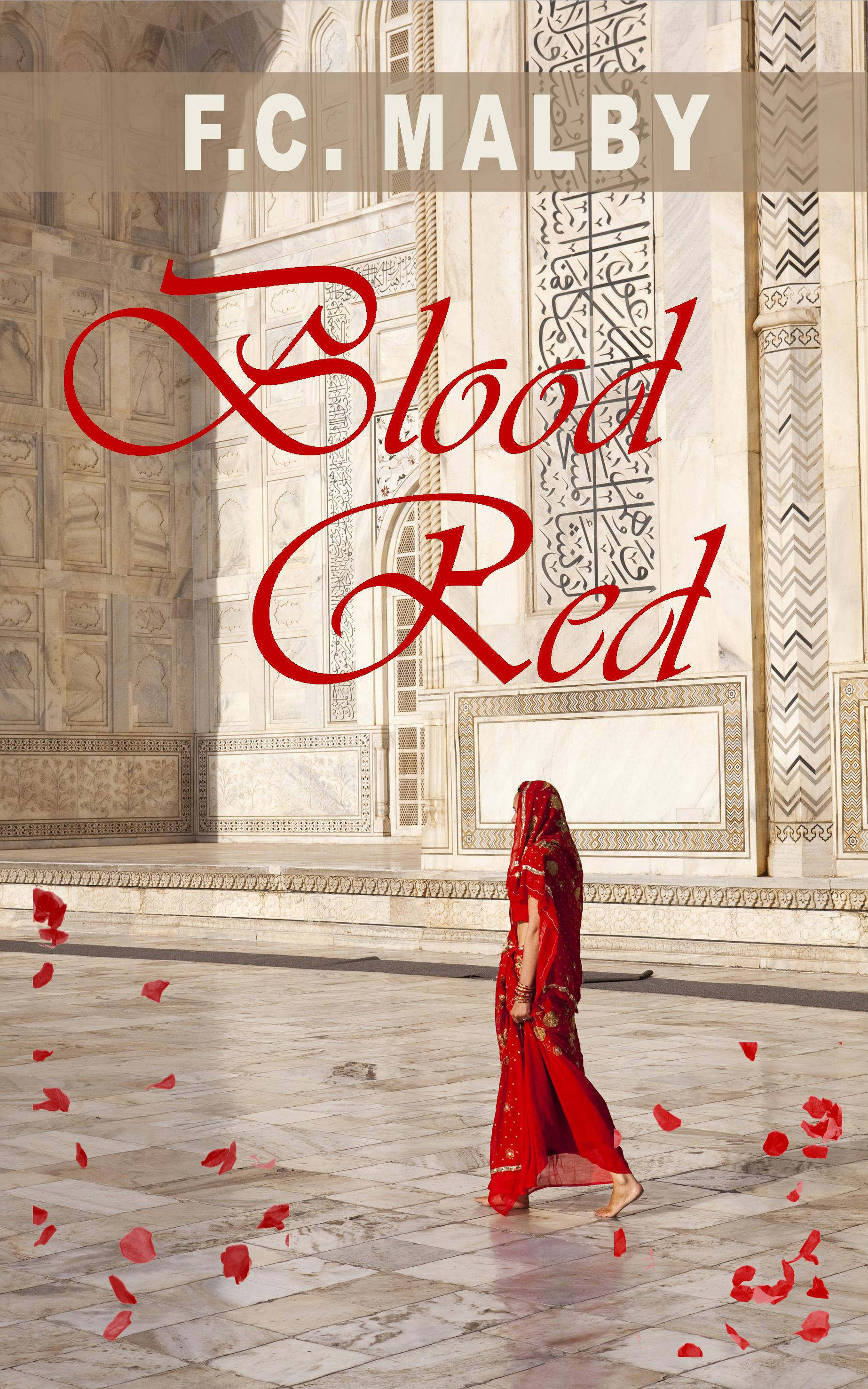
Blood Red

Blood red cover final

This short story set in India reveals the hidden tension in the mind of a young boy as he has to let go of the girl he loves for an unknown young bride chosen by his parents. But as the wedding day approaches, will he be able to follow his parents’ wishes in the face of his passion and quiet desperation?

Bird

Bird cover
A caged bird, an aging mother and a family loss that noone will talk about. This short story delves into the pain and longings of a girl caring for her mother with an insight into the world through her unspoken wishes.

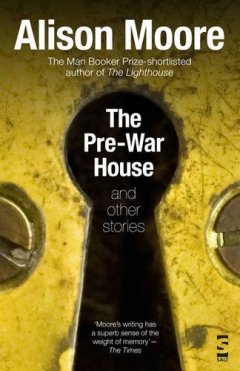
Book Review: The Pre-War House and Other Stories

50fac95bde404 (1)

I have eagerly awaited the publication of Alison Moore’s debut collection, The Pre-War House and Other Stories. As regular blog readers know, I am an advocate for short fiction and I read and write as much of it as time allows. It’s a real joy to be able to review this collection of short stories.  I was kindly given an advanced copy by Salt Publishing, for which I am very grateful. The Lighthouse, Moore’s debut novel, was shortlisted for the Man Booker Prize in 2012 and I read it in one sitting. I hoped for the same emotional tension, her attention to detail, and a surprising climax in her short stories, and this collection did not disappoint.

The short stories in Pre-War House are drawn from a selection of magazine and anthology publications over a period of twelve years, alongside new and recently published work. Moore’s stories have been shortlisted for more than a dozen different awards (see below) including the Frank O’Connor International Short Story Award 2013 for this collection.

The stories are evocative and often sinister, honing in on the details of everyday life with extraordinary insight into human nature and the many fears, often unspoken. Moore has a great sense of control over her prose, her language is understated and therein lies the power of her writing. She uses words which evoke a sense danger, of loss or unease.

I had previously read When the Door Closed, It Was Dark, and reading it again provided the same sense of threat and menace through the tightly written sentences as they wound their way towards an uneasy ending. There is something inherently satisfying in reading a story of this quality which makes you catch your breath as you turn the pages.

Overnight Stop left me gripping my seat as I read in disbelief. The plot lends itself to a novel length prose and this is no mean feat for a short story. This piece is a perfect example of Moore’s ability to play with your emotions and draw you in to the scene with frightening reality.

Seclusion lulls you into a false sense of security before packing a punch towards the end. The insight into one life is portrayed with telescopic accuracy.

Sleeping Under the Stars brings in details of Stargazy Pie, Liqourice laces and kirby grips with a layered story of the difficulties of fractured families. The ‘goosepimpled arms’ give a sense of foreboding, and words such as ‘queezy’ and ‘sickening’ provide a parallel for the emotional distress involved in the story.

Many of the themes centre around family, relationships, loss, and uncertainty. Some of the stories create a sense of claustrophobia as the characters become trapped in situations beyond their control. Each piece has its own unique style but the thread weaving through the collection is an intangible sense of anticipation. It is a delicious read and, having read some of the stories a few times, it is something I will keep going back to. A remarkable debut collection which comes highly recommended.

‘Overnight Stop’ (The Lampeter Review issue 7)
‘Sleeping Under the Stars’ (The Nottingham Short Story Anthology 2012)
‘A Small Window’ (The Warwick Review vol.6 no.4)
‘Jetsam’ (Ambit issue 211)
‘Seclusion’ (Paraxis volume 4)’If There’s Anything Left’ (The Yellow Room)
‘It Has Happened Before’ (Shadows & Tall Trees issue 4)
‘Trees in the Tarmac’ (The New Writer issue 112)
‘Sometimes You Think You Are Alone’ (The Screaming Book of Horror, 2012)
‘Small Animals’ (Nightjar Press, 2012)
‘The Yacht Man’ (The New Writer issue 111)
‘The Smell of the Slaughterhouse’ (The New Writer issue 111; Best British Short Stories 2013)
‘Glory Hole’ (The Lightship Anthology: 1)
‘The Egg’ (Murmurations: An Anthology of Uncanny Stories About Birds, 2011)
‘When the Door Closed, It Was Dark’ (Nightjar Press, 2010; Best British Short Stories 2011)
‘The Pre-War House’ (The New Writer issue 103)
‘Static’ (Manchester Fiction Prize 2009)
‘Monsoon Puddles’ (Quality Women’s Fiction issue 43)
‘Helicopter Jean’ (The New Writer issue 53)
‘Wink, Wink’ (Creative Writers’ Network magazine)
‘Humming and Pinging’ (Marches Literary Prize anthology 2000) 

Short Story Publications

This is just a short post with some news, written mainly because of several messages I have had from people about short story writing.  I am hearing from an increasing number of authors who enjoy writing novels, but feel intimidated by short stories, or worry that the form is so different that it would be hard to adapt to the change of style and, obviously, the length of prose.

I published a post on short story writing earlier this morning which might be useful, and I wanted to let you know that several pieces of my short fiction have just been published online. They have all been written in the past six months, so I am fairly new to the form, but it is clear to say that I am hooked. Please let me know how you get on if you decide to try writing any short pieces. I would love to read them.

I normally only send publication news to those on my mailing list but, if you would like to read my published work online, you can find Berggasse 19 in The Puffin Review and I.P. in the Flash Flood Journal (many of you will have read it from an earlier post.)

I am also excited to be able to tell you that Ether Books have just this week published four pieces: Confessional, The Edge of Wandsworth Common, Tomatoes and Thicket, and Un/wanted. These can all be downloaded, free of charge, to your phone.


What Novelists Should Know About Short Fiction

Stack of magazines

When I first started writing seriously, all I wanted was to publish a novel.

I thought my intentions were honourable—that I wasn’t just another wannabe with dreams of making it big—but there was always that little part of me that still wasn’t ready to put in my dues.

I wanted it all, and I wanted it right away.

Then, something life-changing happened. An opportunity fell into my lap. I was asked by the publisher of a print magazine (who had been following my blog) if I would consider submitting a short story to their next issue. I hadn’t had much luck with my previous attempts at publishing short fiction, but I thought I’d give it a try.

A Writing Revelation

In order to be sure I was writing something that wouldn’t be rejected, I read and deconstructed a lot of short stories, listened to them on podcasts, and spent a painfully long period of time perfecting my piece. I really began to appreciate the things that short stories do best, and in the process of writing that story, I fell in love with short fiction.

My piece was accepted. It was then nominated for a Pushcart Prize, and later it was included in an anthology.

All of this changed the course of my writing forever. I put the novel aside for a while and focused more on short fiction. I still received plenty of rejections, but the acceptances became more and more frequent. Now that I’ve tackled some of the smaller indie mags and mid-range university journals, I have a much better chance of breaking in to some of the larger, more well-known publications.

And that could have a huge impact on my ability to write, sell, and market a novel.

If you consider yourself strictly a novelist, have you given some thought to whether short fiction can help you achieve your goals? Or, have you dismissed it as something that’s ‘just not for you’?

Consider:

1. Reading short fiction can make you a more knowledgeable writer.

You know how sometimes you hear the same authors’ names over and over, but have no real concept of who they are or what they write?

Short fiction gives you the opportunity to experience the work of some great writers without the commitment of reading through weighty novels each time. You might yawn at the prospect of reading Freedom by Jonathan Franzen, but you can still get to know his work by reading the short piece “Agreeable” (which is actually an excerpt from the novel, but it stands on its own). You have no time or inclination to push through Margaret Atwood’s Alias Grace or The Handmaid’s Tale, but in half an hour you can read “Stone Mattress.”

Reading short fiction offers an opportunity to become more widely read in less time. There are plenty of short fiction collections at your local library, and thousands upon thousands of stories available free online.

Start today: For one week, read a short story per day. You might do this during your lunch break or before bed, or you can even download an audio recording and listen to it while you exercise or commute to work.

Here are some stories I’ve enjoyed recently:

2. Writing short fiction can make you a more accomplished writer.

Writing short stories requires economy with words and focus on technique. Think—maximum learning experience with minimum time commitment.

Taking the time to write short fiction, set it aside, and polish it, all give you opportunities to work on your craft and get used to the feeling of completely finishing a piece of writing.

The biggest thing I’ve learned from writing short stories is the art of subtlety: how to be less obvious with symbolism or themes, how to choose subtle titles, and when it’s better to leave things unsaid.

Short fiction teaches you to make each word count, and that’s a definite advantage in writing a novel, especially when you need to hook your reader from the very first page.

Start today: Read the following first short story lines and use each as a starting point to create a piece of micro or flash fiction:

  • “They say every girl remembers that special day when everything starts to change.” (“Man and Wife,” by Katie Chase, The Missouri Review)
  • “For weeks, the rumours circled into town as if carried by wind.” (“Viaticum,” by Lauren Groff, Open Letters Monthly)
  • “What a burden it is to have seen wondrous things, for afterwards the world feels empty of possibility.” (“A Lovely and Terrible Thing,” by Chris Womersley, Granta)

3. Publishing short fiction can make you a more marketable writer.

With a portfolio of published work to my credit, when I do have a novel ready to submit to literary agents, my query letter will sound more confident and experienced than it would have a couple of years ago.

Getting your work published in just a few respectable journals can be a real asset to you as a writer. It shows you’ve put in the time to learn and practice your craft, and that you have the tenacity to keep submitting until you find a home for your work.

If literary fiction isn’t your thing, many popular authors are just as active in writing short stories (think about Stephen King, Jennifer Weiner, Neil Gaiman). For whatever genre you love, there are short-form markets to match.

Start today: Start a spreadsheet of places where you can publish short fiction. You’ll probably want to start with ones that don’t charge reading fees, do accept electronic and simultaneous submissions, and publish work similar to your own writing. Continue adding to the list as you come across new venues. When you’ve polished either one short story or a suite of micro/flash fiction, you’ll already have a tailor-made database of markets.

This post is reblogged from Writer Unboxed, written by Suzannah Windsor Freeman.