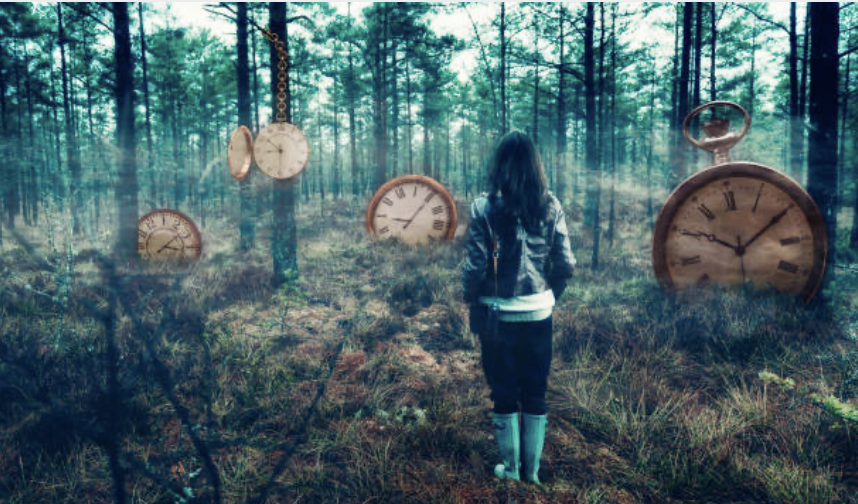
I often have conversations with people who are struggling to write, and I think challenges to creativity are increasing. We live in a world of constant connectivity, but our brains weren’t designed to be constantly switched on. We check emails, check social media, and we’re often accessible for most of our waking hours. It takes a conscious effort to step away and to switch off.
We live in a world of constant connectivity, but our brains weren’t designed to be constantly switched on.
Creativity, and writing in particular, needs room to breathe. Our bodies need movement, often in nature, and our minds need time to wander freely without distractions. Movement can unlock creativity in ways that sitting at a desk can’t match. When you’ve had inspiration for a story or a poem, was it when you were busy, or when you had space to think? Was it while you were sitting still, or on the move?
Movement can unlock creativity in ways that sitting at a desk can’t match.
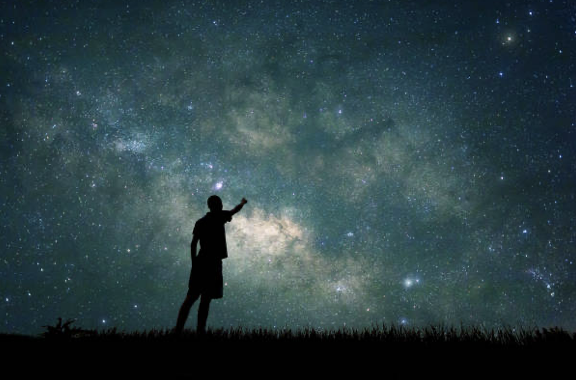
Ideas often come to me on a train journey, a walk, or just as I fall asleep. The most creative ideas often surface when we are not trying to focus on creativity, but when there is space for our minds to wander. If you struggle to write at home, change your scene and find a quiet corner of a cafe. I’ve written with a friend in an office space when no one was working, or online together in silence.
The most creative ideas often surface when we are not trying to focus on creativity, but when there is space for our minds to wander.
Unstructured time is more important than we realise. Allowing ourselves to simply be, rather than constantly doing, is key to creativity. It helps the brain to make new connections and create new ideas. Creating space away from mental busyness involves finding a rhythm that works for you. It will be different for each individual.
Unstructured time is more important than we realise.










 F C MALBY
You must be logged in to post a comment.