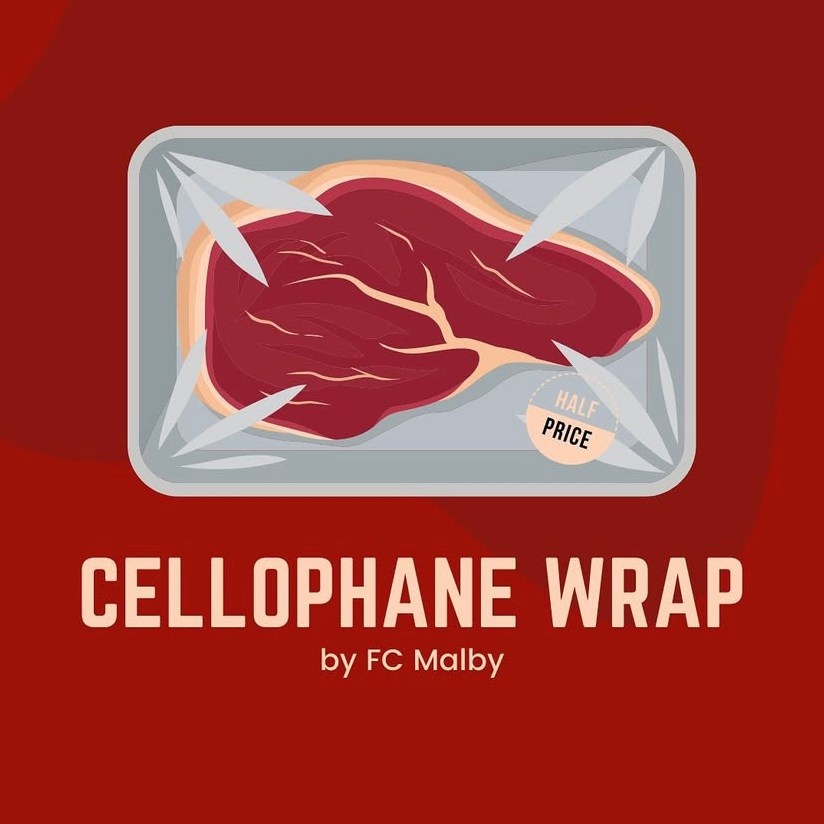
Love stories and poems, but want to listen to them in the voice of the author? Why not try listening on SoundCloud? Some of my stories and poems have been uploaded to SoundCloud for you to listen to.
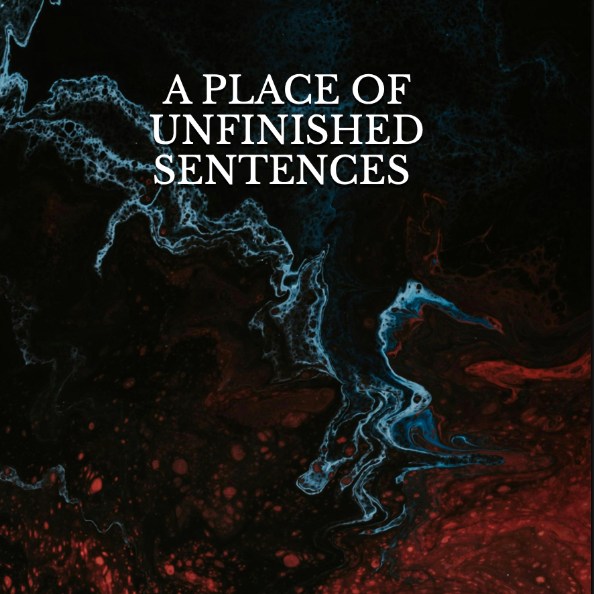
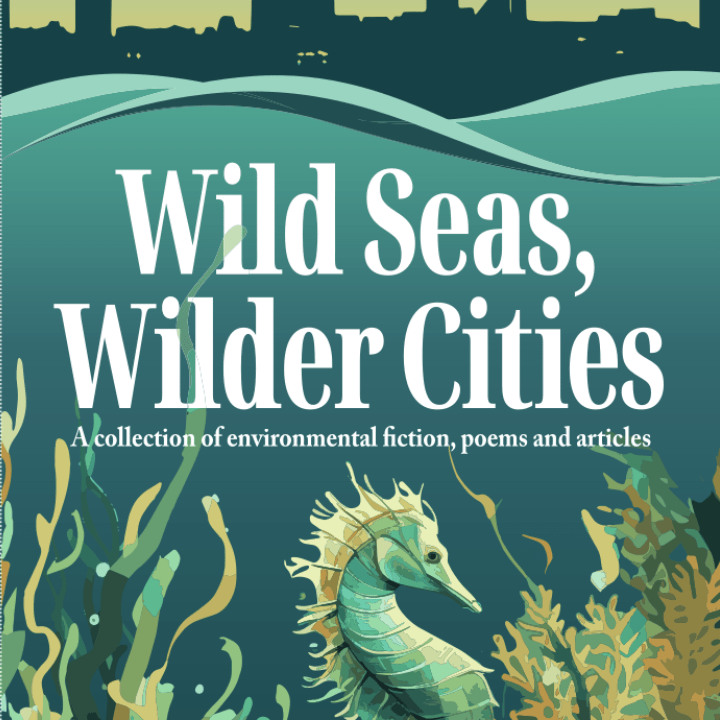
I’ve added some readings of my more recent stories and poems. Some were published in my second collection, A Place of Unfinished Sentences, and others have been published in various literary journals online and in print, as well as a poem published in an anthology, Wild Seas, Wilder Cities with Pens of the Earth and Pigeon Press.
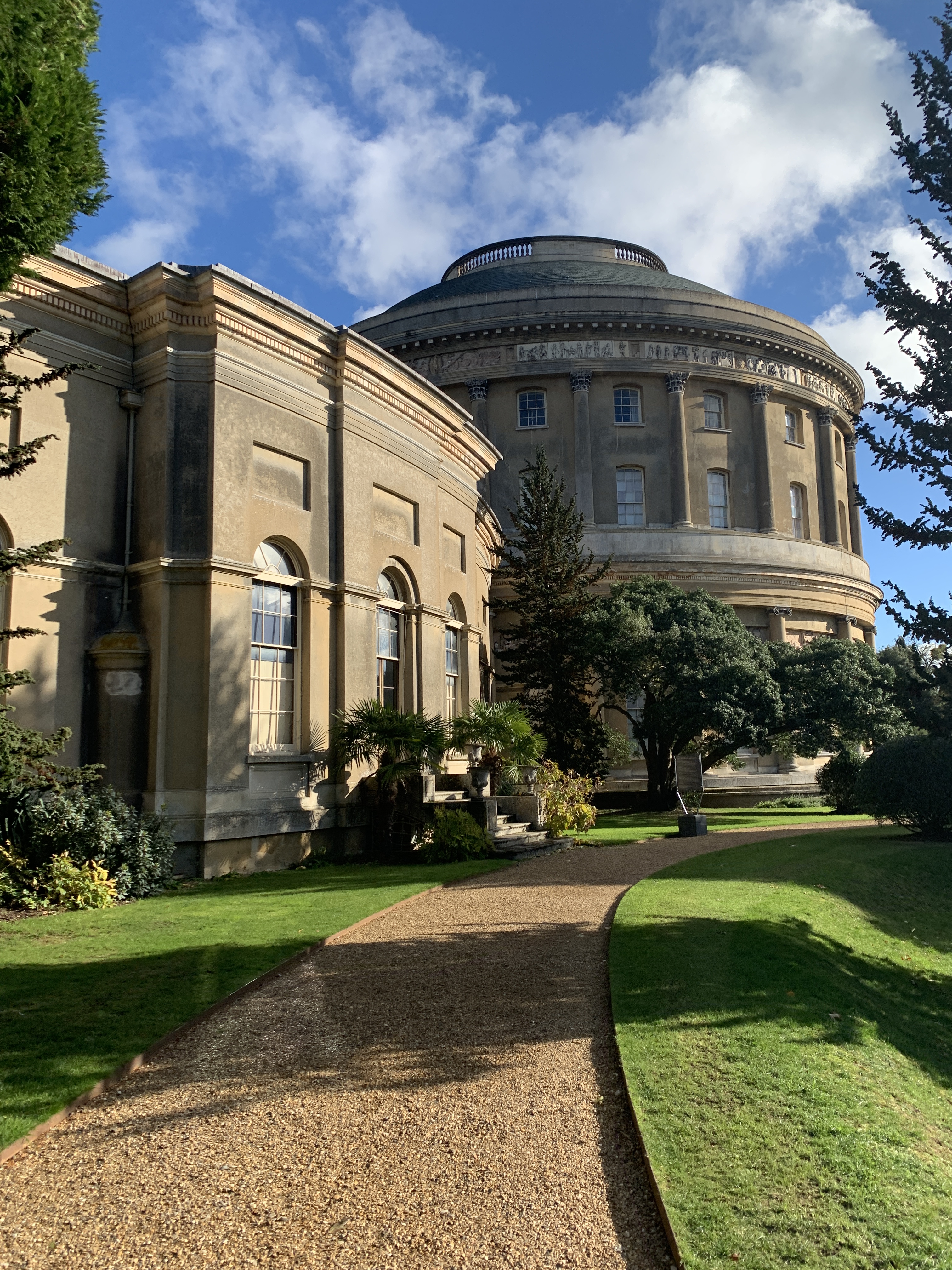
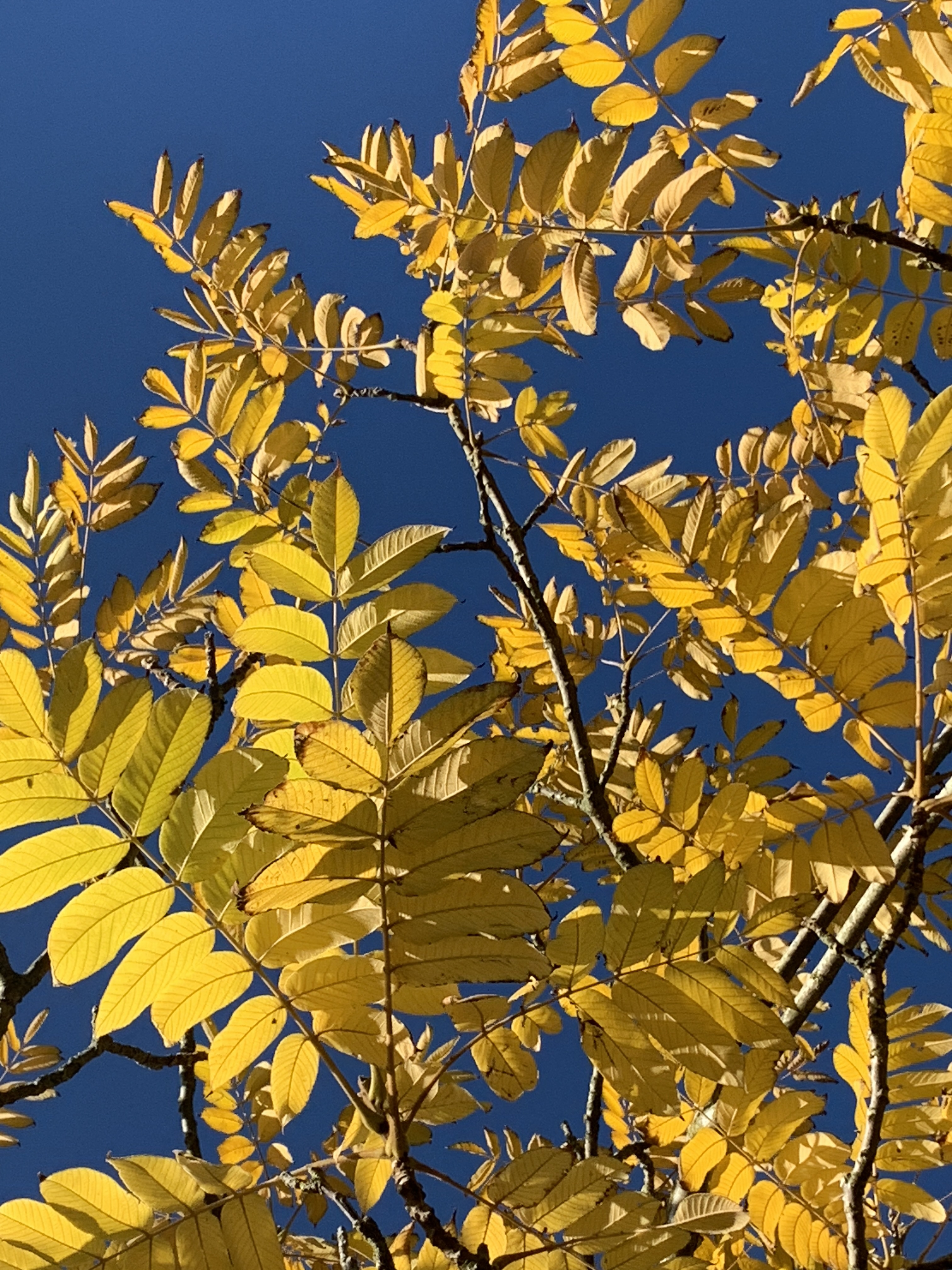
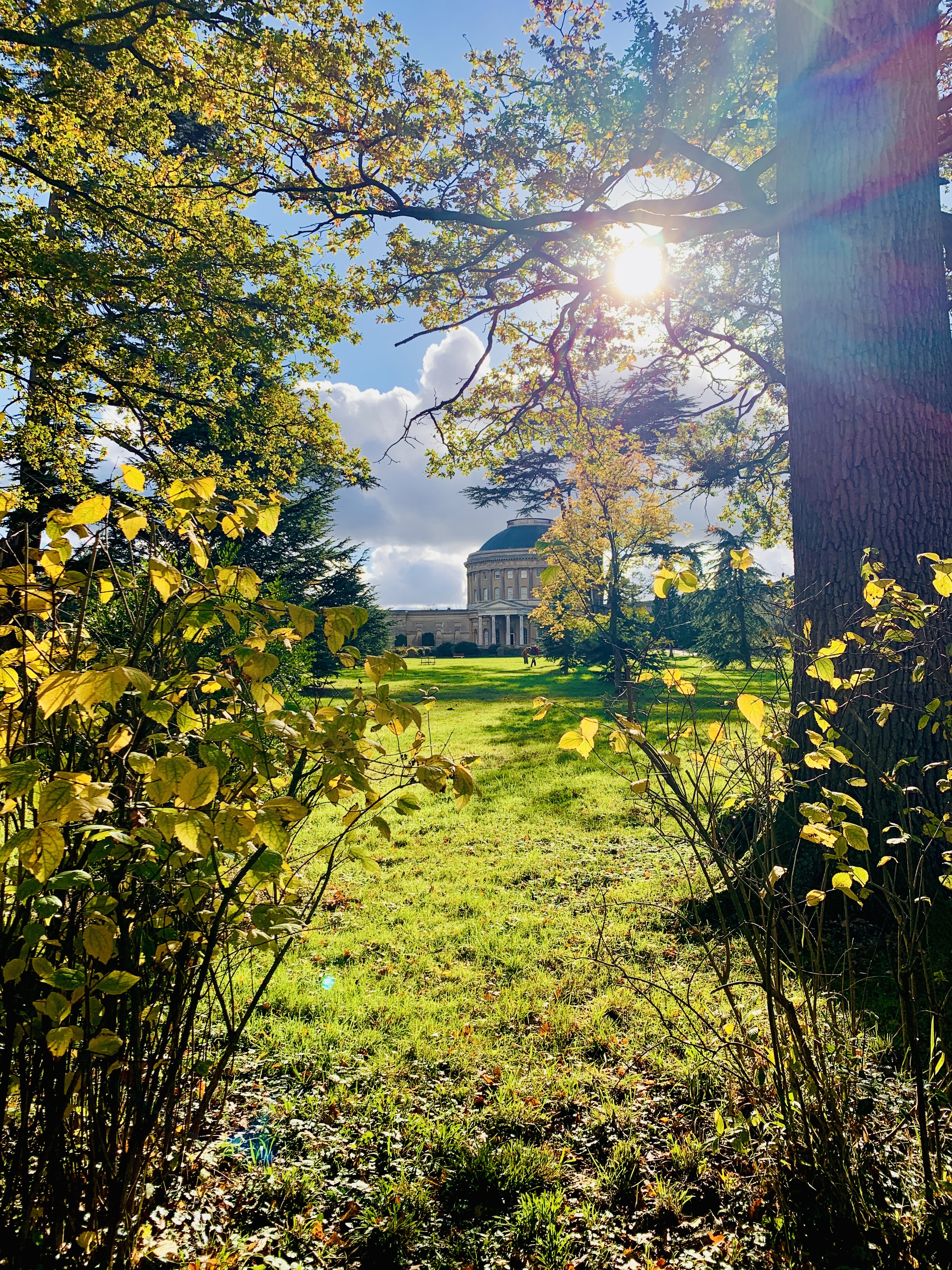
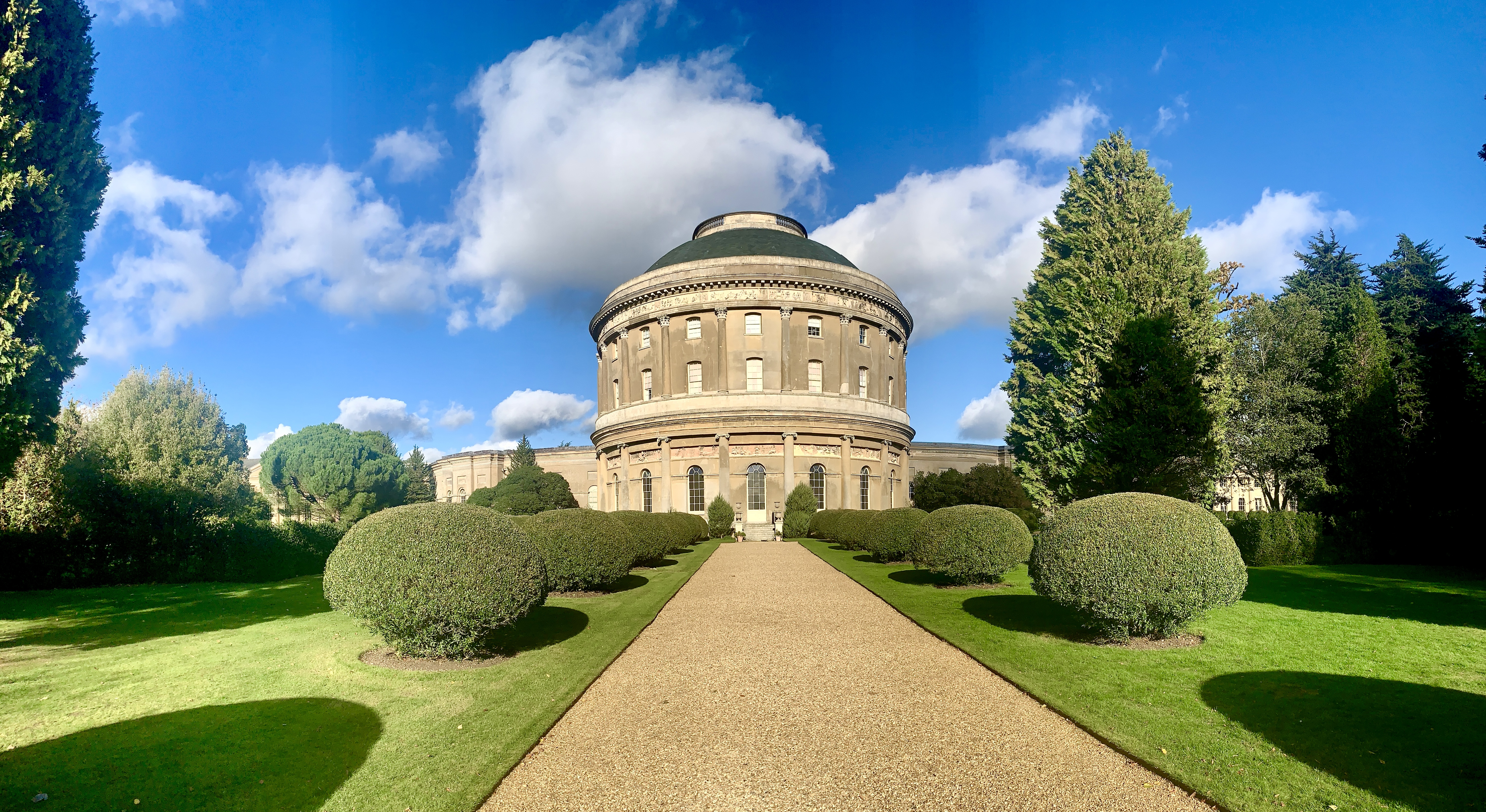
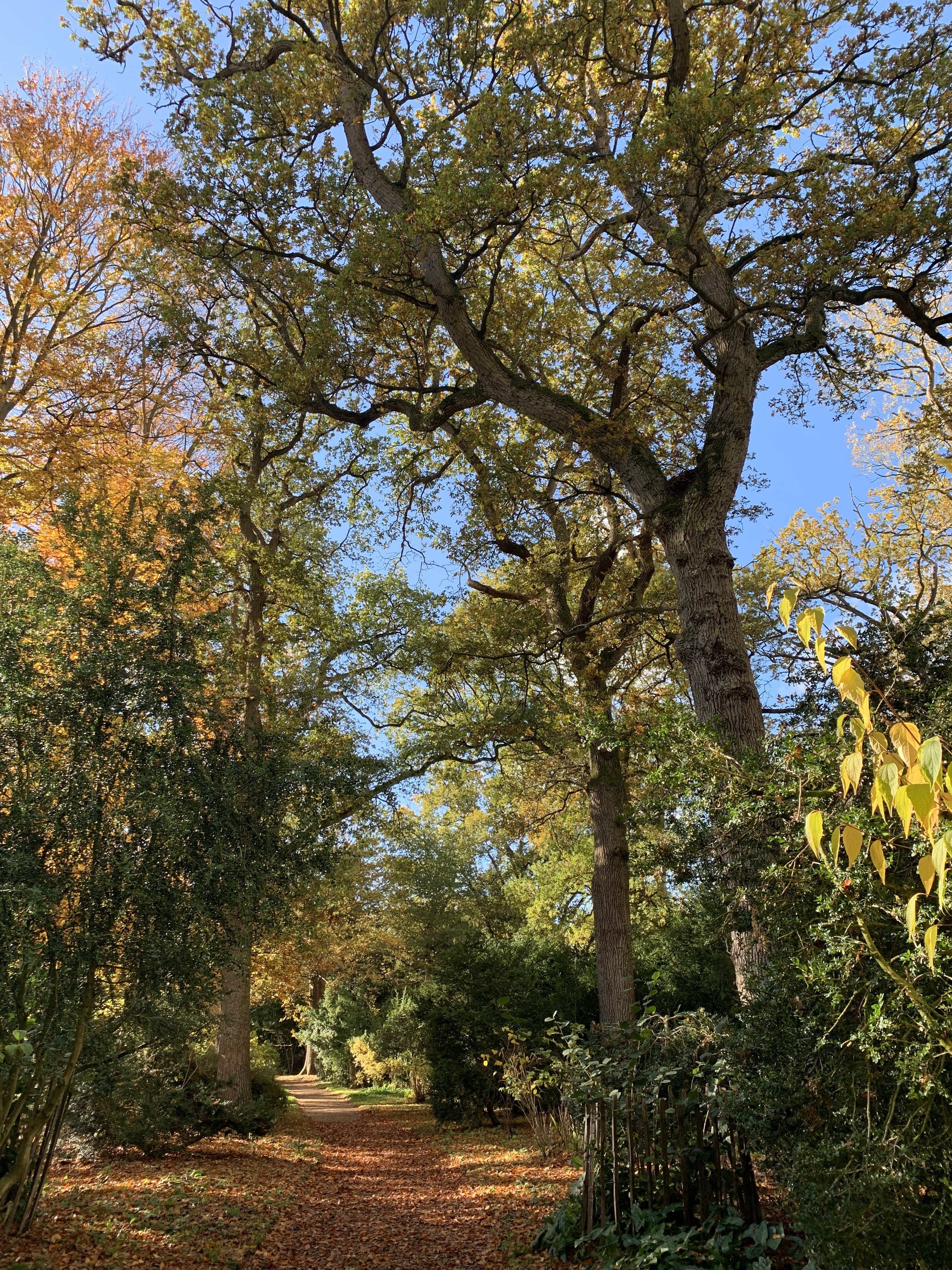
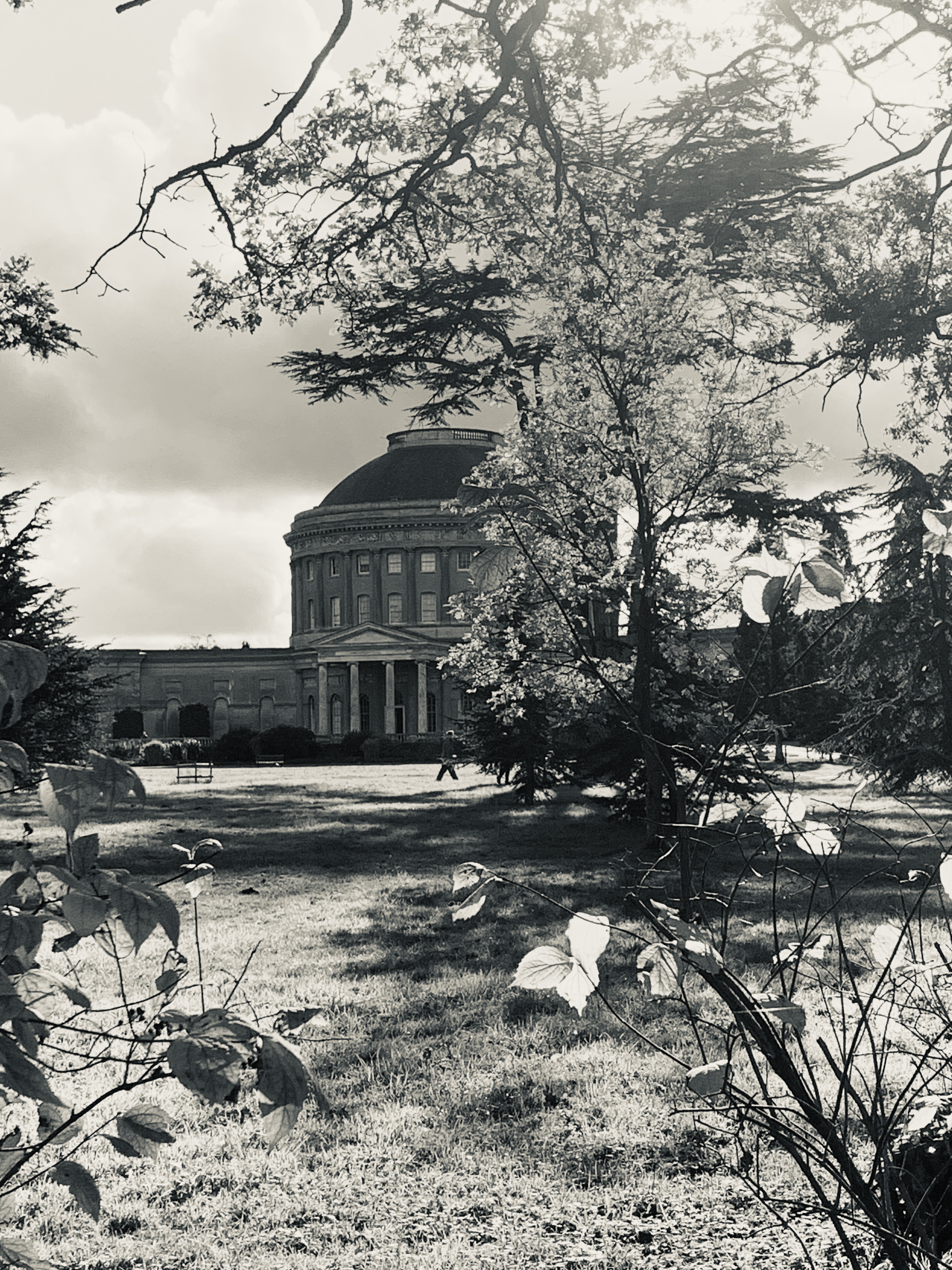
Autumn is a wonderful time to explore the Ickworth Estate, nestled into the Suffolk countryside, and a stone’s throw from Bury St Edmunds. Its history can be traced back to 1086, when the Domesday Book records a small settlement of 16 households, owned by the Abbey of Bury St Edmunds. It was originally managed as a working estate, and from the 1700s, it became home to the Hervey family, who built Ickworth House to display works of art, including paintings by Titian and Gainsborough.
For the past seventy years, the Estate has been managed by the National Trust. The gardens are stunning and beautifully leafy, with trees including Redwood, Oak, Ash, Yew and Fir. In 1910, Lady Theodora Hervey renovated the Rotunda with electric lights, hot water boilers and new bathrooms, to improve the living conditions of the servants.
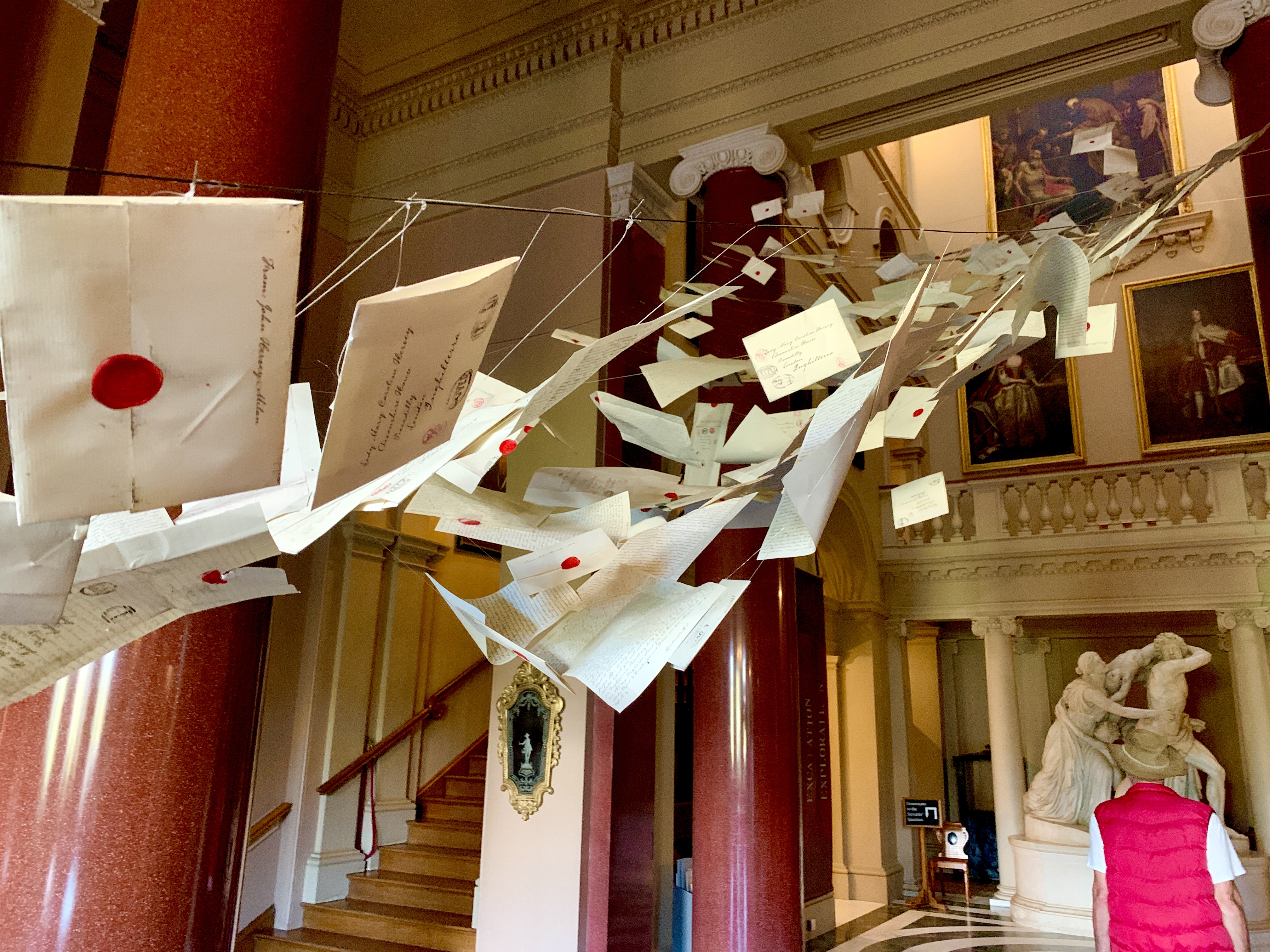
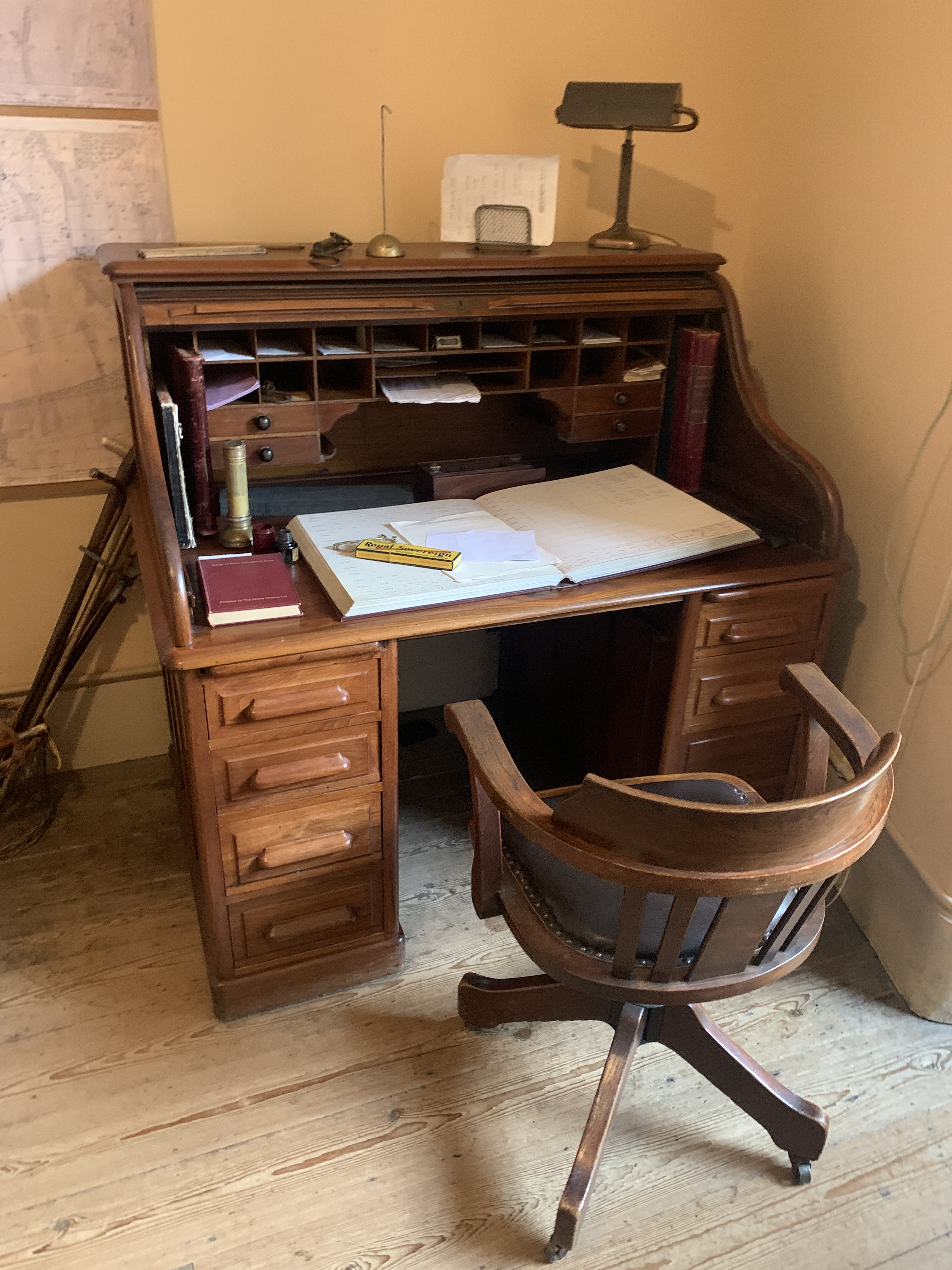
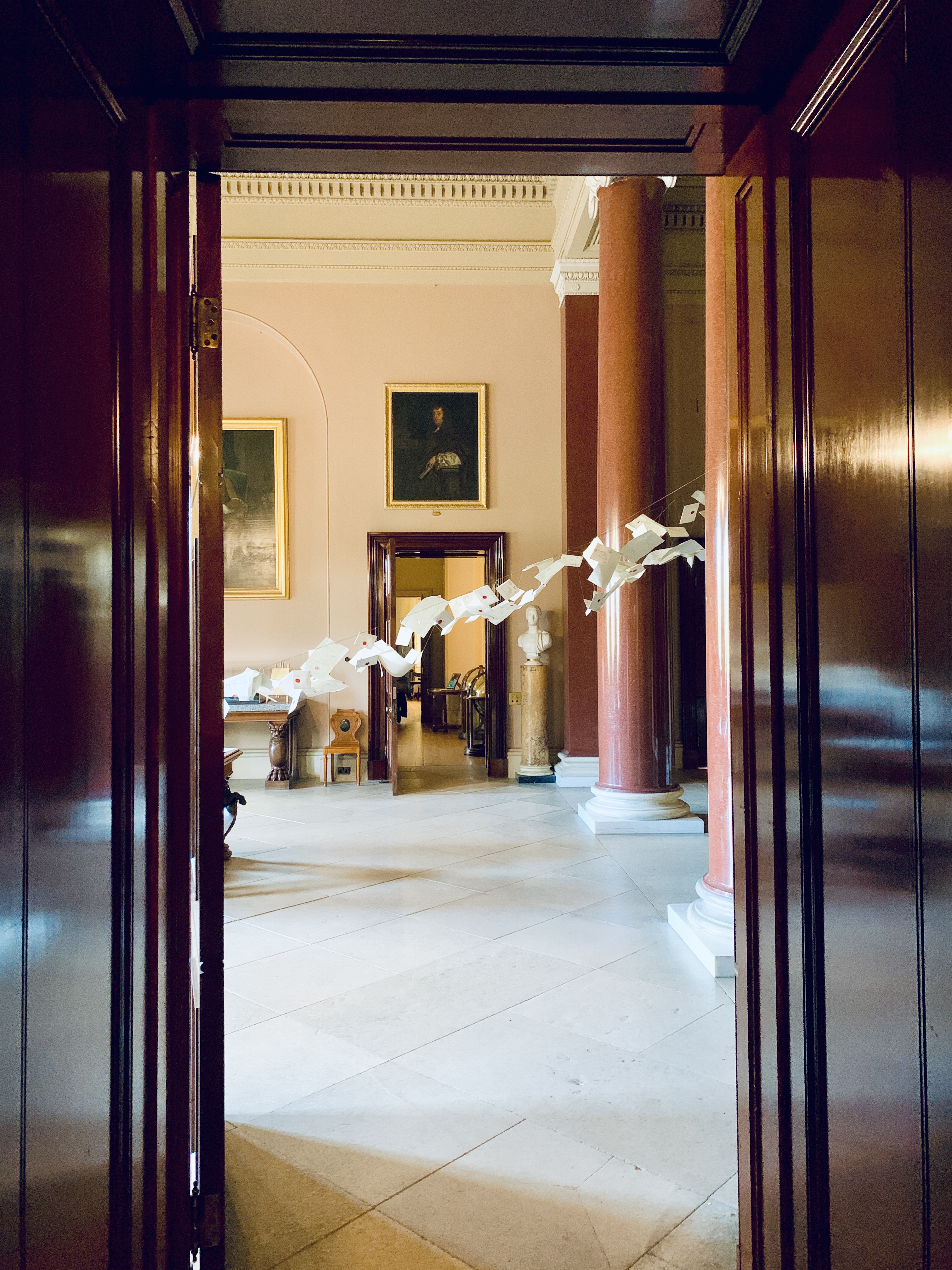
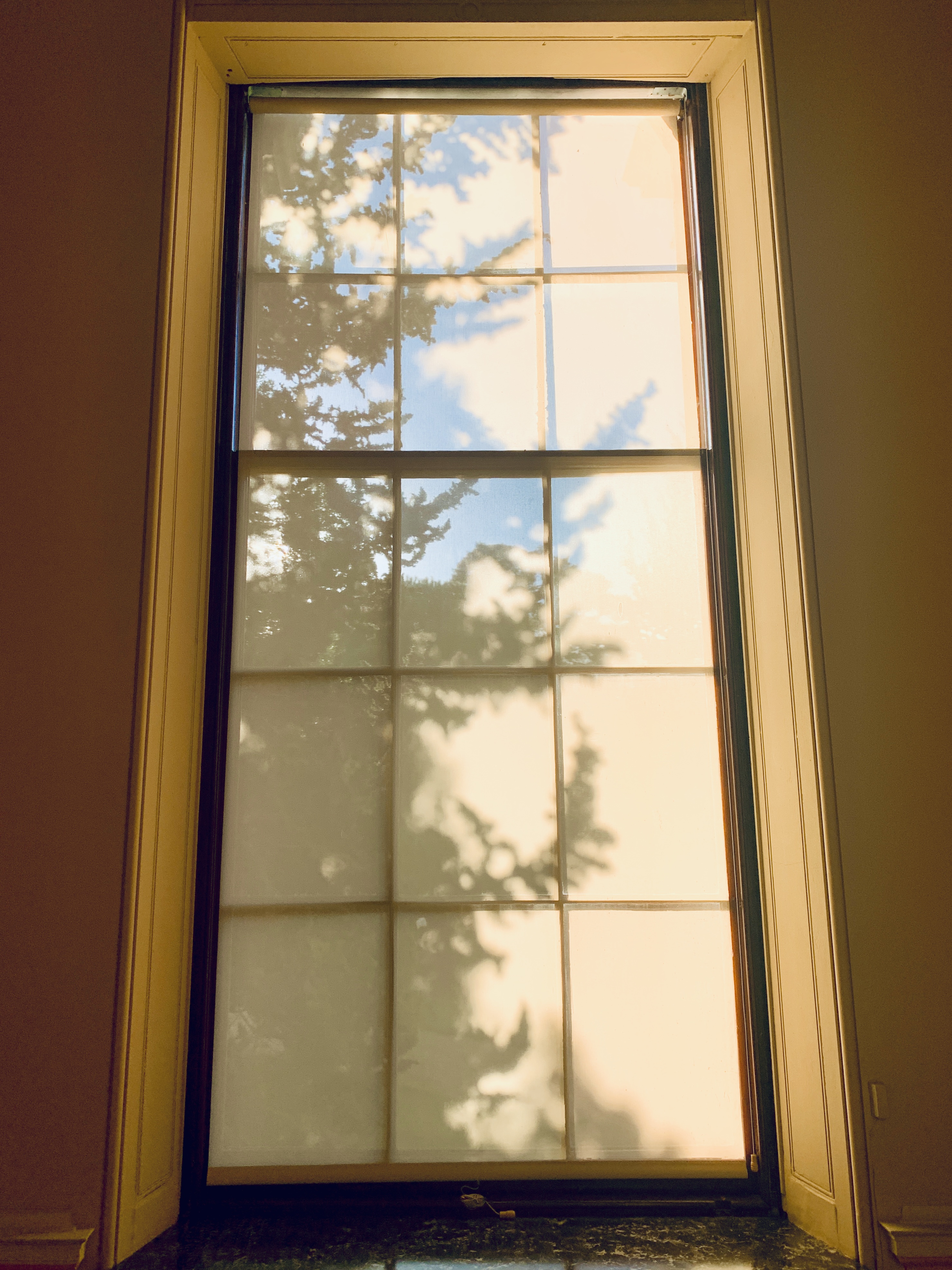
I discovered the wonderful writing bureau in the servant’s quarters. The downstairs quarters are laid out as they would have been in the 1930s. The hall is full of games – card games, bagatelle and tiddlywinks, as well as a piano and a spread of papers. The entrance upstairs includes a temporary aerial display of letters which the family wrote as correspondence to each other whilst on their travels.
I often get asked by new and aspiring writers how to begin and where to find ideas. The first thing I want to say is that no two writers are the same, nor do they work the in same way. The next, and probably the most important thing I would say, is that consistency is key. The more regularly you write, and the more often, the better you will become.
“No two writers are the same…consistency is key.”
Nothing is wasted. Even if there are days where you write paragraphs that won’t be read or printed, you will still learn from the process. It’s like muscle memory, but for the brain. Creating new narratives engages your brain in new ways and it also helps to form fresh neural pathways and connections, sharpening your mind.
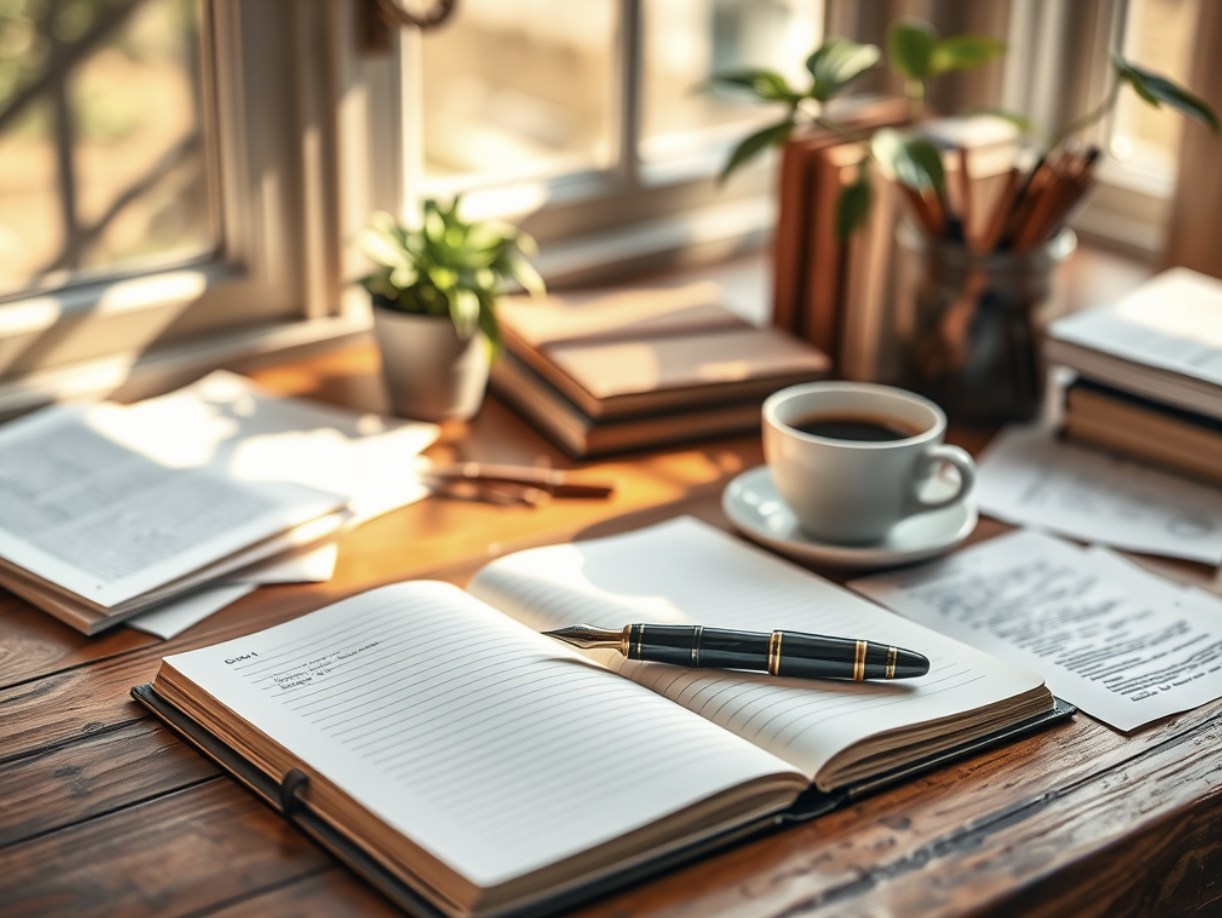
Writing also physically changes the brain, improving memory and critical thinking. It activates multiple ares of the brain and increases levels of self-awareness, as well as enhancing well-being. Handwriting has more benefits than typing, but I do both. I find it helpful to journal ideas, but I type up my work when I get going.
“I find it helpful to journal ideas, but I type up my work when I get going.”
Start small and build up. Try writing 100 words over a coffee before you begin the day. Some writers get up early and write for an hour, but it’s different for everyone. Check out the 5am Writer’s Club and the Twitter hashtag #5amWritersClub
Build up slowly and keep it consistent. Aim for once a day or set aside a few days a week where you have a slot to write without distractions. Switch everything off, especially your phone. Go for a walk first if you can, or if you need a break between writing stints. The motion of walking can clear any mental clutter in your mind, helping you to focus on new ideas. The increased blood flow to the brain also boosts creativity and cognitive function.
“The actual motion of walking can clear any mental clutter in your mind, helping you to focus on new ideas.”
Use images to help with inspiration. I’ve written a blog post on creating Pinterest boards for writing inspiration, but you can use a photograph, a postcard or read some poetry or short stories to get you started. Sometimes, you just need an idea, a scene, or a snippet of conversation, or a line of poetry to begin.
I’d love to know how you get on. Leave a message in the comments, and feel free to ask any questions.
Bastille Day has come and with it, the explosion of writing and art that is the latest Cable Street Issue. I’ll be frank with you—every issue blows my mind. I see all the pieces one by one and they are surprising, delightful, shocking, thought provoking. But then they all come together, and each and every time, I’m moved by the web of art in conversation that is created...And these are only some of the many treasures of this issue. Storm into this tower at your own speed, making sure to check out the poetry of F.C. Malby and Roberta Schultz…There is plenty to enjoy on this Bastille Day weekend.
— Hardy Griffin for the editors
Poems by F C Malby
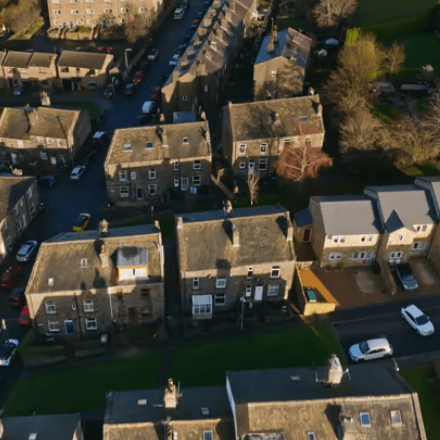
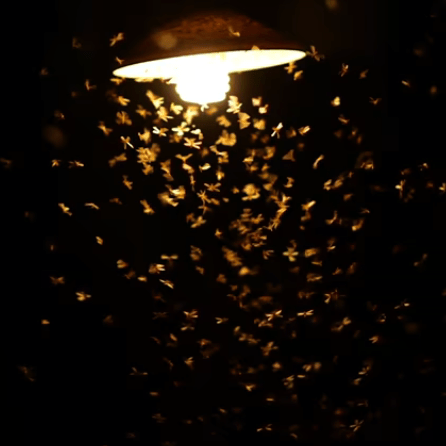
My poems, Crossing, I Have Already Gone, Moths, and Where Have All the Birds Gone feature a range of themes, including the contentious issue of immigration. Through Crossing, I wanted to give a voice to the voiceless; this is a particularly exigent issue.
Crossing
I line up with other bedraggled bodies, some look as though they might be dying,
others carry the weight of grief. I watched a child slip away while we waited yesterday,
saw the life leave its lungs, the mother clung to its body, tears wet the child’s face. It’s not
pretty, it’s worse than they tell you. I don’t know whether we will make it or whether
we might be taken back. I don’t speak the language, few of us do. It matters.
The look on the guard’s faces is difficult to read, tells me they’ve seen so much
of this. None of us know what to do or what’s next. Clothes dry on a makeshift
line between tents, next to plastic bags of what we have left after the police take
anything else. Some of us camp under bridges, avoiding the boulders that stop
us settling on softer ground. We wait for the next boat, for a better life. The
mother is still holding the child. We wait. Some of us won’t make it.
I’m thrilled to have an acceptance of four poems to be published in International Literary Journal, Cable Street, in July. They only publish work three times a year, so I’m happy that my poems have found their way into this wonderful journal. I don’t know about you, but I love a backstory, so I thought I’d share a little about the publishers ahead of the publication.
CABLE STREET
“We are, first and foremost, an international, online journal fostering exchange among writers and readers of many languages. We post new issues three times a year: on or about May 1, Bastille Day, and Thanksgiving.
Our name reflects the essence of our journal: a festival of communication across nations and traditions, a chance to wander the byways of art from many hands and many lands.
Cable Street is a road in London’s East End. It takes its name from the ships’ cables once made there—cables that traveled the world on British fleets. A place enlivened, then and now, by the dozens of languages spoken by sailors, traders, and immigrants. A place where, in 1936, a coalition of antifascists took a stand against the British Union of Fascists, turning back the tide of repression and ethnocentric dominion.
Like our namesake thoroughfare, Cable Street embraces the human family in its multitude of cultures.“
Photo credit: Cable Street Journal, Cable Street, London
You must be logged in to post a comment.