What I’ve Learned about Social Media & Blogging on Writing for 12 Years with Over 75,000 views

Photo: W.H. Auden’s Summerhouse in Kirchstetten, Austria. F. C. Malby.

75,000 views in 12 years – 6,000 views a year – an average of 500 views a month.

That’s far more than I ever expected, especially as there have been years when I haven’t been able to post as often. But, I consistently show up and that’s the bottom line. So, what have I learned?

1. Social media isn’t dead, and neither are blogs

Despite the rumours swirling around about various different social media platforms dying off, I believe they are here to stay. Even though they morph and change – as some do lose popularity, others will inevitably pop up in their place. Your blog can feed into different social media platforms, but it is also a platform in its own right, and it’s a good one. I wrote a post asking Is Blogging Worth the Time and Effort? I still believe that it is.

2. People will continue to follow you if they feel invested in what you are writing

It’s much to my surprise that people who followed me 12 years ago (is it really that long?) remain engaged with what I post today. So, make it interesting and varied. I love hearing your thoughts and comments, and I’m still connected with many authors who I interviewed when I began blogging. Author interviews are popular. You can read my interviews with authors Matt Haig and S J Watson on their writing process and background, as well as some of the challenges they have faced.

3. Surprisingly, I get most of my traffic from Pinterest

Yes, I expected Pinterest to die off, but it remains ever popular, particularly in sharing content about books and bookshops. I wrote a post on How To Use Pinterest To Improve Your Writing, which talks about how useful it can be to pin ideas to boards for inspiration and to share content. Have a look at my boards, which include a TBR Pile, Book Reviews and Author Interviews, as well as information on writing and more. It still gets 2,000 monthly views.

4. Readers like variety, whether it’s author interviews, book news and reviews, tips on writing or pictures of beautiful libraries

Variety, as they say, is the spice…(you know the rest). I try to vary my blog posts. No one wants the same content every time. Mine, as an author, is on books and fiction writing. Staying within your niche is important, but variety keeps things more interesting, so I mix it up. The second most popular category, after writing tips, is libraries around the world, with Space to Read and Relax: Bookshop Cafés and Bars Around the World… and 30 Amazing Libraries and Bookshelves. So, what can I learn about my readers? They’re writers, aspiring writers, readers and book lovers.

5. Keep it visual. Images capture what you are writing about and grabs people’s attention

See number 3. The visual nature of Pinterest draws people in and so do the visuals on blog posts. One of my recent blog post photos of my TBR book pile ended up in the Durham University Student Newspaper! We’re visual creatures, so creative visuals, as well as written content is important.

6. Blogging draws people to your website

75,000 have come to my site as a result of my blog posts. That’s on top of usual website traffic. This means I get to engage with so many more people, and it’s led to author interviews and book recommendations. It’s a network. I write a lot about short stories, as an author of short stories and flash fiction. This guest post from Cary Bray on The Magic of Short Stories is a popular read.

7. People will read and re-read your writing over the years as you build up your content

Once your content is up, it’s there to stay for as long as your site exists, which gives it longevity. My most read post about the Narrative Arc has been viewed 16,000 times and is on my top 5 list of most read posts, alongside Kurt Vonnegut and the Myth of Talent, Writing Prompts, What we can learn from Beauty and the Beast About Plot, Tension and Obstacles and Hemmingway’s Tip Of The Iceberg: Omit What the Reader Knows.

8. Blogging is a creative outlet other than writing stories, books or poetry

It’s a way of sharing ideas that don’t go into books and journals. For example, this infographic on Quentin Blake’s Rights of the Reader Illustrations, which I shared on World Book Day is too good not to share.

9. It connects you with others

Like this reader response to the above Quentin Blake post:
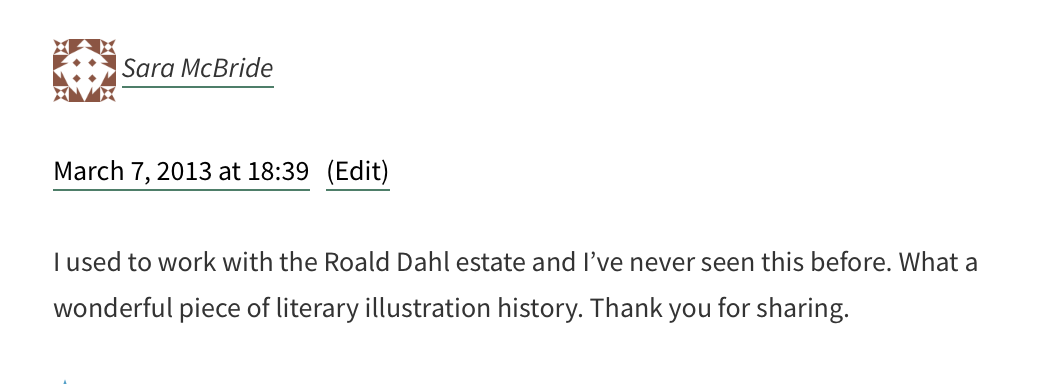
What a lovely connection!

10. I really enjoy it!

I love writing, and I really like to be collaborative and share information and what I know, especially if it helps others. Whether that might be finding a new book to fall in love with, or discovering a new author, or helping people find beautiful libraries, or giving writing tips. Sharing things that you find, and your ideas, has a ripple effect and sparks creativity in others. I also find new readers for my own work, but this is not the primary reason for writing blog posts. For me, it’s secondary to everything else that I do.
Sharing things that you find, and your ideas, has a ripple effect and sparks creativity in others.

Everybody’s Reviewing – Feature

Thank you to Everybody’s Reviewing, Creative Writing, Leicester, for this feature of my second collection of short stories, A Place of Unfinished Sentences.

Monday 9 September 2024

F. C. Malby, “A Place of Unfinished Sentences”

F. C. Malby writes novels, short stories, and poetry. She has travelled widely, teaching English in the Czech Republic, the Philippines and London. She is a qualified teacher and a photographer, and is currently studying for a Masters in Theology. Her debut novel, Take Me to the Castle, set in early 1990s Czech Republic, won The People’s Book Awards. Her second novel, Dead Drop, set in Vienna, is a lyrical, daring thriller about the undercover world of art crime. Her debut short story collection, My Brother Was a Kangaroo, includes award-winning stories published in literary magazines and journals worldwide. Malby’s poetry has appeared in journals, magazines and podcasts, and her second collection of short stories, A Place of Unfinished Sentences, includes stories that have been published in anthologies with Reflex Press and Pens of the Earth, and placed in competitions. She is a contributor to four print anthologies (the forth is forthcoming with Pens of the Earth in Oct 2024). She is also a contributor to anthologies published by Reflex Press, Unthank Book and Litro. Her short fiction won the Litro Magazine Environmental Disaster Fiction Competition, and was nominated for Publication of the Year in the Spillwords Press Awards. Her stories have been widely published both online and in print. Her website is here

About A Place of Unfinished Sentences, by F. C. Malby

This second collection concerns the sentences we leave unfinished, questions surrounding sudden loss, a decision on a train. It covers themes of relationships and memory, exploring what happens when memory fails. It looks at beginnings and endings, weaving through themes of generations, family, uncertainty, and what happens when experiences change us.

From A Place of Unfinished Sentences

The woman sitting opposite me looks like the guy I used to date. Her face is angular, her eyes fixed to the page of a book I cannot see. I wonder why she reminds me of him. The door clunks back into the frame of the train’s carriage. A thud as it stops makes me jump, and a man with a trolley walks through and scans the seats.

“Tea? Coffee?” he asks, glancing at the ex-boyfriend lookalike.

“Neither,” she says, her eyes remaining fixed on the pages in her hands. 

He looks at me. “Coffee, black, no sugar,” I say, without waiting to be asked. He lowers his shoulders, exhaling slowly as he pours me a cup from a large metal coffee pot. Steam rises from the spout, the scent of it licking at my nostrils. Saliva fills my mouth in anticipation.  

“Snacks,” he says, almost as a statement. I can hear my Grandmother telling me that it’s rude not to form full sentences. Nobody is in a full sentence mood this morning. The trains have been delayed by three hours because of a ‘body on the line’ and the weather is damp and oppressive. Normally, the announcement is ‘leaves on the line.’ This morning it’s a body. An elderly lady told me it was a young man. Such a waste of a life, she had said with a tone of disgust, eyebrows raised, as though taking your own life was comparable to a child throwing away a gift they no longer wanted. I had started to explain that you don’t know what’s going on in someone else’s life, but she walked away mid-sentence. 

London was a place of rush, a place of interchange, a place of unfinished sentences. The young boy’s life might have been an unfinished sentence: a friend in a rush, too busy to hear that he had felt low for months; an interchange of parents going to and from work, passing like ships in the night; a sentence about feeling hopeless, left unfinished. 

Read the full feature at Creative Writing, Leicester.

How Do You Organise Your Bookshelves?

FC Malby

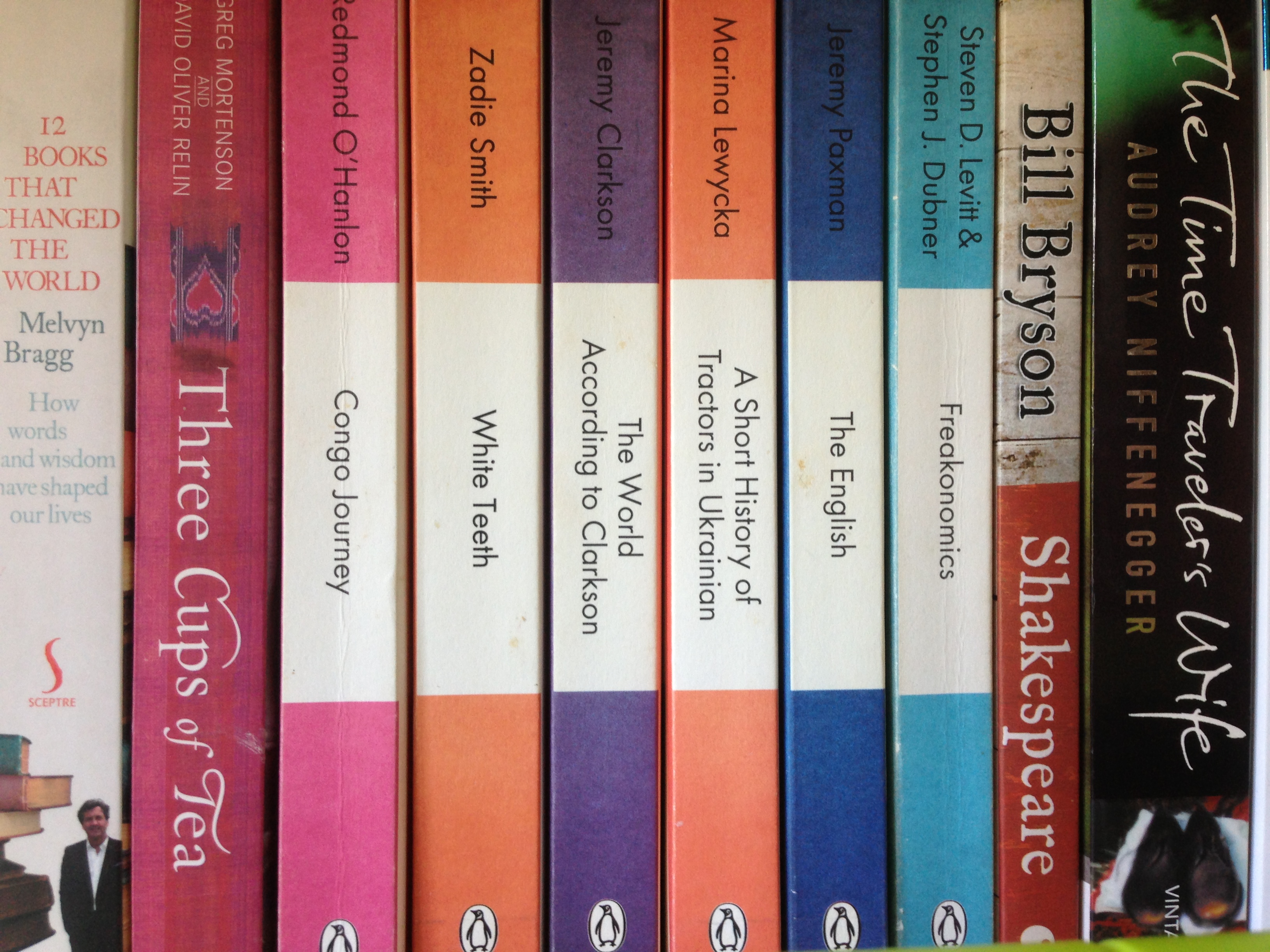
A friend told me yesterday that their books are all arranged in alphabetical order. I smiled and said that mine are roughly arranged by type. I have a section for psychology, travel, theology, biographies and autobiographies (which are mostly political, but I also have one on Miles Davis), crime thrillers, short stories, poetry, literary fiction, commercial fiction, favourite books (mostly by J.M Coetzee, Julian Barnes, Hilary Mantel, Alice Munro, Colm Tóibín, Milan Kundera, Deborah Levy and Alison Moore).

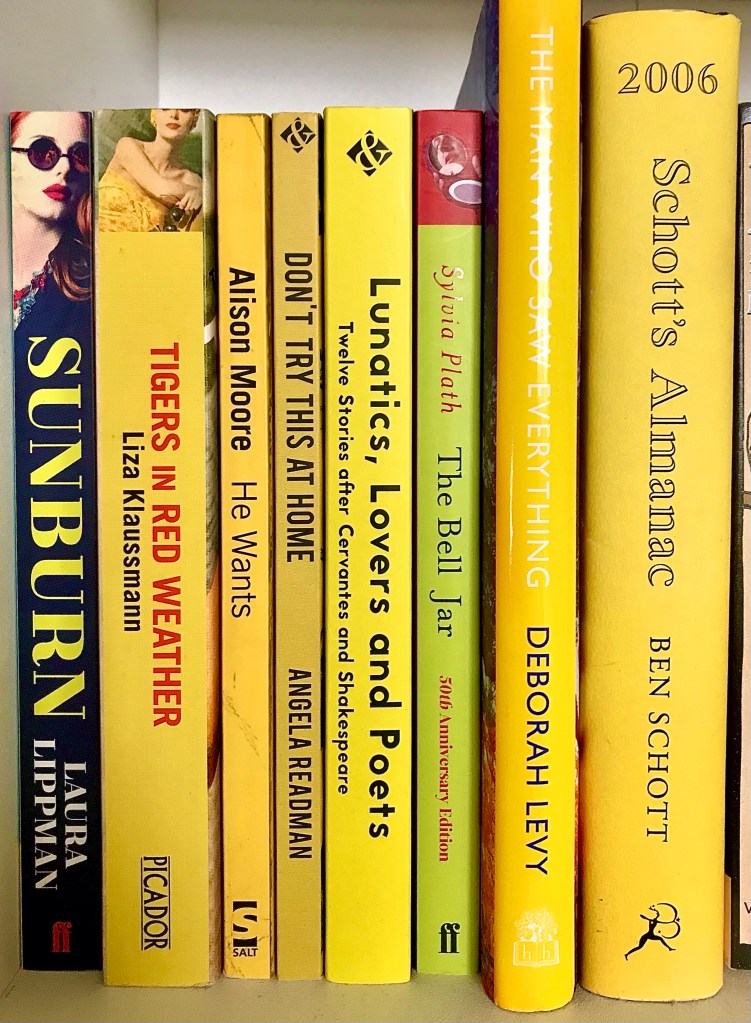
This morning, I noticed that I have a selection of books with yellow covers, although I’m not entirely sure how the lime green snuck in! It’s the only colour I seem to have grouped together, purely because I love yellow. I don’t think I will ever match my books by colour, having seen a few well-known figures (who shall remain nameless) adding the results of this to Instagram. It feels a little too OCD for my liking, by we are all beautifully different.

The Home Edit

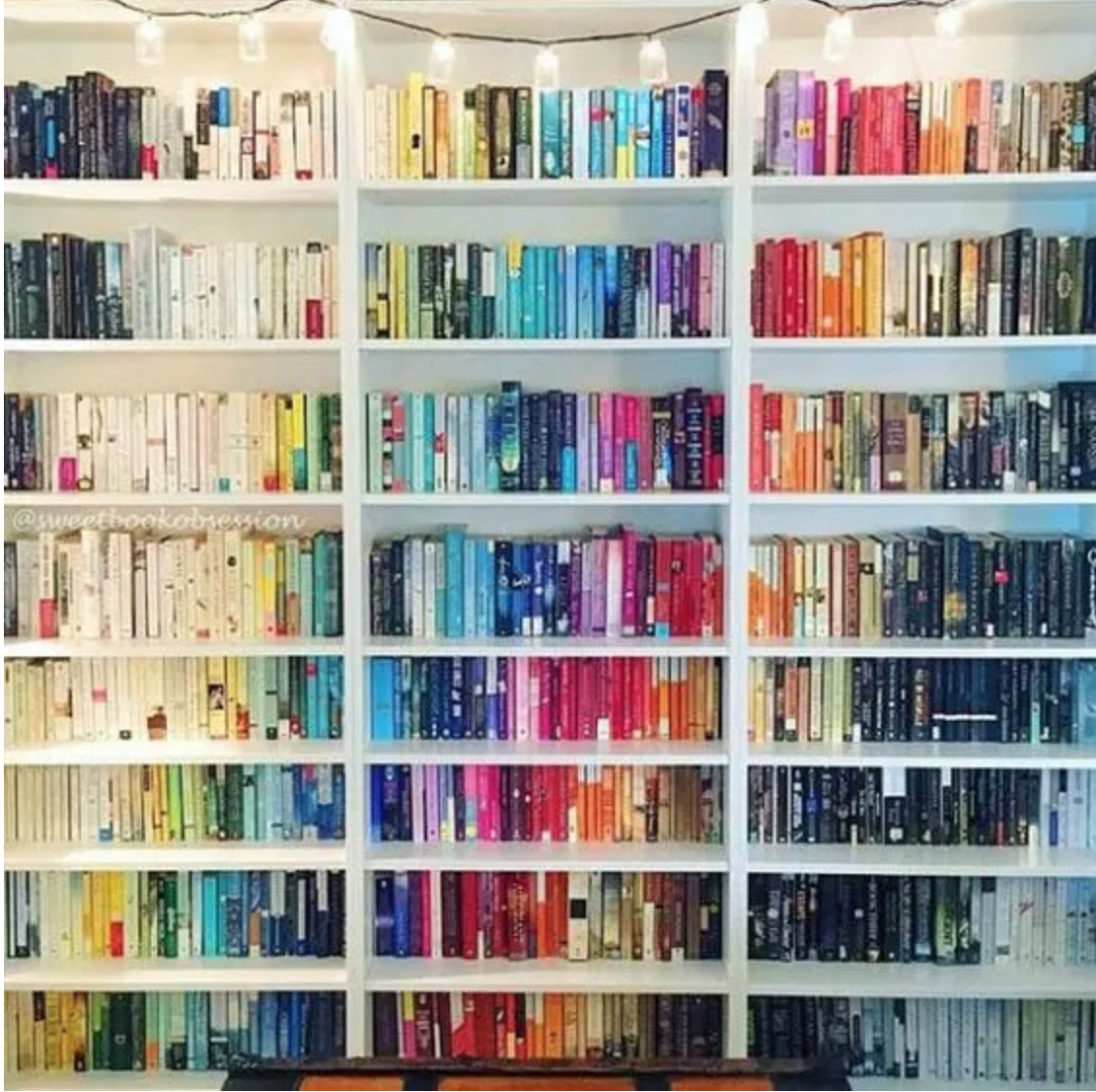
How about this cascading cover colour bookshelves look from Book Bub?

Book Bub

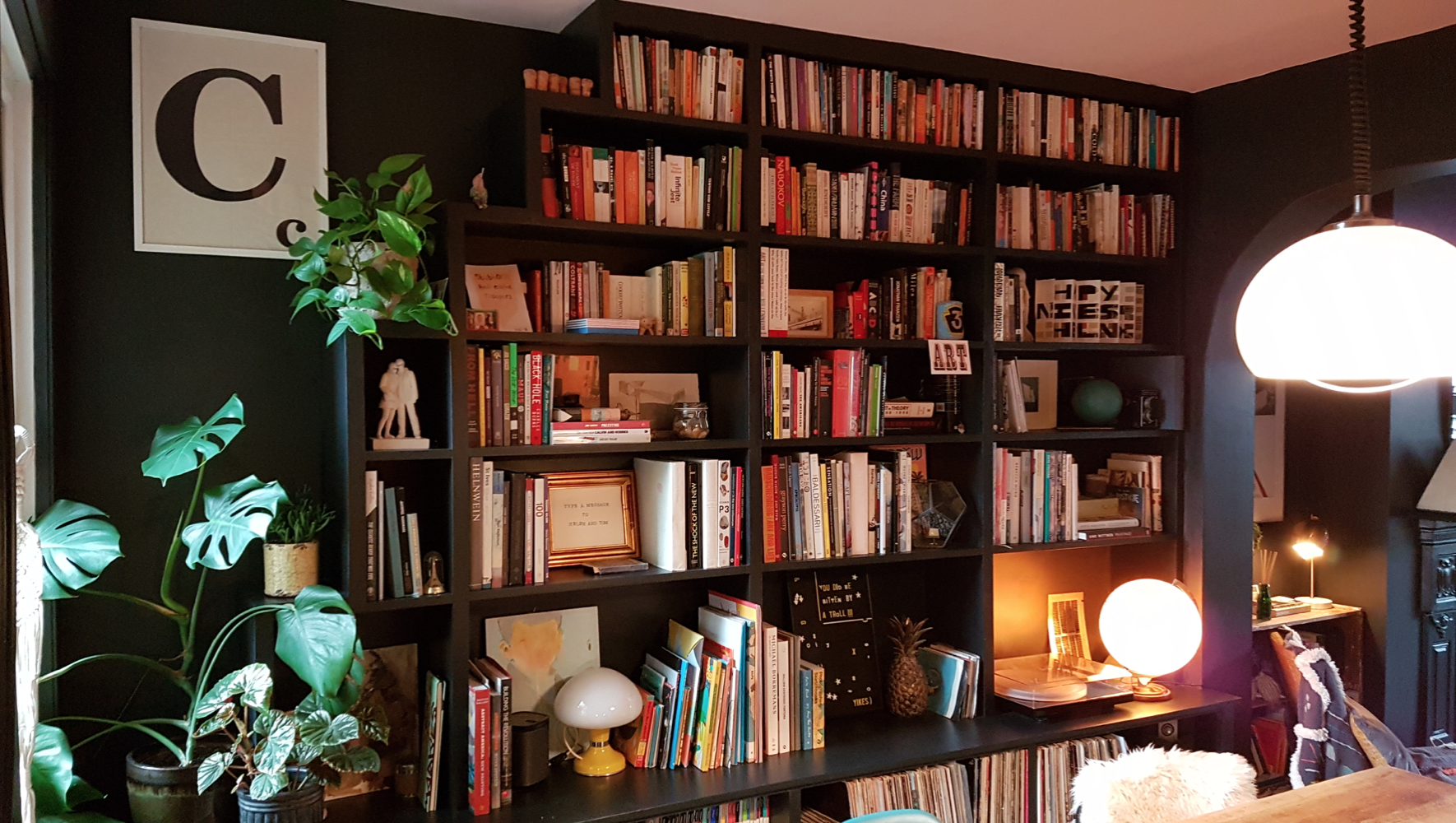
As a writer and a reader, I love books, bookshelves and other people’s bookshelves. If I go to a home and there is a large book collection on the shelves, I like to scan the collection and see what the owner reads. Sometimes I find we like similar authors and there are other occasions where I find something new. Amidst the Covid pandemic over the past 15 months or so, and with life as we knew it transferred to Zoom and Teams meetings, a background of bookshelves never fails to capture my attention. Personally, I like a more mixed approach to bookshelves.

Indie Wire

Douglas Hill

Michael Sinclair

Bespoke Carpentry

How do you arrange your bookshelves? Do you have any favourite bookshelves? Drop a link to a snap in the comments, or tell us how you organise your shelves, and share the book love.

Why Bother With Social Media?

images (19)

Social Media: A phrase that strikes up a series of emotions in each one of us. Some people enjoy using social media sites, thriving on the information they can gather and the contact with others, while others avoid it through fear or a lack of time or motivation. Many people have a love/hate relationship with it. Why does it cause so much consternation, when the aim has always been to connect and to share information? Each site takes time to navigate and to get used to, much like a new relationship or friendship in some ways! At first you post and respond to others, gradually gaining the confidence and understanding of how it all works. Each site has a different character and set of expectations. You step up your communication, post, wait, wonder. Sound familiar?

The earliest forms of social media were not electronic, but took the form of cave paintings. These were the earliest known signs of humans trying to communicate, to leave their mark. Now, we leave our mark, our knowledge and some of our personality, on sites like Twitter, Facebook, Google+, Pinterest, LinkedIn, WordPress, Tumblr or other blogging sites. We strike up connections with others and share information, often collaborating in a way that would have been difficult before the age of social media.

So, why take the time to engage with social media?

1. You meet an amazing range of people, both within and outside your field of expertise.

I have met some fantastic readers, writers, bloggers, editors, agents, marketing experts. Meeting people within the fields of writing and publishing have helped me to learn about the industry. Other authors have been a great encouragement to me along the way (which is something we all need). Readers have contacted me through my website and found me on other social media platforms. If they enjoy your work and like who you are as a person, chances are they will want to engage and follow what you are up to. I have also gained a great deal from others outside this group. I follow journalists and people who are interested in some of the things I enjoy outside writing: music, art, travel and skiing.

2. Sharing resources

The online community are a generous bunch! I find that people share information on writing competitions, tips on writing and publishing (both self-publishing and traditional publishing). It’s also a great way to find out about writing courses or retreats. I first heard about the Arvon Foundation through Twitter. They offer residential writing courses with a range of authors who teach specific courses throughout the year. Interviewing other authors on your blog and hosting posts is a good way of networking and sharing new work with your readers. You can also approach other bloggers and offer to write posts on their blogs (see my post on Optimising Facebook on 30 Day Books).

3. Finding books

Many people share books they have read and enjoyed. There are a few editors whose tastes are similar to mine and I almost always enjoy the books they suggest. Book bloggers are a great resource, reviewing books and giving honest opinions on popular or recent books, and often on classics I might have missed. I also review books as well as hosting interviews and posting about writing. Literary salons and author events in bookshops are also advertised on social media sites. Don’t miss these if there is one near you.

4. It keeps you up to date with what is going on in the publishing industry.

Within the publishing industry I have learned a great deal from people like Jane Friedman (former publisher of Writer’s Digest, who writes about the future of the publishing and media industry), Porter Anderson (journalist and publishing consultant) and The Future Book, a blog founded by Sam Missingham (formerly working for The Bookseller Group). If you are interested in a traditional publishing deal, social media sites are a good way to find agents who might be a good fit for your work. Follow the #askagent hashtag on Twitter for agent tips and #MSWL for individual manuscript wish lists. If you are self-publishing, there is a plethora of blogs and sites with all the information you will need.

5. It helps to develop your writing skills on many levels.

Blogging is a good extension of your writing. I wrote a post on blogging with a list of resources. It helps you to learn how to engage readers and to put forward your ideas in an interesting way. This is particularly useful for non-fiction writers who might need evidence of a platform before approaching an agency, and to connect with readers of your particular subject area. As far as fiction is concerned, there has been advice not to write about writing, but I find that these posts have a high level of engagement and readers often write to tell me that these have been helpful. I would run with what works, what you enjoy and what helps others. Social media is an important place to be a helpful resource for others. If you use Twitter it will keep your writing to a succinct 140 characters! This can be a challenge if you tend to over-write or over-describe.

6. You are available for people to contact you and find out about your work.

I have deliberately left this point until last because promoting your work should not be your primary focus on social media. It is called ‘social’ media for the very reason that you interact with people respectfully and share your ideas. If you are interesting and thoughtful, and readers like your style, they will often then look into your work. But you would not sit in a cafe or a bar with a friend saying “Buy my book, buy my book.” So, don’t do it online. It is one of people’s greatest bugbears. Leave an option for people to sign up to your newsletters and to follow your blog posts. I promise you this is enough. No one likes a hard sell and if you treat social media with the same approach as a double glazing salesman, you’ll get the same response.

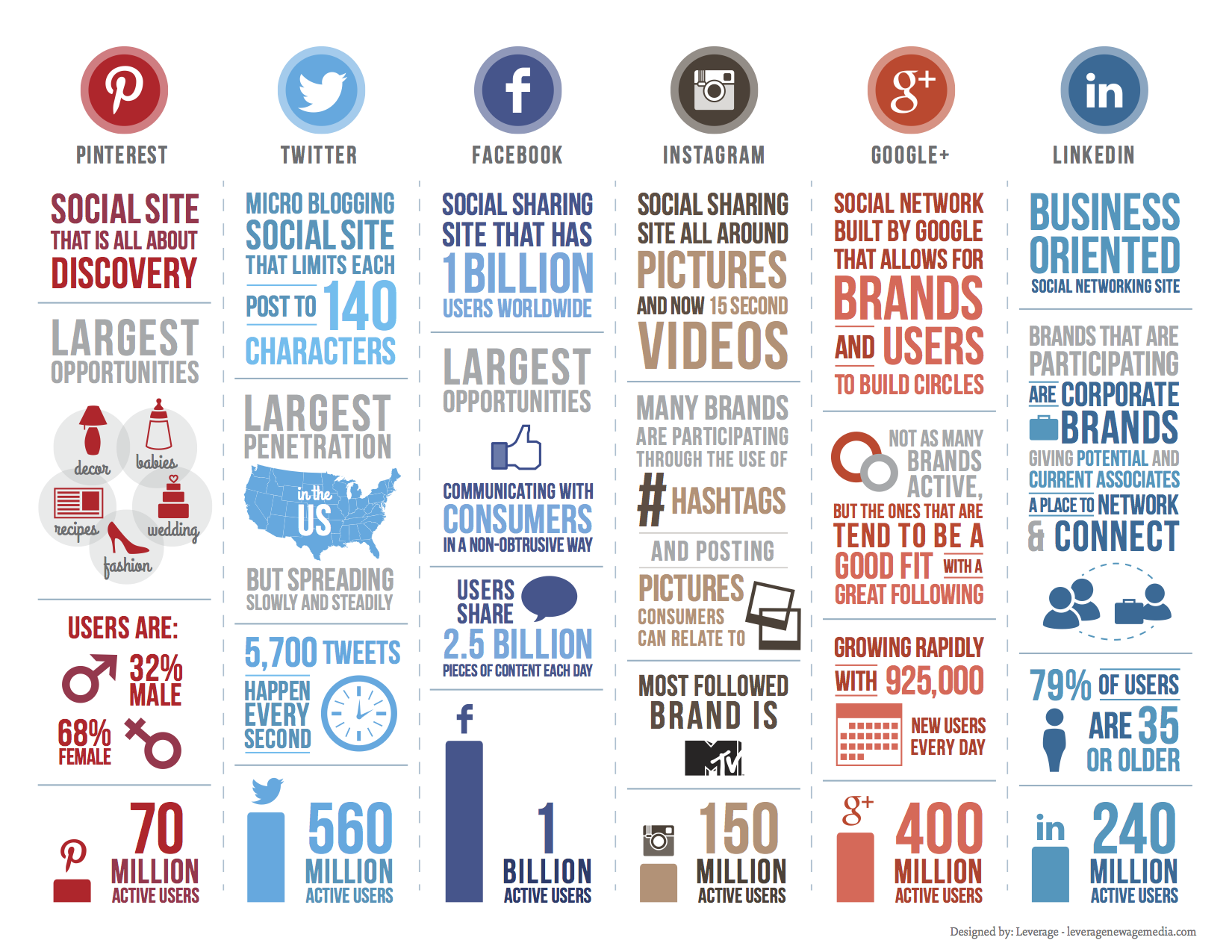
What are your thoughts on social media? Are there sites that you use more often and why? Are there some sites you haven’t yet got to grips with? Share your ideas. I’ll leave you with some interesting stats:

social-media-networks

Blogging for Readers

photo 1

Last week’s post was on blogging for writers and I promised a post this week on blogging for readers. They deserve two separate posts in order to do them both justice. I post a few reviews, in amongst author interviews and I discuss different aspects of writing. Book bloggers do a wonderful job of reviewing and sharing books. I have bought several books based on the recommendations of bloggers whose opinions I trust. Some bloggers share books in one genre, be it crime, historical romance, literary fiction, young adult or science fiction, others read and review a vast range of books in one blog. In a previous post I shared a list of bloggers who I follow and whose posts are varied and informative.

So, what do you write and how?

I don’t want to be formulaic because the joy of different blogs lies in their individuality and their unique voice and layout. But the key points are important:

Book Cover

Ask the author or publisher for a high resolution image of the book, and make sure that it is clear and not too large or small for the post. Thumbnails can get lost in amongst your words but a billboard sized image can overtake the review.

Book Information

Include the ISBN number, publication date and publisher information to make it easy for people to locate the book. The genre of the book can also be a helpful indication for the reader. If a reader really enjoys, or doesn’t enjoy, a particular genre, it can help them to make a quick decision about whether to read your review or buy the book.

Synopsis

This is a crucial part of the review and, if you don’t want to include a whole synopsis, at least give a snapshot of the book to frame it for the reader. You probably wouldn’t see a film or a play unless you had a rough idea of the plot or the style, especially if you haven’t previously heard anything about it. Most people go on recommendations before they watch or read anything new, and your introduction can make or break their decision to read a book. Either take the full review or give an outline, and preferably before you give your candid opinion.

Your review

This is the meat of the post. It is your take on the book, your view of the style, the language and the story. Be honest, but it is best to avoid scathing comments. Some bloggers are asked by agents or publishers to review books, and others pick up books to review themselves. If you have been asked to review a book that you don’t connect with, be honest about what didn’t work and try to find the positives. If you really enjoyed the book your enthusiasm will be clear, and hopefully it will encourage others to pick up the book. Try to look at different aspects: the characters, their interaction with each other and the situations in which they are placed, the pace and style, the plot with it’s twists and turns, or the descriptive prose. Have fun and let your journalist’s hat run free.

Other reviews

Has the book been reviewed by the national press or magazines? Are there reviews by other well-known authors? These are worth sharing as they give the reader a better idea of the substance of the book. Quote from other reviews or from the press release. Most books have these quotes on Amazon, which will make them easier to find.

Author info

Does the author have credits or other publications? It is always interesting, although not essential, to gain some background knowledge on the person behind the cover. Do they enjoy travel? Do they have a PhD in an unusual subject? Have they previously been involved in an interesting job? Part of the reason why people enjoy author interviews is because we are all essentially curious (nosey) and it is intriguing to find out about the author or their reasons for writing the book. If readers enjoy the book, they will want to know where to find other material by the writer. Some readers find novels through reading short stories that they enjoy and then searching for books by the same author, and sometimes it works the other way around.

Contact info

This is helpful but not essential. In an age of what I would call ‘the social media explosion,’ many authors have blogs and websites and are on twitter, Facebook, Pinterest or any of the other social media sites. Readers like to connect with authors. Some authors are fiercely private, and little can be found out about them or their lives and writing, but most will at least have a website. Many author websites will have widgets which take you to their other sites.

Can you recommend any good book blogs? Do you review books? How has it helped you to find what you are looking for or, perhaps, surprise you with something new?