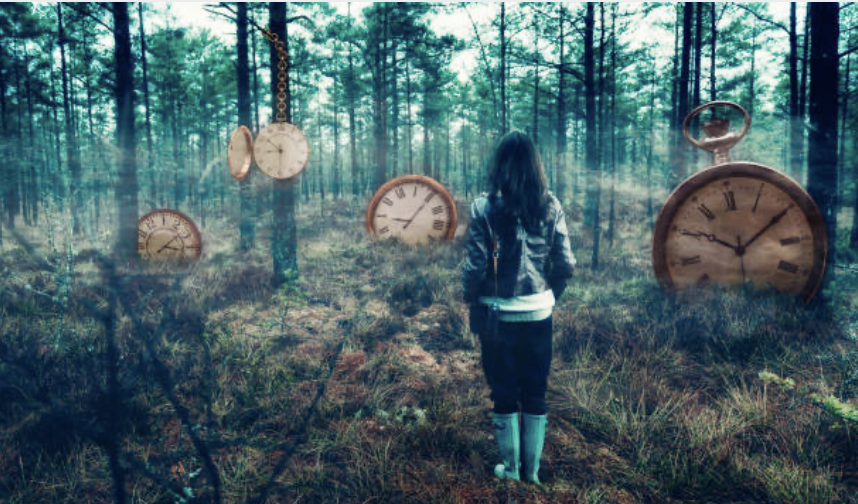
Using Photographs as Writing Prompts for Short Fiction

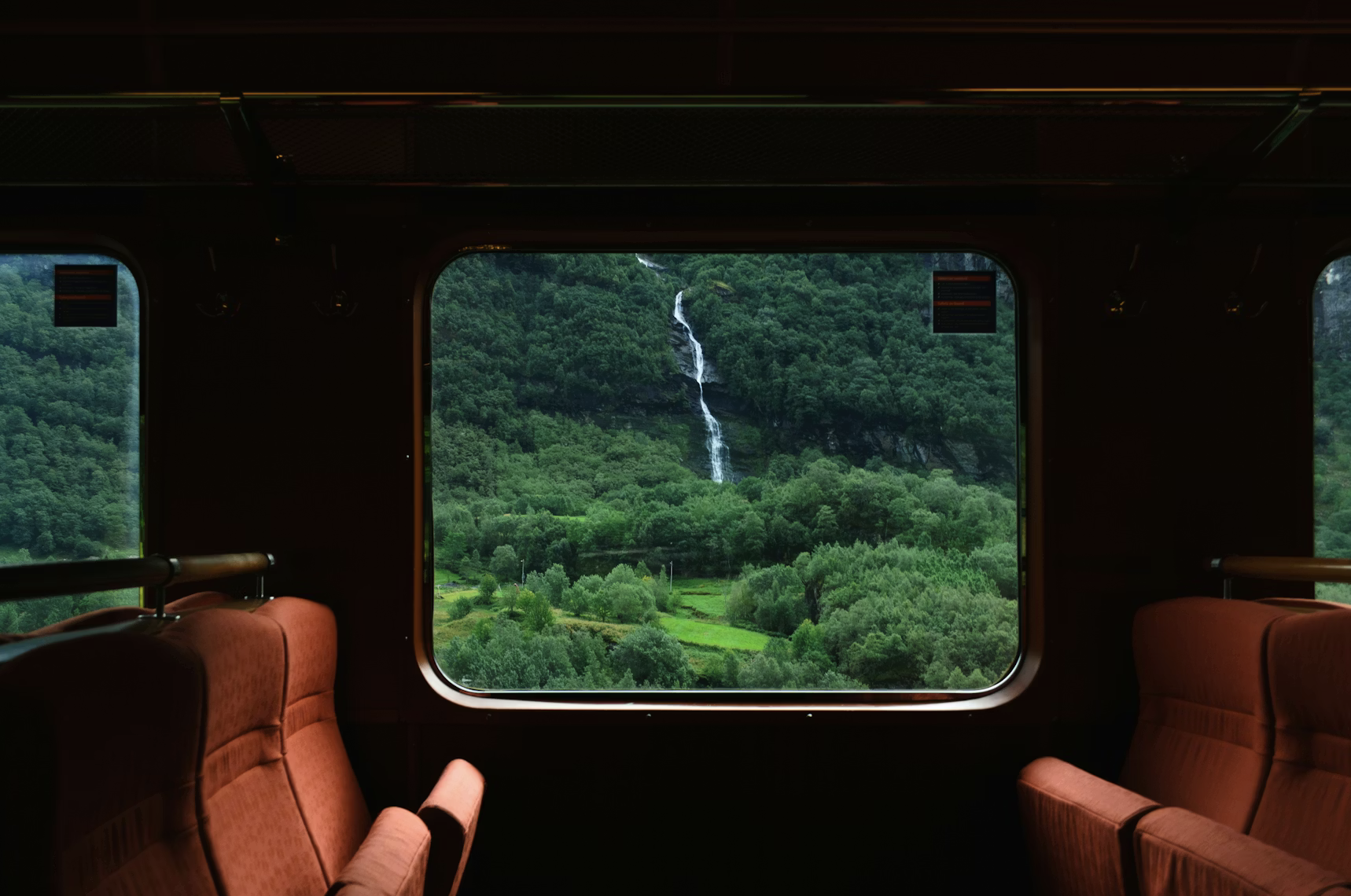
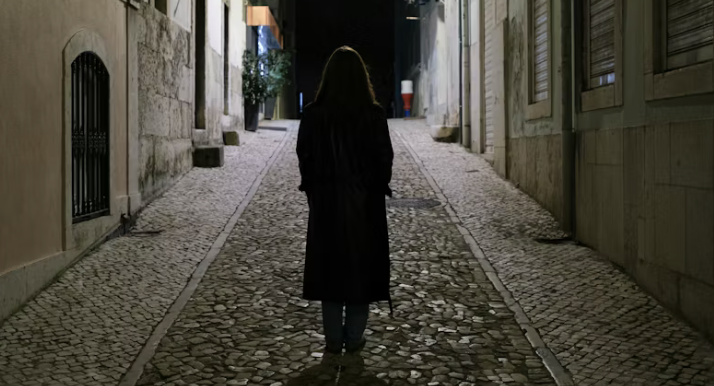
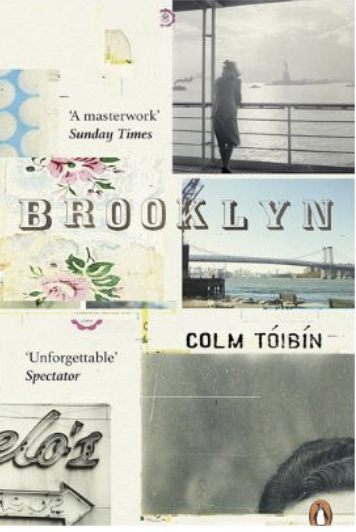
Lots of people ask me where I get my ideas from when writing fiction. The answer remains elusive. As a photographer, I find much inspiration from snippets of every day life that are captured in photographs. Scenes from life, interactions, a moment in time. These all form the seeds of an idea.

I find black and white images particularly striking. Ted Grant famously said, “When you photograph people in color, you photograph their clothes. But when you photograph people in Black and white, you photograph their souls!”

I use Pinterest to collect and find ideas. You can read about it in this post. I’ve gathered together a few of my favourite recent photographs from other photographers into a board of writing prompts. You can see a few of them below, but go to the board for the full range.

All photo credits: Unsplash (see my Pinterest Board for individual photographers)

There is something about a visual stimulus which can spark an idea. It also makes the writing process less daunting, particularly if you’re struggling with writer’s block.

Do you use images for inspiration in art or writing? Let me know in the comments. If you find inspiration from any of these writing prompts, I’d love to hear from you.

Celebrating 100,000 Blog Views with Writers and their Creative Spaces

To celebrate reaching a blogging milestone of over 100,000, I thought I’d share more of what you’ve enjoyed recently. One of my most viewed posts over the past month has been Writers and Their Creative Spaces. So, here are some of the creative spaces of other writers.

Hemingway’s writing space at his home in Florida Keys. He wrote whilst on his boat or at his Key West home. Here, he wrote The Old Man and the Sea.

In celebration of hitting a blogging milestone of over 100,000 views

Michael Pollan built this small writing hut in the woods by his house in Connecticut. Pollan was inspired by French writer, Gaston Bachelard, who wrote in The Poetics Of Space, ‘I should say: the house shelters day-dreaming, the house protects the dreamer, the house allows one to dream in peace.’

“The house shelters day-dreaming, the house protects the dreamer, the house allows one to dream in peace.”

Neil Gaiman built a gazebo almost 30 years ago in his garden. He says, “I can look out of the window and some wildlife will occasionally look back…There are heaters down there, because it gets cold here in winter, and blankets on the chairs, ditto, and I have to try and remember not to leave bottles of ink on the table as they freeze. It’s just out of reach of the house Wifi, too, which is a good thing.”

It’s just out of reach of the house Wifi, too, which is a good thing.

Roald Dahl wrote in a shed in Buckinghamshire, which he called his Gipsy House. Everything was within reach of his chair, according to illustrator, Quentin Blake. He also wrote with his favourite pencils on yellow paper.

Inspired by Dylan Thomas, who found writing at home difficult with young children, Dahl built his Gipsy House – a sanctuary, somewhere where he could work without any interruptions.

A sanctuary, somewhere where he could work without any interruptions.

Explore My Poetry and Short Story Readings on SoundCloud

Love stories and poems, but want to listen to them in the voice of the author? Why not try listening on SoundCloud? Some of my stories and poems have been uploaded to SoundCloud for you to listen to.

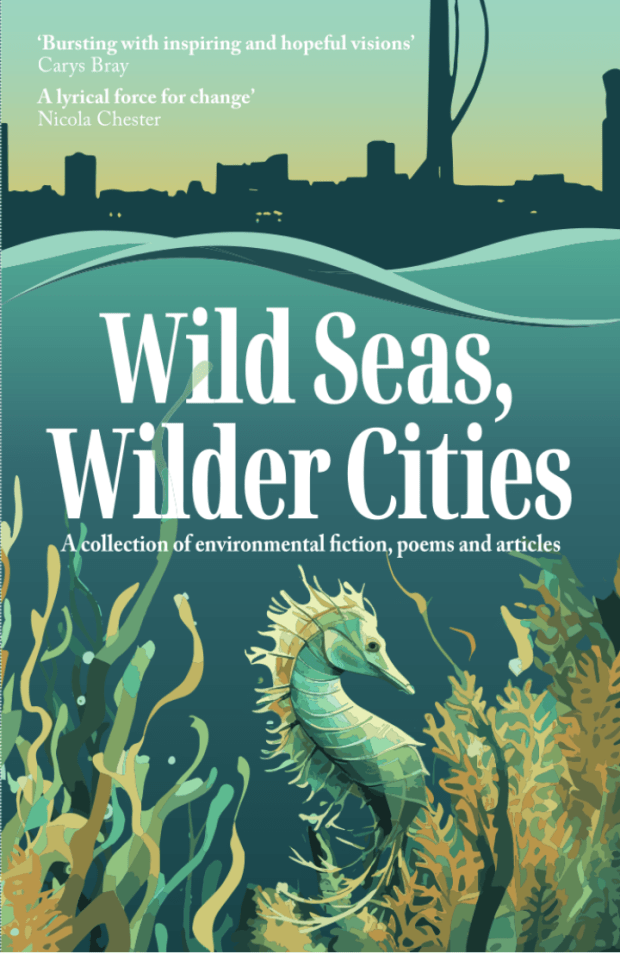
I’ve added some readings of my more recent stories and poems. Some were published in my second collection, A Place of Unfinished Sentences, and others have been published in various literary journals online and in print, as well as a poem published in an anthology, Wild Seas, Wilder Cities with Pens of the Earth and Pigeon Press.

Exploring the Beauty of Suffolk’s Ickworth Estate in Autumn

Autumn is a wonderful time to explore the Ickworth Estate, nestled into the Suffolk countryside, and a stone’s throw from Bury St Edmunds. Its history can be traced back to 1086, when the Domesday Book records a small settlement of 16 households, owned by the Abbey of Bury St Edmunds. It was originally managed as a working estate, and from the 1700s, it became home to the Hervey family, who built Ickworth House to display works of art, including paintings by Titian and Gainsborough.

For the past seventy years, the Estate has been managed by the National Trust. The gardens are stunning and beautifully leafy, with trees including Redwood, Oak, Ash, Yew and Fir. In 1910, Lady Theodora Hervey renovated the Rotunda with electric lights, hot water boilers and new bathrooms, to improve the living conditions of the servants.

I discovered the wonderful writing bureau in the servant’s quarters. The downstairs quarters are laid out as they would have been in the 1930s. The hall is full of games – card games, bagatelle and tiddlywinks, as well as a piano and a spread of papers. The entrance upstairs includes a temporary aerial display of letters which the family wrote as correspondence to each other whilst on their travels.

Unlocking Creativity: The Power of Daily Writing

I often get asked by new and aspiring writers how to begin and where to find ideas. The first thing I want to say is that no two writers are the same, nor do they work the in same way. The next, and probably the most important thing I would say, is that consistency is key. The more regularly you write, and the more often, the better you will become.

“No two writers are the same…consistency is key.”

Nothing is wasted. Even if there are days where you write paragraphs that won’t be read or printed, you will still learn from the process. It’s like muscle memory, but for the brain. Creating new narratives engages your brain in new ways and it also helps to form fresh neural pathways and connections, sharpening your mind.

Writing also physically changes the brain, improving memory and critical thinking. It activates multiple ares of the brain and increases levels of self-awareness, as well as enhancing well-being. Handwriting has more benefits than typing, but I do both. I find it helpful to journal ideas, but I type up my work when I get going.

“I find it helpful to journal ideas, but I type up my work when I get going.”

Start small and build up. Try writing 100 words over a coffee before you begin the day. Some writers get up early and write for an hour, but it’s different for everyone. Check out the 5am Writer’s Club and the Twitter hashtag #5amWritersClub

Build up slowly and keep it consistent. Aim for once a day or set aside a few days a week where you have a slot to write without distractions. Switch everything off, especially your phone. Go for a walk first if you can, or if you need a break between writing stints. The motion of walking can clear any mental clutter in your mind, helping you to focus on new ideas. The increased blood flow to the brain also boosts creativity and cognitive function.

“The actual motion of walking can clear any mental clutter in your mind, helping you to focus on new ideas.”

Use images to help with inspiration. I’ve written a blog post on creating Pinterest boards for writing inspiration, but you can use a photograph, a postcard or read some poetry or short stories to get you started. Sometimes, you just need an idea, a scene, or a snippet of conversation, or a line of poetry to begin.

I’d love to know how you get on. Leave a message in the comments, and feel free to ask any questions.